


Parametry
- 370 stron
- 13 godzin czytania
Więcej o książce
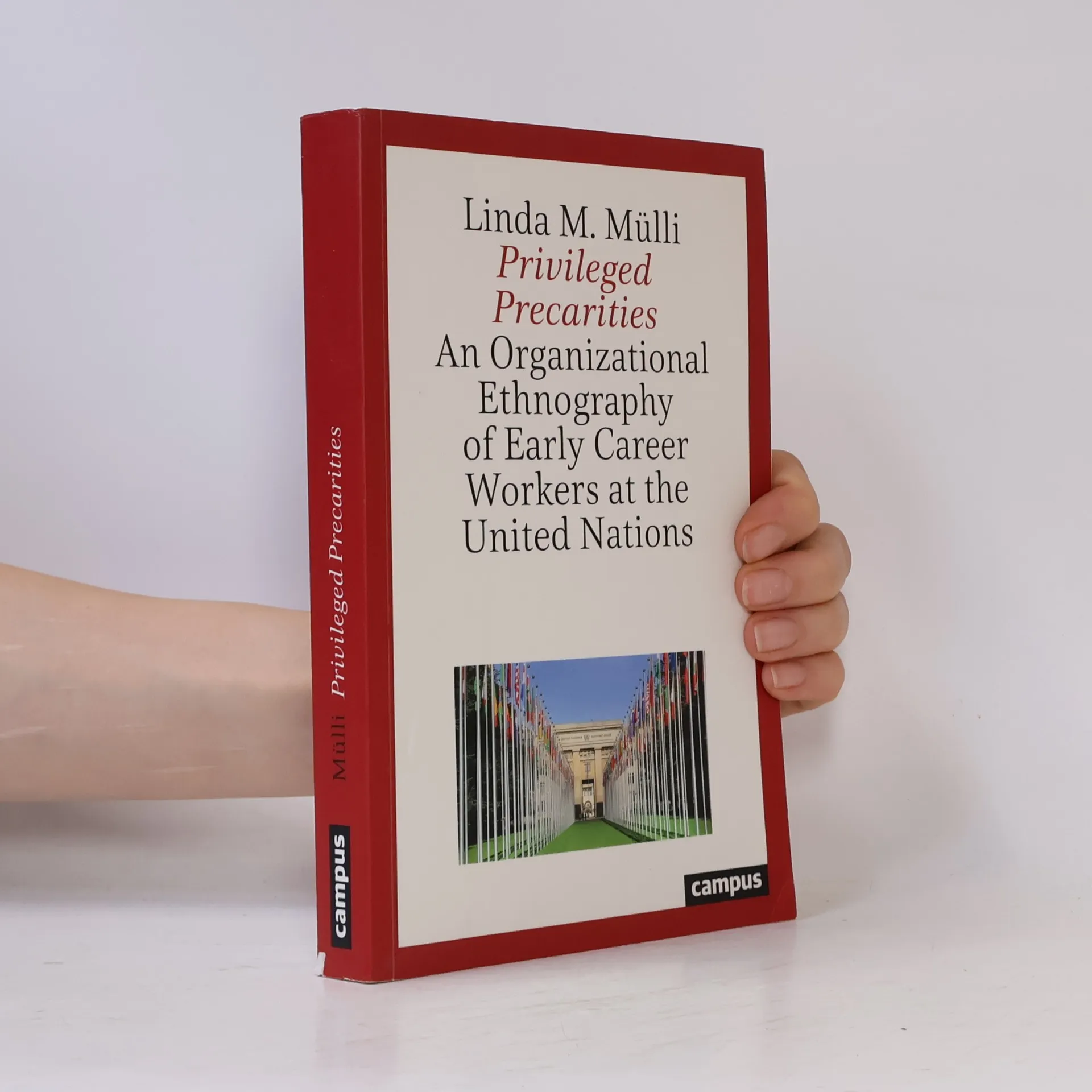
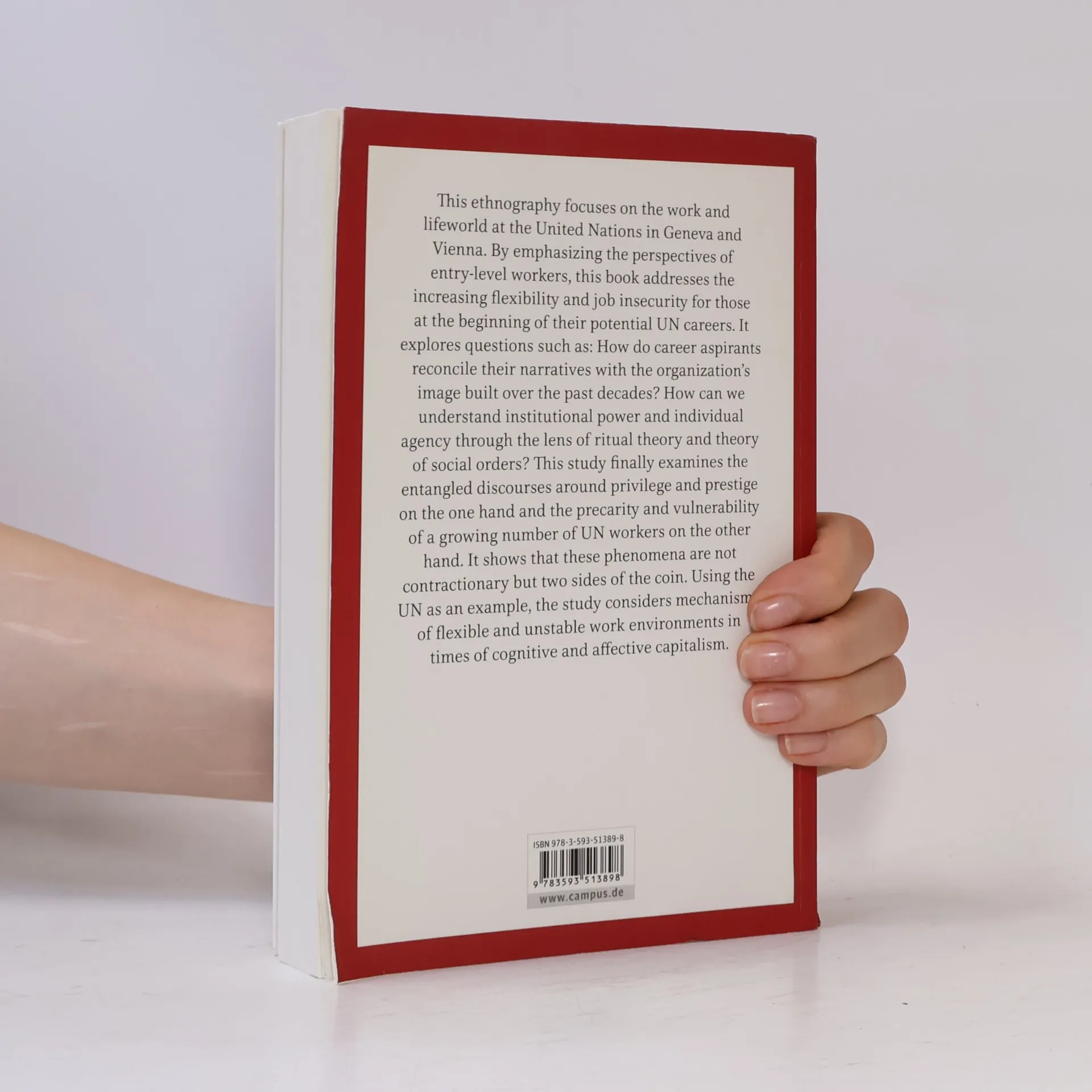
An ethnography on early-career workers facing job insecurity at the United Nations. This ethnography focuses on the work and lifeworld at the United Nations in Geneva and Vienna. By emphasizing the perspectives of entry-level workers, this book addresses the increasing flexibility and job insecurity for those at the beginning of their potential UN careers. It explores questions such as: How do career aspirants reconcile their narratives with the organization's image built over the past decades? How can we understand institutional power and individual agency through the lens of ritual theory and the theory of social orders? This study finally examines the entangled discourses around privilege and prestige on the one hand and the precarity and vulnerability of a growing number of UN workers on the other hand. It shows that these phenomena are not contractionary but two sides of the coin. Using the UN as an example, the study considers mechanisms of flexible and unstable work environments in times of cognitive and affective capitalism.
Zakup książki
Privileged Precarities, Linda Martina Mülli
- Język

- Rok wydania
- 2021
- Oprawa
- (miękka),
- Stan książki
- Dobry
- Cena
- 56,84 zł
Metody płatności
Nikt jeszcze nie ocenił.
- Tytuł
- Privileged Precarities
- Podtytuł
- An Organizational Ethnography of Early Career Workers at the United Nations
- Język
- angielski
- Autorzy
- Linda Martina Mülli
- Wydawca
- Campus-Verl.
- Rok wydania
- 2021
- Oprawa
- miękka
- Liczba stron
- 370
- ISBN10
- 3593513897
- ISBN13
- 9783593513898
- Seria
- Kategorie
- Tagi
- Polityka, Teorie polityczne, Antyki, Etnologia, Kultura korporacyjna, Klasy społeczne, Prekarizacja
- Opis
- An ethnography on early-career workers facing job insecurity at the United Nations. This ethnography focuses on the work and lifeworld at the United Nations in Geneva and Vienna. By emphasizing the perspectives of entry-level workers, this book addresses the increasing flexibility and job insecurity for those at the beginning of their potential UN careers. It explores questions such as: How do career aspirants reconcile their narratives with the organization's image built over the past decades? How can we understand institutional power and individual agency through the lens of ritual theory and the theory of social orders? This study finally examines the entangled discourses around privilege and prestige on the one hand and the precarity and vulnerability of a growing number of UN workers on the other hand. It shows that these phenomena are not contractionary but two sides of the coin. Using the UN as an example, the study considers mechanisms of flexible and unstable work environments in times of cognitive and affective capitalism.