

Parametry
- 192 strony
- 7 godzin czytania
Więcej o książce
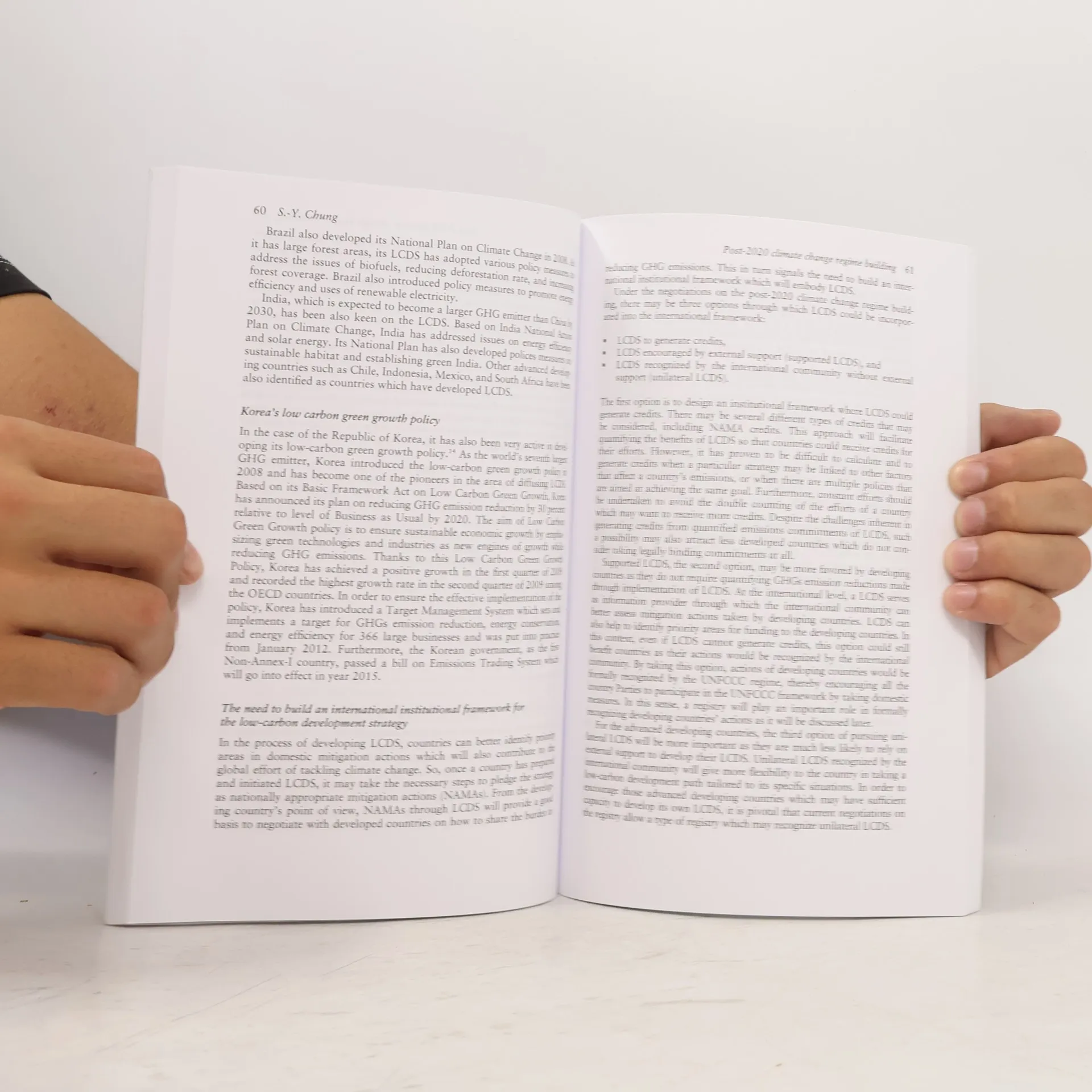
The fate of the climate change regime hangs in the balance as the UN-led negotiations try to forge a new international strategy for the post-2020 period. Since 1992, the UNFCCC and its Kyoto Protocol has been the primary legal instrument to respond to the climate challenge. However, the intergovernmental process has been riddled with problems that have rendered it ineffective. The changing economic landscape has further made this country grouping problematic as some developing countries now emit more than some of their advanced counterparts. Such problems have crippled the existing regime in adequately addressing climate change. Building upon the expertise of the contributors of this volume, this ground-breaking collection aims to show the way forward for the intergovernmental process. It is the first of its kind to explore the key features of the regime, featuring meticulously researched pieces from leading experts in the field. Each chapter responds to the questions surrounding the political and structural limitations of the current top-down approach taken in climate negotiations and proposes various alternatives countries can take to overcome such limitations in the process of building the post-2020 climate change regime. In particular, this collection underscores the concept of low-carbon development and green growth to make the climate change regime more effective.
Zakup książki
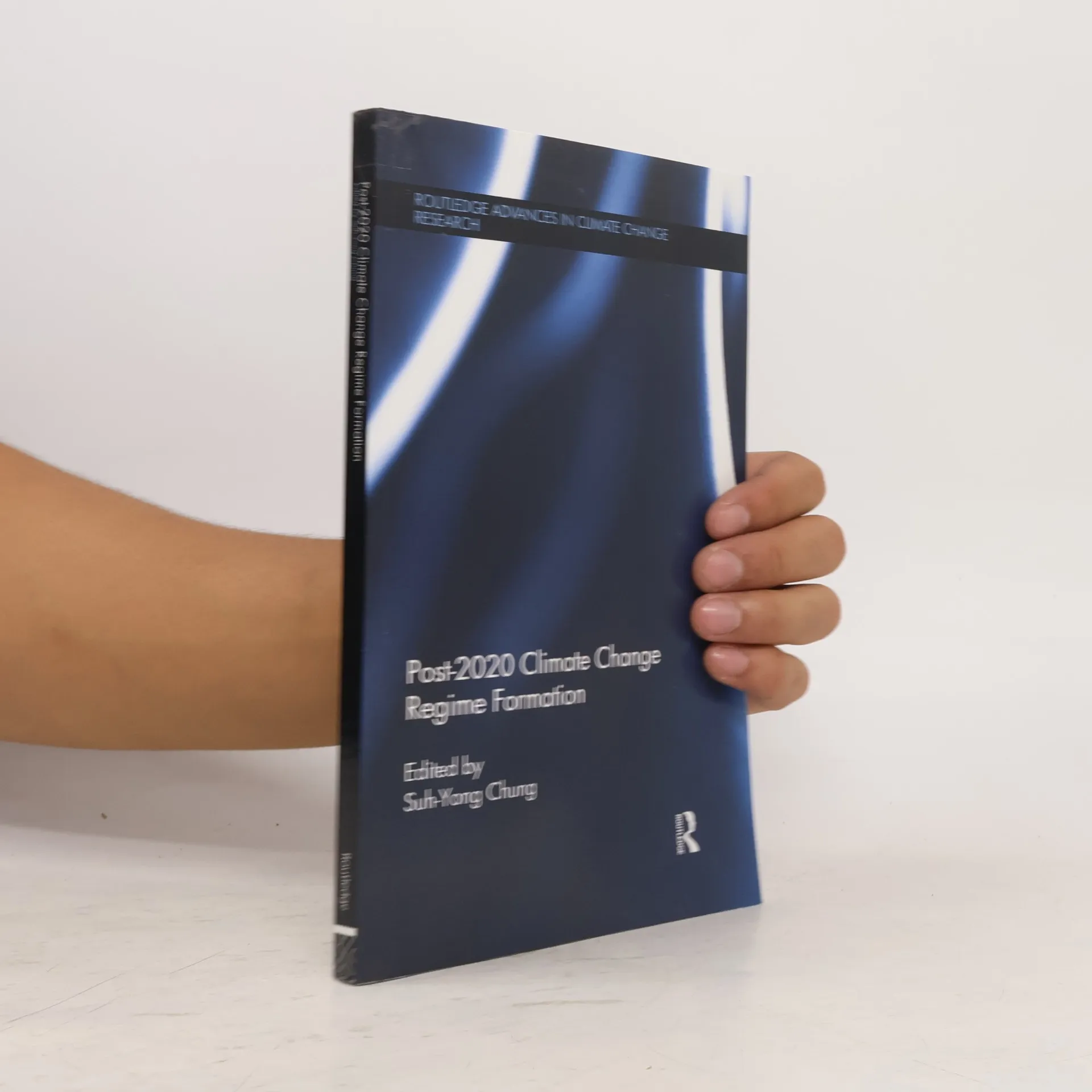
Routledge Advances in Climate Change Research: Post-2020 Climate Change Regime Formation, Suh-Wong Chung
- Język

- Rok wydania
- 2015
- Oprawa
- (miękka),
- Stan książki
- Bardzo dobry
- Cena
- 28,50 zł
Metody płatności
Nikt jeszcze nie ocenił.
- Tytuł
- Routledge Advances in Climate Change Research: Post-2020 Climate Change Regime Formation
- Język
- angielski
- Autorzy
- Suh-Wong Chung
- Wydawca
- Routledge
- Rok wydania
- 2015
- Oprawa
- miękka
- Liczba stron
- 192
- ISBN10
- 113892685X
- ISBN13
- 9781138926851
- Seria
- Tagi
- Opis
- The fate of the climate change regime hangs in the balance as the UN-led negotiations try to forge a new international strategy for the post-2020 period. Since 1992, the UNFCCC and its Kyoto Protocol has been the primary legal instrument to respond to the climate challenge. However, the intergovernmental process has been riddled with problems that have rendered it ineffective. The changing economic landscape has further made this country grouping problematic as some developing countries now emit more than some of their advanced counterparts. Such problems have crippled the existing regime in adequately addressing climate change. Building upon the expertise of the contributors of this volume, this ground-breaking collection aims to show the way forward for the intergovernmental process. It is the first of its kind to explore the key features of the regime, featuring meticulously researched pieces from leading experts in the field. Each chapter responds to the questions surrounding the political and structural limitations of the current top-down approach taken in climate negotiations and proposes various alternatives countries can take to overcome such limitations in the process of building the post-2020 climate change regime. In particular, this collection underscores the concept of low-carbon development and green growth to make the climate change regime more effective.