

Parametry
- 248 stron
- 9 godzin czytania
Więcej o książce
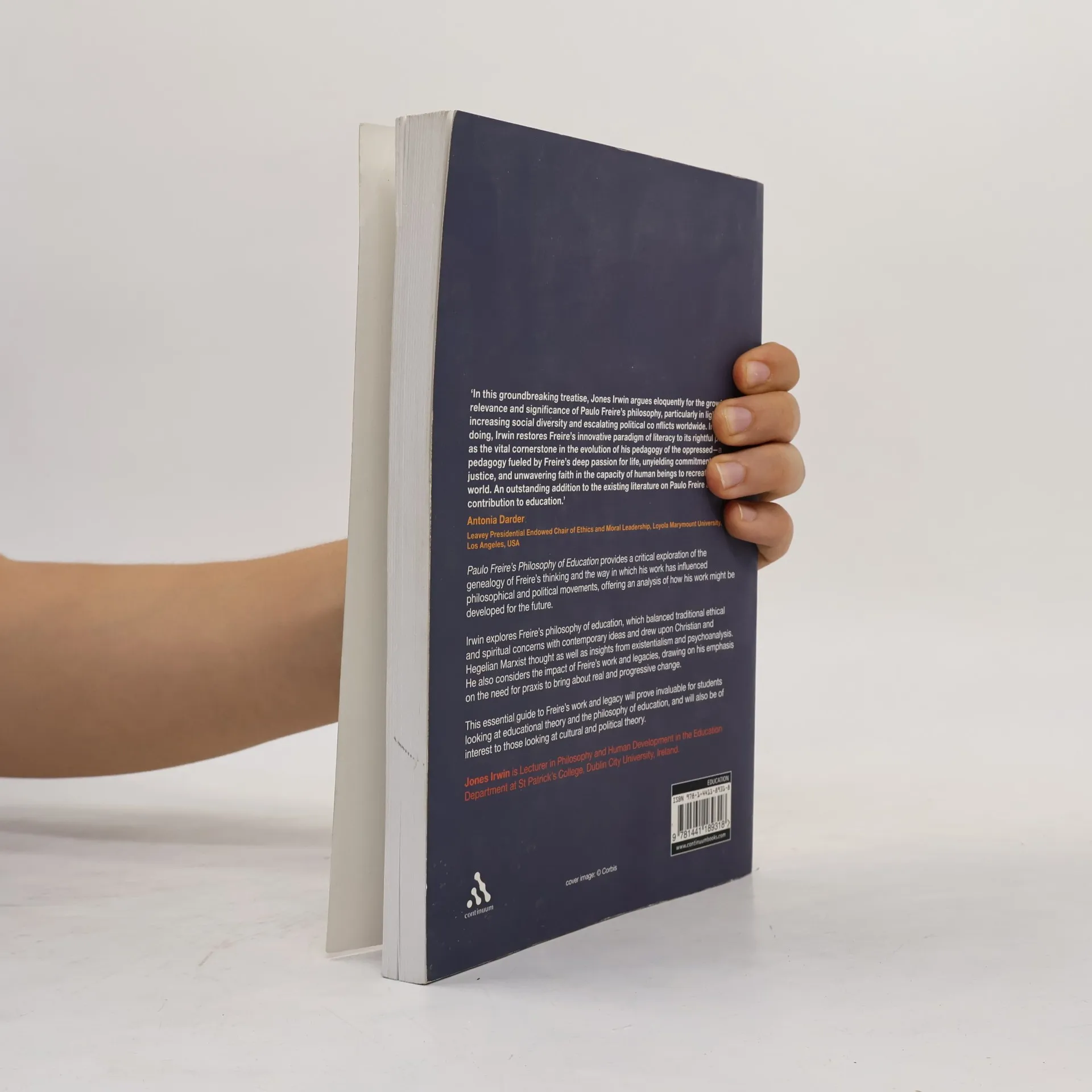
A critical exploration of the genealogy of Freire's thinking and the ways in which Freire's seminal work has influenced philosophical and political movements, offering an analysis of how this work might be developed for the future. Irwin explores Freire's philosophy of education, which balanced traditional ethical and spiritual concerns with contemporary ideas and drew upon Christian and Hegelian-Marxist political thought and insights from existentialism and psychoanalysis. The impact of Freire's work and legacies are considered, drawing from his emphasis on the need for praxis to bring about real and progressive change, with special reference to his work in Brazil and his Third Worldist discourses.This essential guide to Freire's work and legacy will prove invaluable for postgraduate students looking at educational theory and the philosophy of education. It will also be of interest to postgraduate students looking at cultural and political theory.
Zakup książki
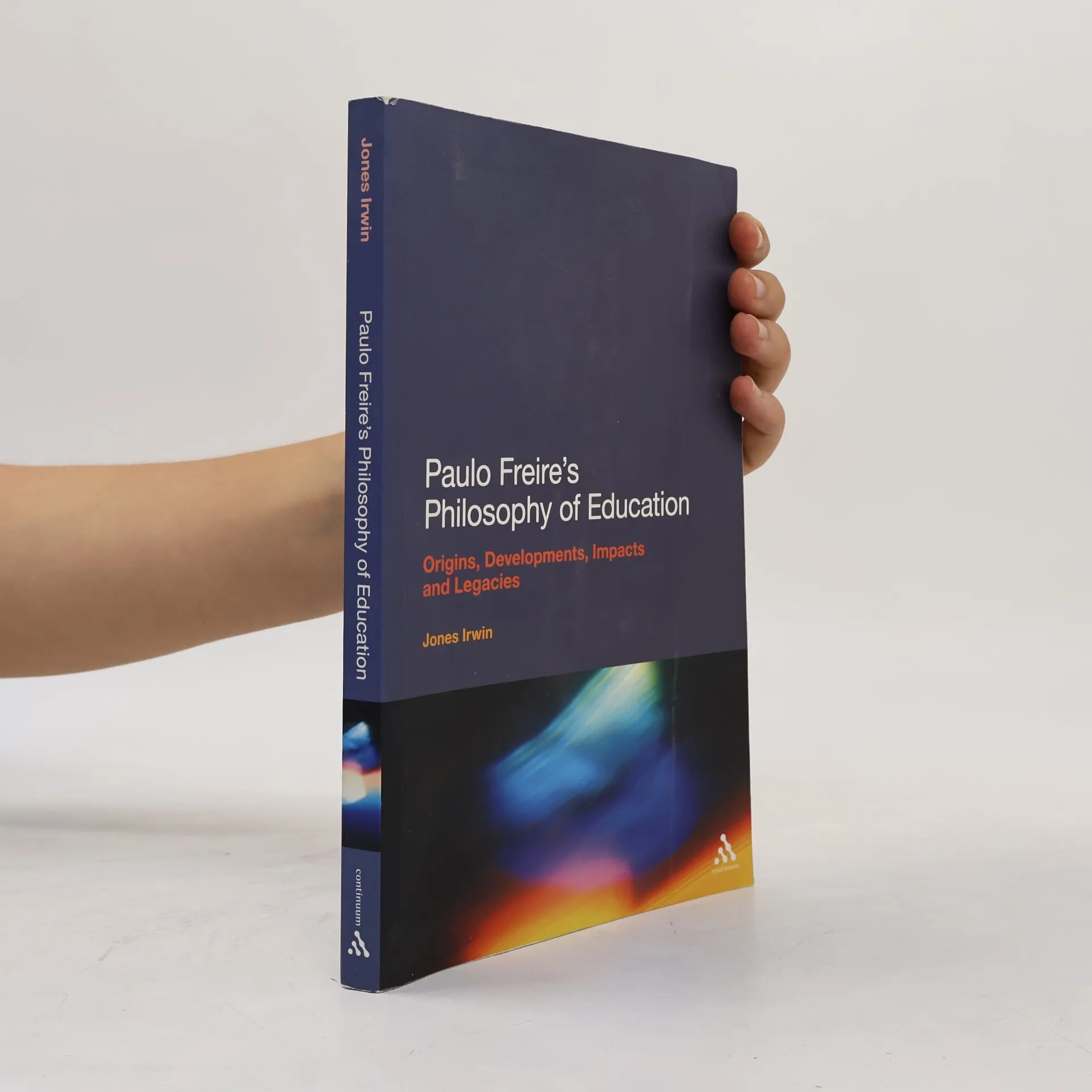
Paulo Freire's Philosophy of Education, Jones Irwin
- Język

- Rok wydania
- 2012
- Oprawa
- (miękka),
- Stan książki
- Bardzo dobry
- Cena
- 19,43 zł
Metody płatności
Nikt jeszcze nie ocenił.
- Tytuł
- Paulo Freire's Philosophy of Education
- Podtytuł
- Origins, Developments, Impacts and Legacies
- Język
- angielski
- Autorzy
- Jones Irwin
- Wydawca
- Continuum
- Rok wydania
- 2012
- Oprawa
- miękka
- Liczba stron
- 248
- ISBN10
- 1441189319
- ISBN13
- 9781441189318
- Seria
- Opis
- A critical exploration of the genealogy of Freire's thinking and the ways in which Freire's seminal work has influenced philosophical and political movements, offering an analysis of how this work might be developed for the future. Irwin explores Freire's philosophy of education, which balanced traditional ethical and spiritual concerns with contemporary ideas and drew upon Christian and Hegelian-Marxist political thought and insights from existentialism and psychoanalysis. The impact of Freire's work and legacies are considered, drawing from his emphasis on the need for praxis to bring about real and progressive change, with special reference to his work in Brazil and his Third Worldist discourses.This essential guide to Freire's work and legacy will prove invaluable for postgraduate students looking at educational theory and the philosophy of education. It will also be of interest to postgraduate students looking at cultural and political theory.