

Więcej o książce
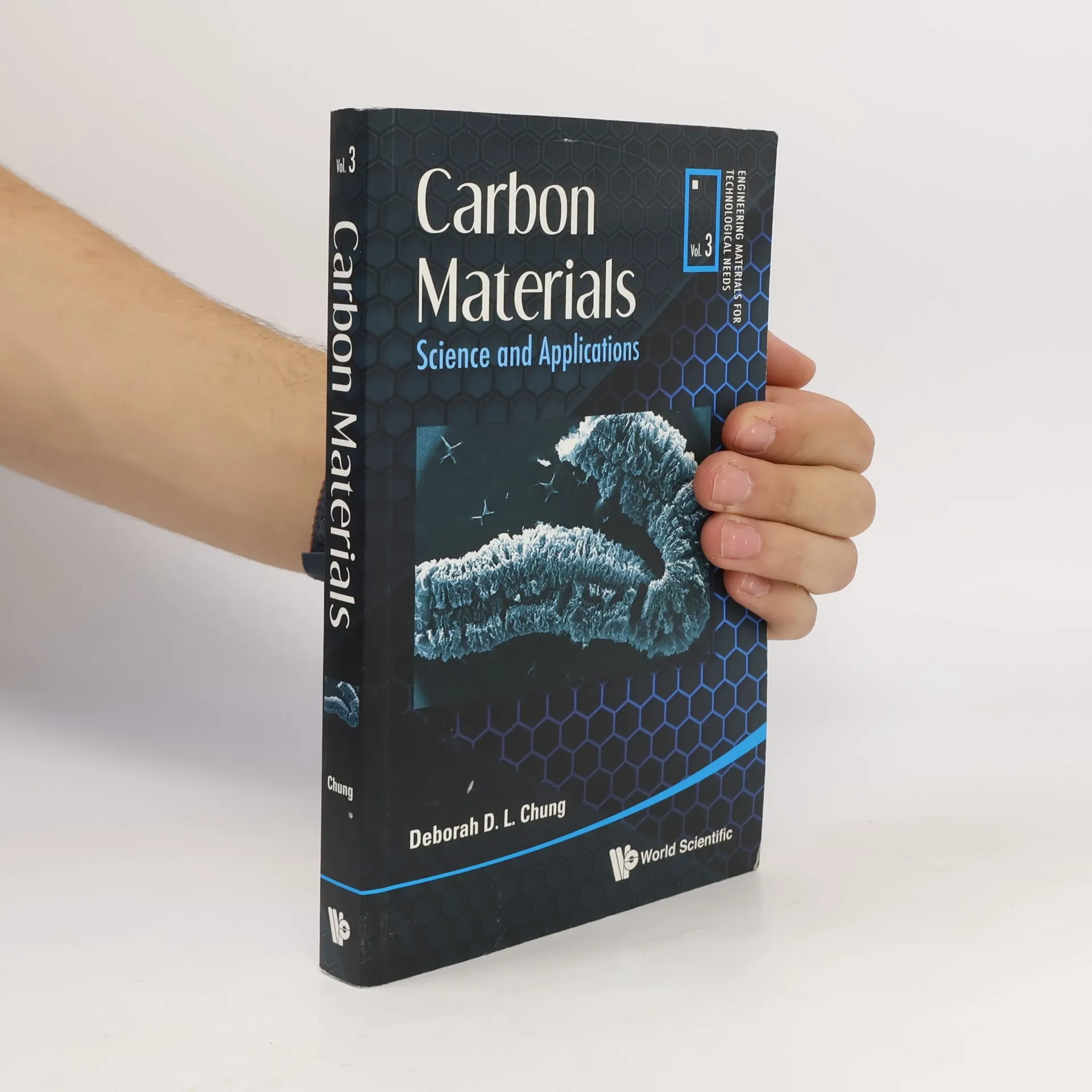
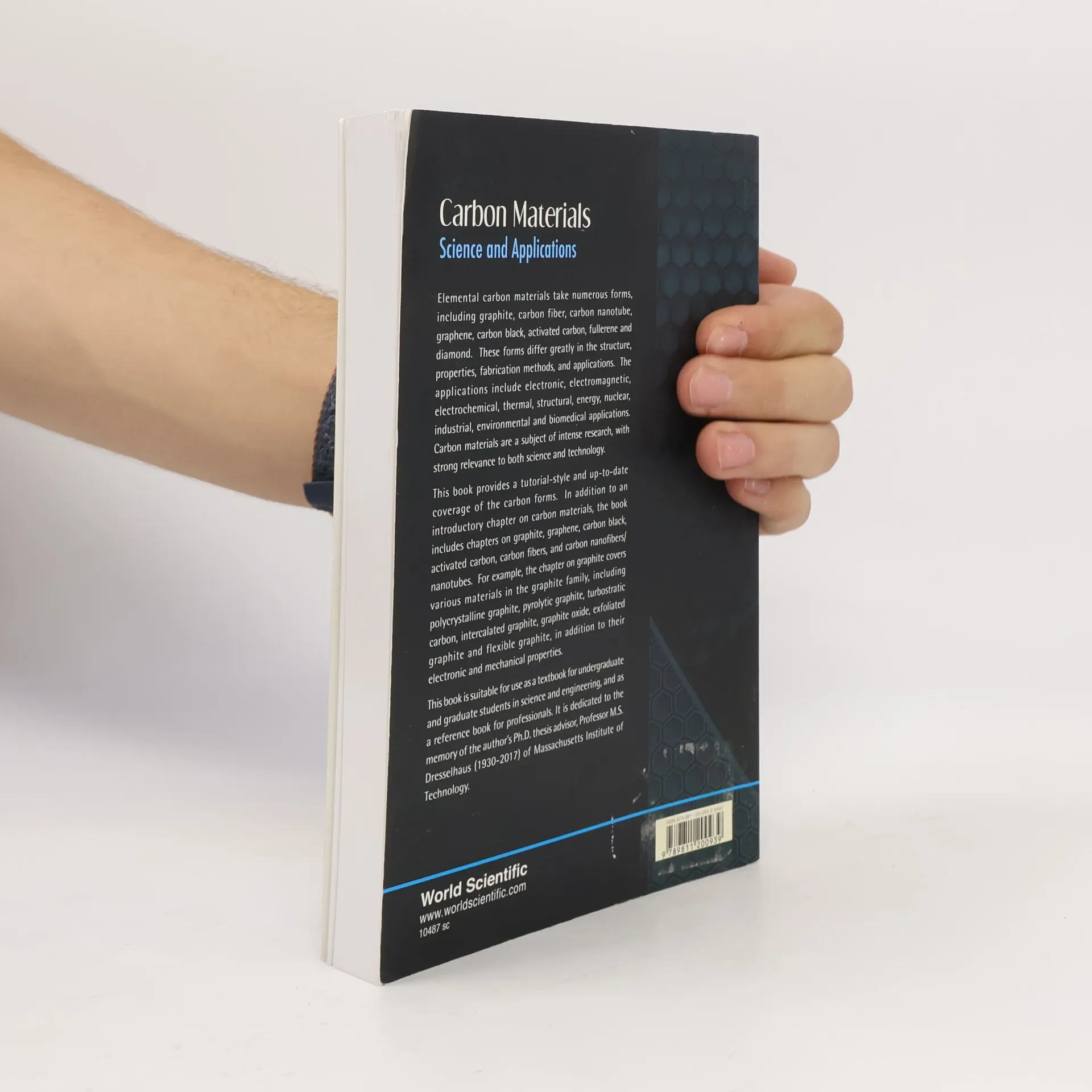
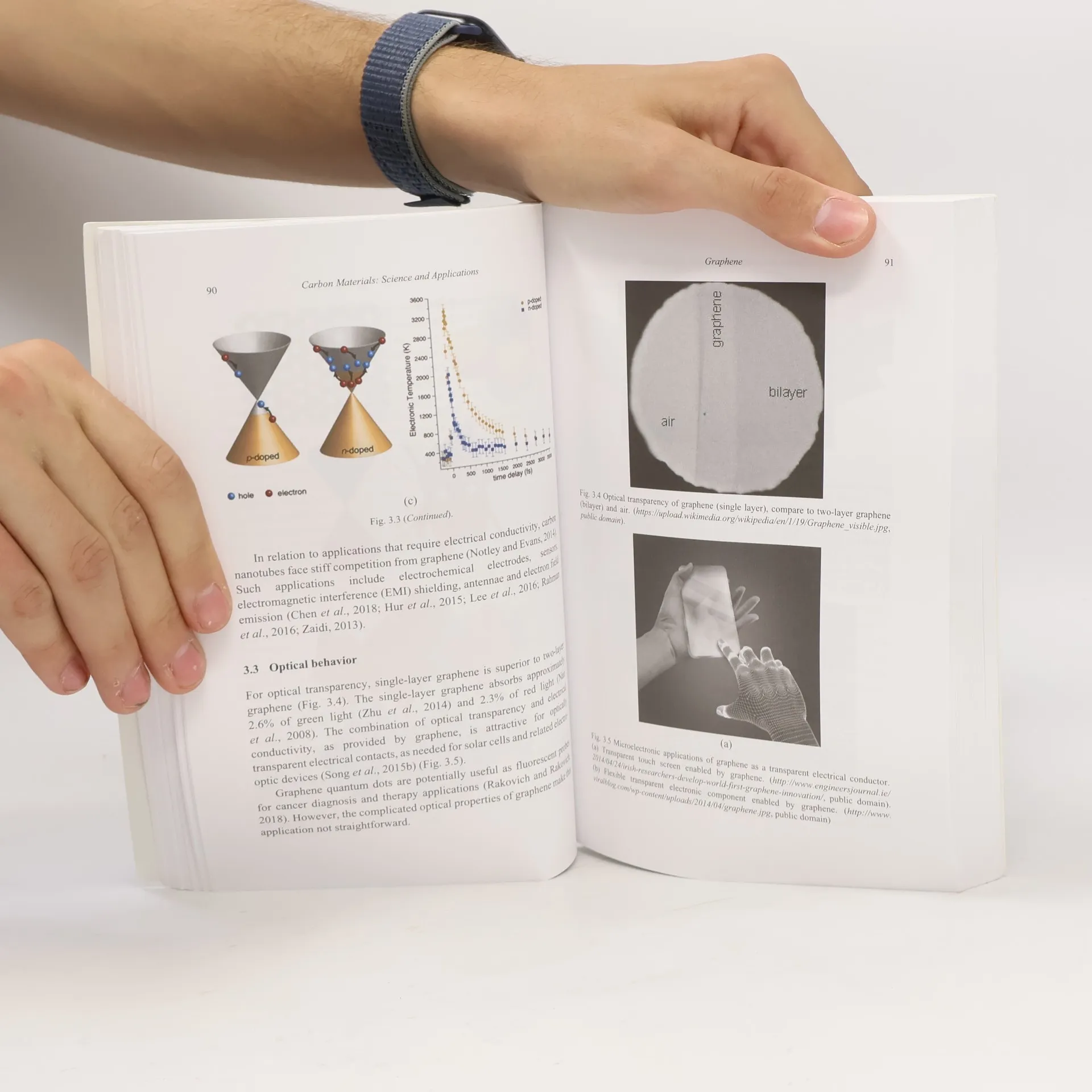
Elemental carbon materials take numerous forms including graphite, carbon fiber, carbon nanotube, graphene, carbon black, activated carbon, fullerene and diamond. These forms differ greatly in the structure, properties, fabrication method, and applications. The applications of these carbon forms include electronic, electromagnetic, electrochemical, environmental and biomedical applications. Carbon materials are a subject of intense research, with strong relevance to both science and technology. This book provides a tutorial-style and up-to-date coverage of the carbon forms. In addition to an introductory chapter on carbon materials, the book includes chapters on graphite, graphene, carbon black, activated carbon, carbon fibers, and carbon nanofibers/nanotubes. For example, the chapter on graphite covers various materials in the graphite family, including polycrystalline graphite, pyrolytic graphite, turbostratic carbon, intercalated graphite, graphite oxide, exfoliated graphite and flexible graphite, in addition to their electronic and mechanical properties. This book is suitable for use as a textbook for undergraduate and graduate students in science and engineering, and as a reference book for professionals. It is dedicated to the memory of the author's PhD thesis advisor, Professor M S Dresselhaus (1930-2017) of Massachusetts Institute of Technology.
Zakup książki
Engineering Materials for Technological Needs - 3: Carbon Materials, Deborah D. L. Chung
- Język

- Rok wydania
- 2019
- Oprawa
- (miękka),
- Stan książki
- Dobry
- Cena
- 82,29 zł
Metody płatności
Nikt jeszcze nie ocenił.
- Tytuł
- Engineering Materials for Technological Needs - 3: Carbon Materials
- Podtytuł
- Science and Applications
- Język
- angielski
- Autorzy
- Deborah D. L. Chung
- Wydawca
- World Scientific
- Rok wydania
- 2019
- Oprawa
- miękka
- Liczba stron
- 384
- ISBN10
- 9811200939
- ISBN13
- 9789811200939
- Seria
- Tagi
- Nauki przyrodnicze, Nauka, Technologia, Azja
- Opis
- Elemental carbon materials take numerous forms including graphite, carbon fiber, carbon nanotube, graphene, carbon black, activated carbon, fullerene and diamond. These forms differ greatly in the structure, properties, fabrication method, and applications. The applications of these carbon forms include electronic, electromagnetic, electrochemical, environmental and biomedical applications. Carbon materials are a subject of intense research, with strong relevance to both science and technology. This book provides a tutorial-style and up-to-date coverage of the carbon forms. In addition to an introductory chapter on carbon materials, the book includes chapters on graphite, graphene, carbon black, activated carbon, carbon fibers, and carbon nanofibers/nanotubes. For example, the chapter on graphite covers various materials in the graphite family, including polycrystalline graphite, pyrolytic graphite, turbostratic carbon, intercalated graphite, graphite oxide, exfoliated graphite and flexible graphite, in addition to their electronic and mechanical properties. This book is suitable for use as a textbook for undergraduate and graduate students in science and engineering, and as a reference book for professionals. It is dedicated to the memory of the author's PhD thesis advisor, Professor M S Dresselhaus (1930-2017) of Massachusetts Institute of Technology.