



Więcej o książce
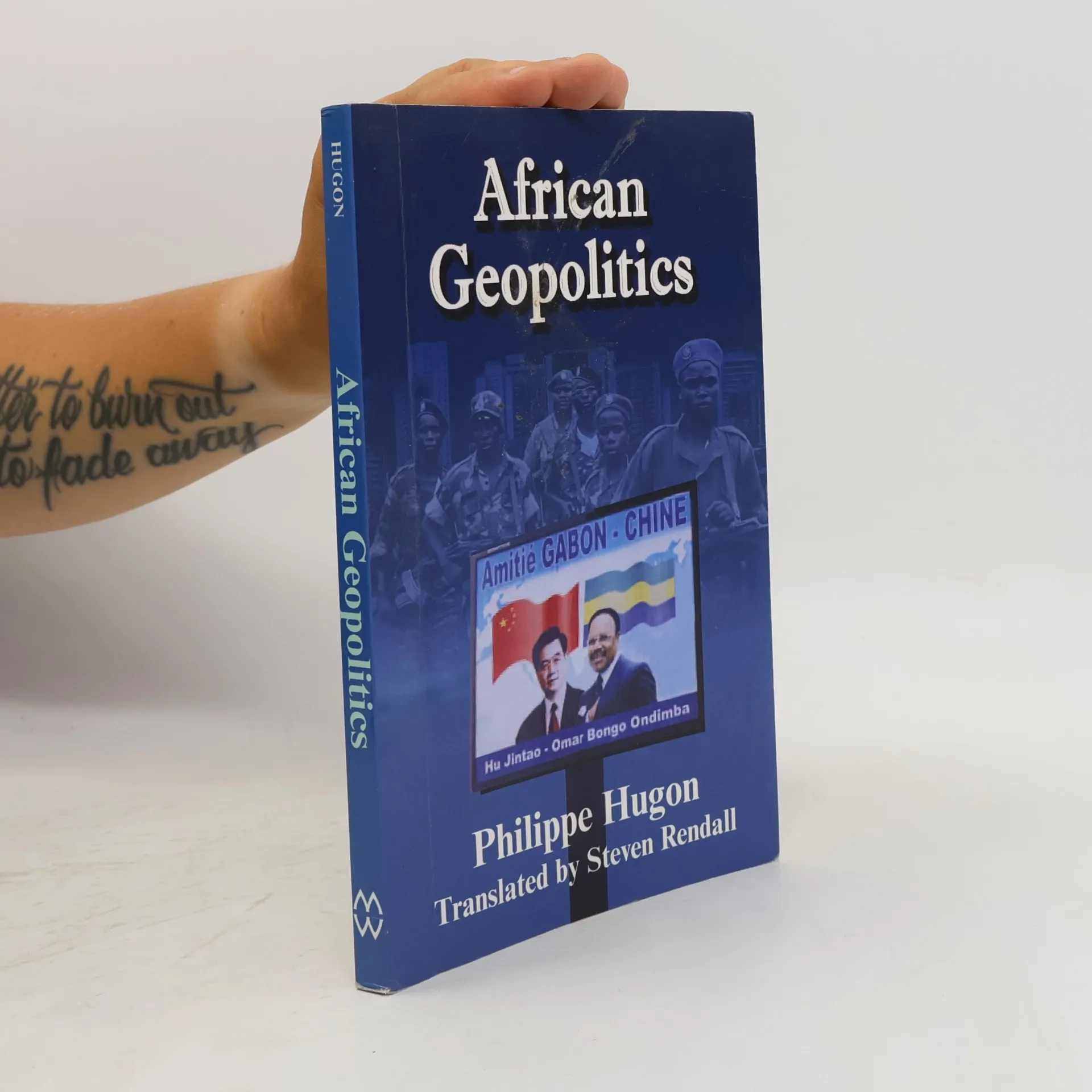
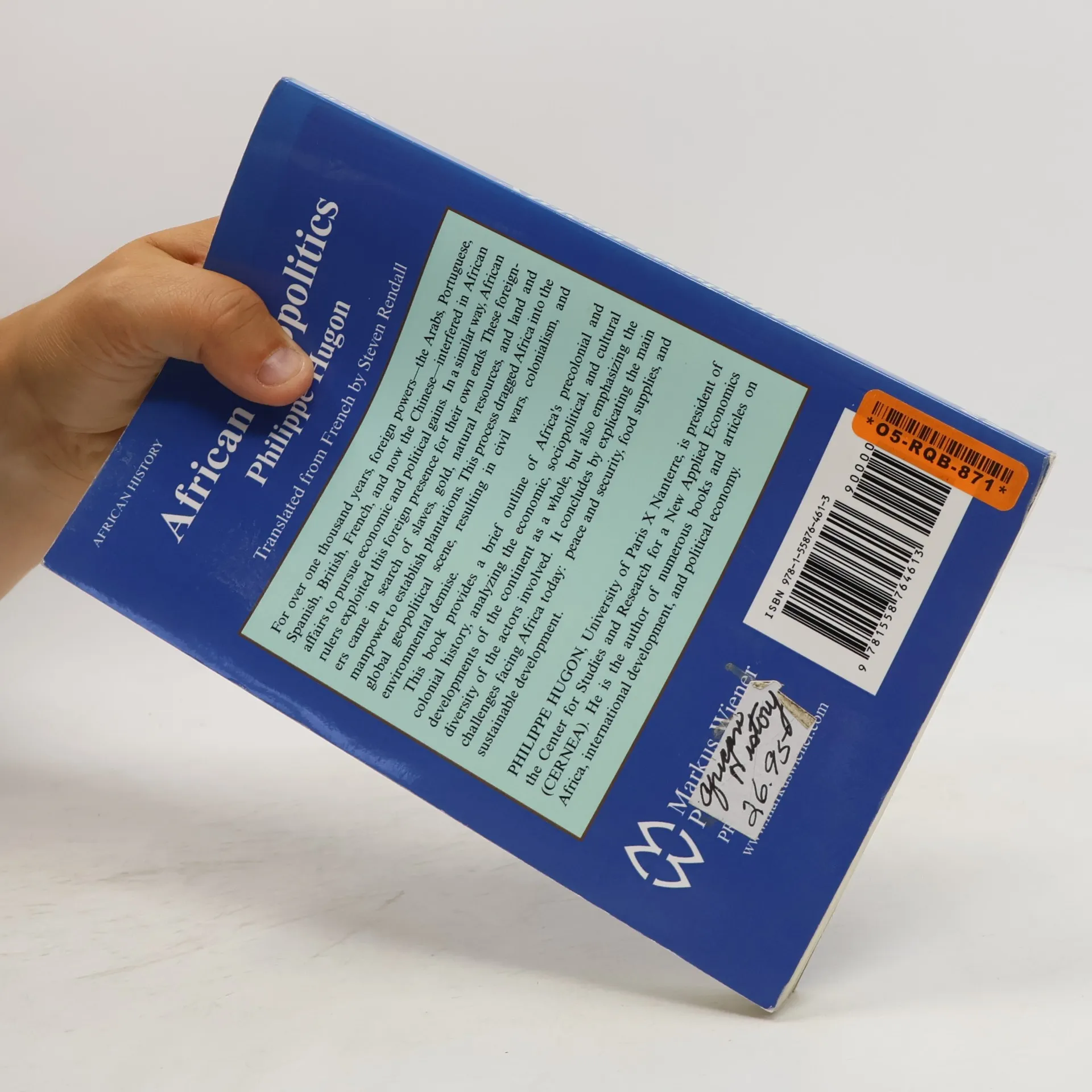
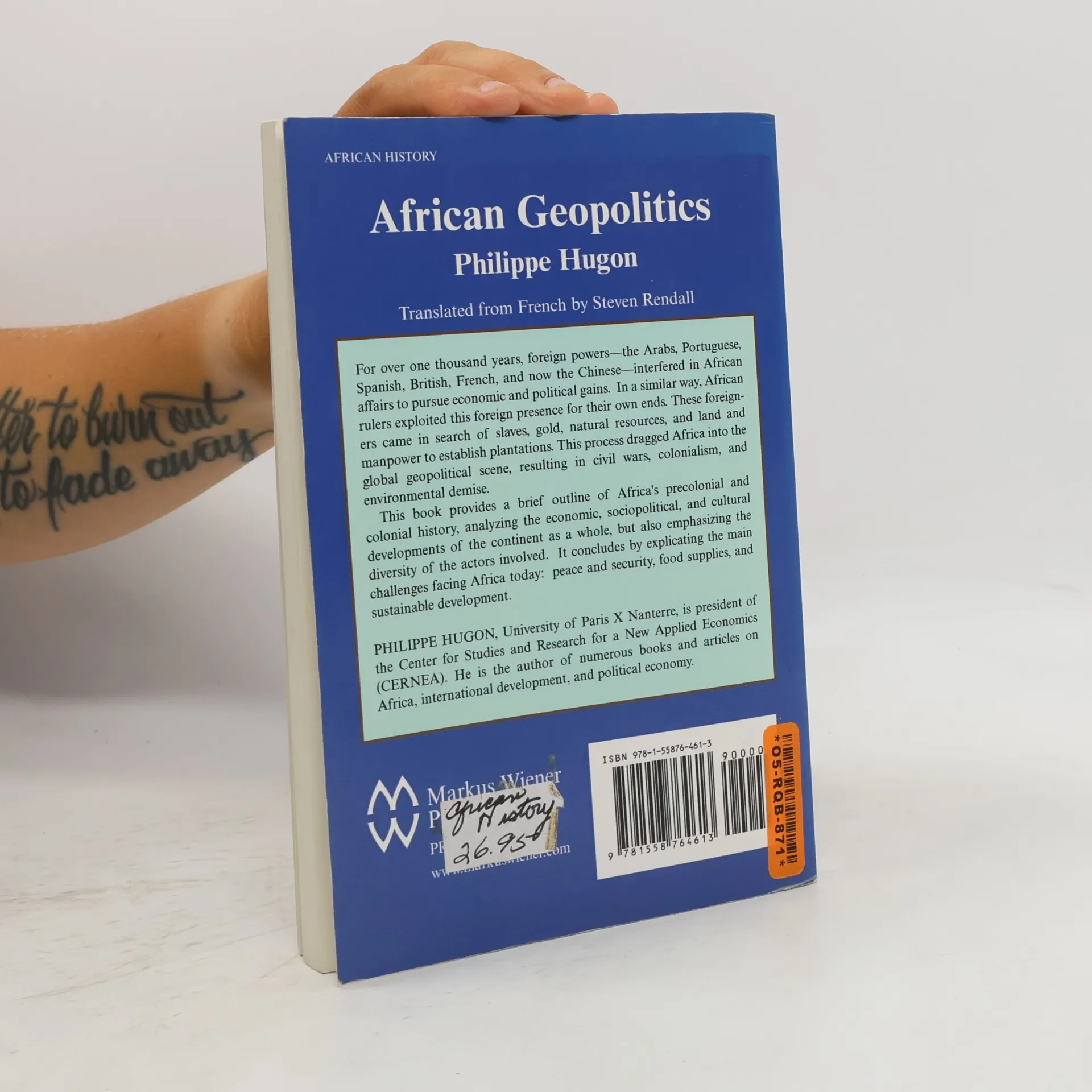
For over a thousand years, foreign powers, including the Arabs, Portuguese, Spanish, British, French, and now Chinese, interfered in African affairs to pursue economic and political gains. In a similar way, African rulers exploited this foreign presence for their own ends. Foreigners came in search of slaves, gold, and other natural resources, such as land and manpower for plantations. This process dragged Africa into the global geopolitical scene, resulting in civil wars, colonialism, and environmental demise. This book provides a brief outline of Africa's pre-colonial and colonial history, analyzing the economic, sociopolitical, and cultural fields on the level of the continent as a whole but emphasizing the diversity of the actors involved. It concludes by explaining the significant current challenges facing peace and security, food supplies, and sustainable development.
Zakup książki
African Geopolitics, Philippe Hugon, Steven Rendall
- Język

- Rok wydania
- 2008
- Oprawa
- (miękka),
- Stan książki
- Uszkodzony
- Cena
- 22,46 zł
Metody płatności
Nikt jeszcze nie ocenił.
- Tytuł
- African Geopolitics
- Język
- angielski
- Autorzy
- Philippe Hugon, Steven Rendall
- Wydawca
- Markus Wiener Publishers
- Rok wydania
- 2008
- Oprawa
- miękka
- Liczba stron
- 174
- ISBN10
- 1558764615
- ISBN13
- 9781558764613
- Seria
- Opis
- For over a thousand years, foreign powers, including the Arabs, Portuguese, Spanish, British, French, and now Chinese, interfered in African affairs to pursue economic and political gains. In a similar way, African rulers exploited this foreign presence for their own ends. Foreigners came in search of slaves, gold, and other natural resources, such as land and manpower for plantations. This process dragged Africa into the global geopolitical scene, resulting in civil wars, colonialism, and environmental demise. This book provides a brief outline of Africa's pre-colonial and colonial history, analyzing the economic, sociopolitical, and cultural fields on the level of the continent as a whole but emphasizing the diversity of the actors involved. It concludes by explaining the significant current challenges facing peace and security, food supplies, and sustainable development.