

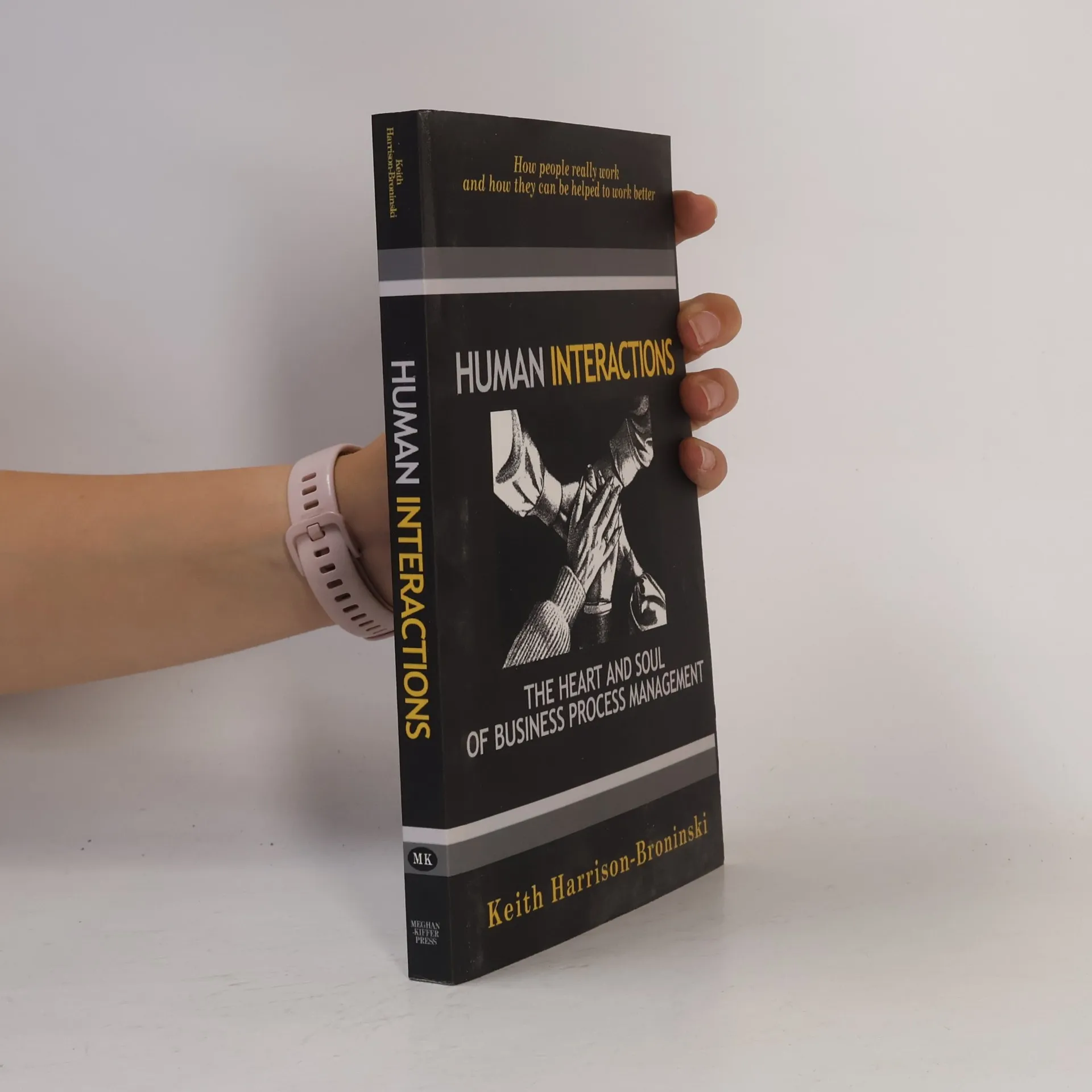


Więcej o książce
Despite advancements in business automation, the core of every organization remains its people, essential for operational success. Current work support technologies often treat individuals as mere cogs in a machine, highlighting the need for improvement. This landmark work integrates insights from biology, psychology, social systems theory, and learning theory with business process analysis to establish a comprehensive theory of human work. It emphasizes effective management and IT techniques that enhance workplace dynamics and leverage intangible assets. In a globalized, competitive environment, organizations must focus on never-satisfied customers, making Human Interaction Management crucial for success. Today's fierce competitors are harnessing the Internet and Business Process Management (BPM) technologies, which primarily cater to machine-driven activities. However, human-driven processes are the foundation of commercial success. Effective management of these processes is essential, as technology support for human interactions remains a gap in current BPM systems. Real work involves communication, decision-making, and collaboration, yet modern systems often overlook these aspects. To improve human-driven processes, we must accurately describe and capture this work in computer systems, necessitating a shift in business process modeling and BPM technologies. This practical guide, informed by firsthand experience, offers i
Zakup książki
Human Interactions, Keith Harrison-Broninski, Peter Fingar
- Język

- Rok wydania
- 2005
- Oprawa
- (miękka),
- Stan książki
- Bardzo dobry
- Cena
- 15,96 zł
Metody płatności
Nikt jeszcze nie ocenił.
- Tytuł
- Human Interactions
- Podtytuł
- How People Reallly Work And How They Can Be Helped To Work Better
- Język
- angielski
- Autorzy
- Keith Harrison-Broninski, Peter Fingar
- Wydawca
- Meghan-Kiffer Press
- Rok wydania
- 2005
- Oprawa
- miękka
- Liczba stron
- 311
- ISBN10
- 0929652444
- ISBN13
- 9780929652443
- Seria
- Kategorie
- Tagi
- Biznes
- Opis
- Despite advancements in business automation, the core of every organization remains its people, essential for operational success. Current work support technologies often treat individuals as mere cogs in a machine, highlighting the need for improvement. This landmark work integrates insights from biology, psychology, social systems theory, and learning theory with business process analysis to establish a comprehensive theory of human work. It emphasizes effective management and IT techniques that enhance workplace dynamics and leverage intangible assets. In a globalized, competitive environment, organizations must focus on never-satisfied customers, making Human Interaction Management crucial for success. Today's fierce competitors are harnessing the Internet and Business Process Management (BPM) technologies, which primarily cater to machine-driven activities. However, human-driven processes are the foundation of commercial success. Effective management of these processes is essential, as technology support for human interactions remains a gap in current BPM systems. Real work involves communication, decision-making, and collaboration, yet modern systems often overlook these aspects. To improve human-driven processes, we must accurately describe and capture this work in computer systems, necessitating a shift in business process modeling and BPM technologies. This practical guide, informed by firsthand experience, offers i