


Więcej o książce
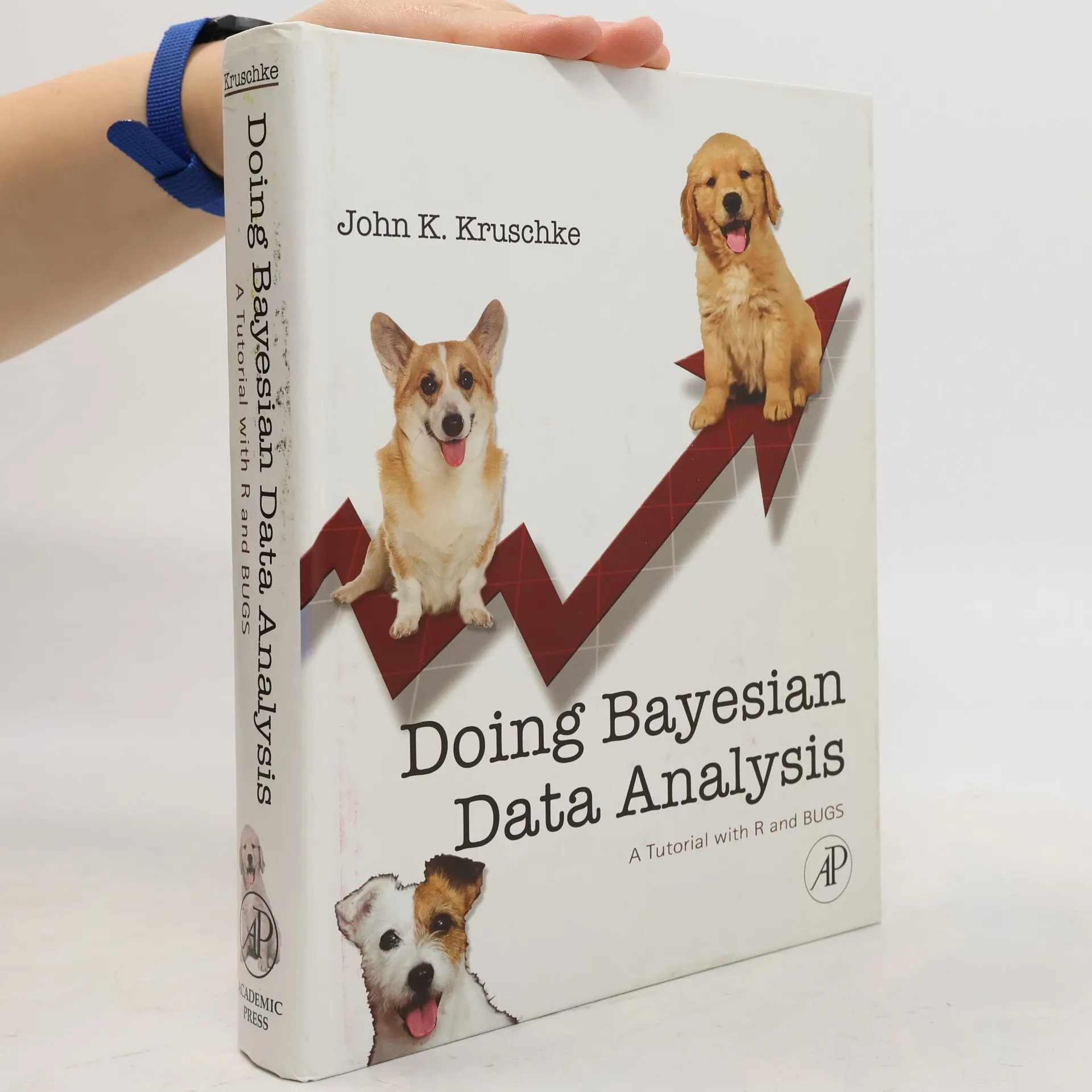
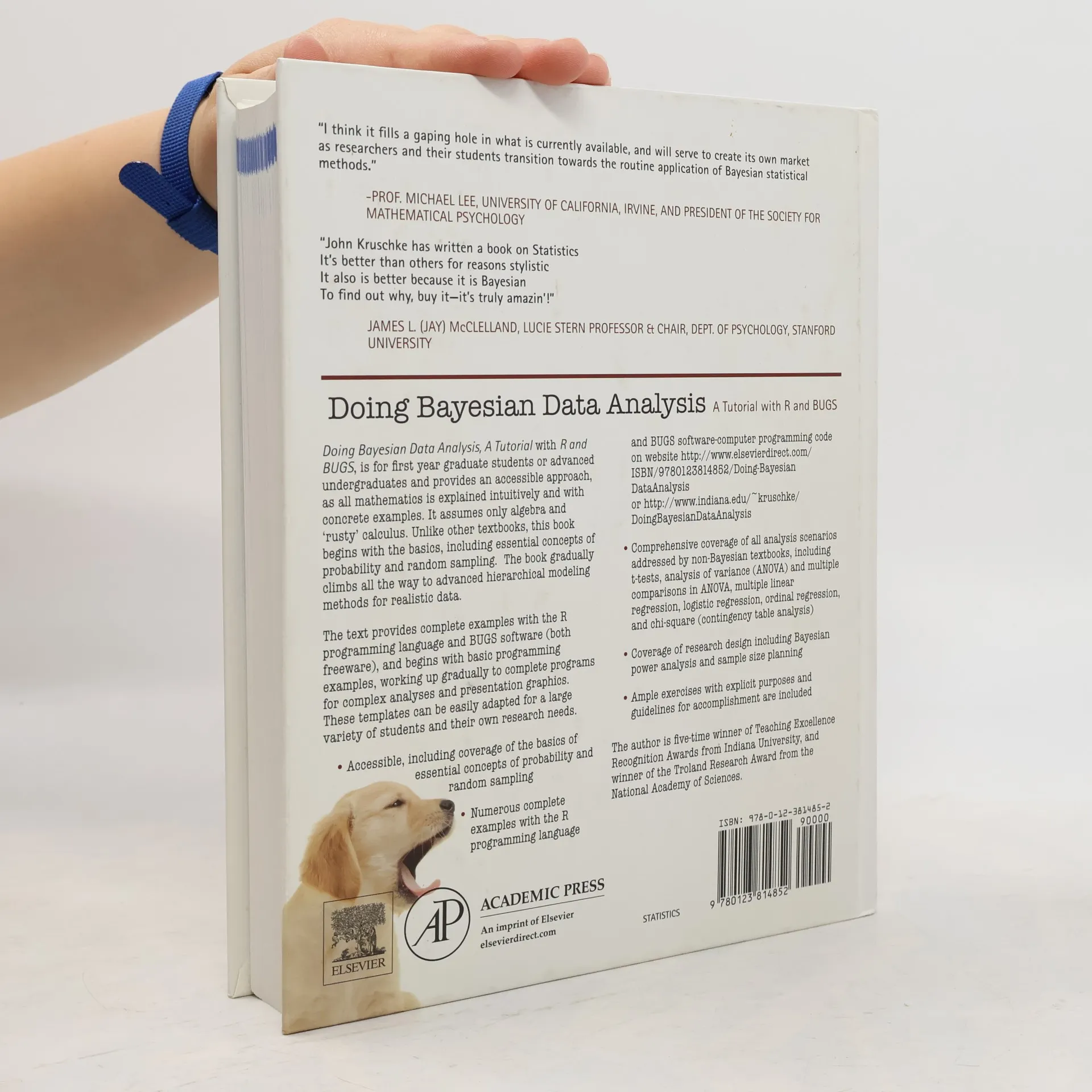
There is a growing interest in Bayesian statistics due to new computational methods that have made it more accessible. This resource is designed for first-year graduate students and advanced undergraduates, offering an intuitive approach with concrete examples. It requires only a background in algebra and basic calculus. Starting with fundamental concepts of probability and random sampling, the book progresses to advanced hierarchical modeling techniques suitable for real-world data. It includes complete examples using the R programming language and BUGS software, both of which are free. The text begins with simple programming tasks and gradually advances to complex analyses and presentation graphics, providing templates adaptable for various research needs. This resource effectively transitions students from undergraduate studies to modern Bayesian methods and covers essential topics such as t-tests, ANOVA, multiple regression, and chi-square analysis. Additionally, it addresses experiment planning and offers R and BUGS programming code available online. Exercises are designed with clear purposes and guidelines to aid in understanding.
Zakup książki
Doing Bayesian Data Analysis, John K. Kruschke
- Język

- Rok wydania
- 2010
- Oprawa
- (twarda)
Metody płatności
Nikt jeszcze nie ocenił.
- Tytuł
- Doing Bayesian Data Analysis
- Podtytuł
- A Tutorial Introduction with R and BUGS
- Język
- angielski
- Autorzy
- John K. Kruschke
- Wydawca
- Academic press
- Rok wydania
- 2010
- Oprawa
- twarda
- Liczba stron
- 672
- ISBN10
- 0123814855
- ISBN13
- 9780123814852
- Seria
- Kategorie
- Tagi
- Podręczniki, Poradniki, Nauka, Analiza danych
- Opis
- There is a growing interest in Bayesian statistics due to new computational methods that have made it more accessible. This resource is designed for first-year graduate students and advanced undergraduates, offering an intuitive approach with concrete examples. It requires only a background in algebra and basic calculus. Starting with fundamental concepts of probability and random sampling, the book progresses to advanced hierarchical modeling techniques suitable for real-world data. It includes complete examples using the R programming language and BUGS software, both of which are free. The text begins with simple programming tasks and gradually advances to complex analyses and presentation graphics, providing templates adaptable for various research needs. This resource effectively transitions students from undergraduate studies to modern Bayesian methods and covers essential topics such as t-tests, ANOVA, multiple regression, and chi-square analysis. Additionally, it addresses experiment planning and offers R and BUGS programming code available online. Exercises are designed with clear purposes and guidelines to aid in understanding.