



Parametry
- 470 stron
- 17 godzin czytania
Więcej o książce
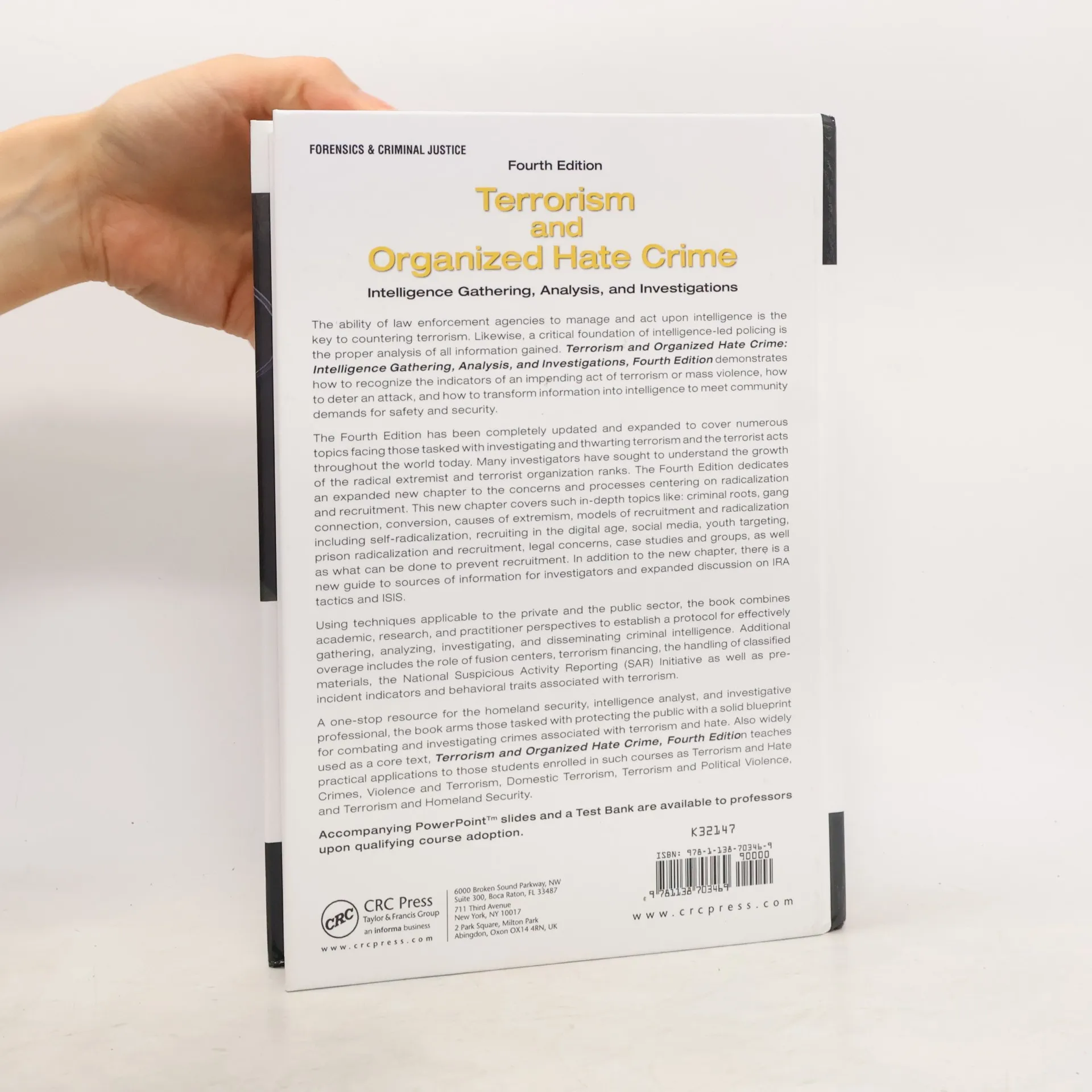
The ability of law enforcement to manage intelligence is crucial in countering terrorism, with proper analysis forming the foundation of intelligence-led policing. This updated edition illustrates how to identify indicators of potential terrorism or mass violence, deter attacks, and convert information into actionable intelligence to enhance community safety. It addresses contemporary challenges in investigating terrorism, including the rise of radical extremist organizations. A new chapter focuses on radicalization and recruitment, exploring topics such as criminal backgrounds, gang connections, causes of extremism, and modern recruitment methods, including digital platforms and social media. The book also provides a guide for investigators, expands on IRA and ISIS tactics, and discusses fusion centers, terrorism financing, and the National Suspicious Activity Reporting Initiative. By integrating academic, research, and practical insights, it establishes a comprehensive protocol for gathering, analyzing, and disseminating intelligence. Serving as a vital resource for homeland security and investigative professionals, this edition also supports students in related courses with practical applications. Accompanying materials, including PowerPoint slides and a Test Bank, are available for educators upon course adoption.
Zakup książki
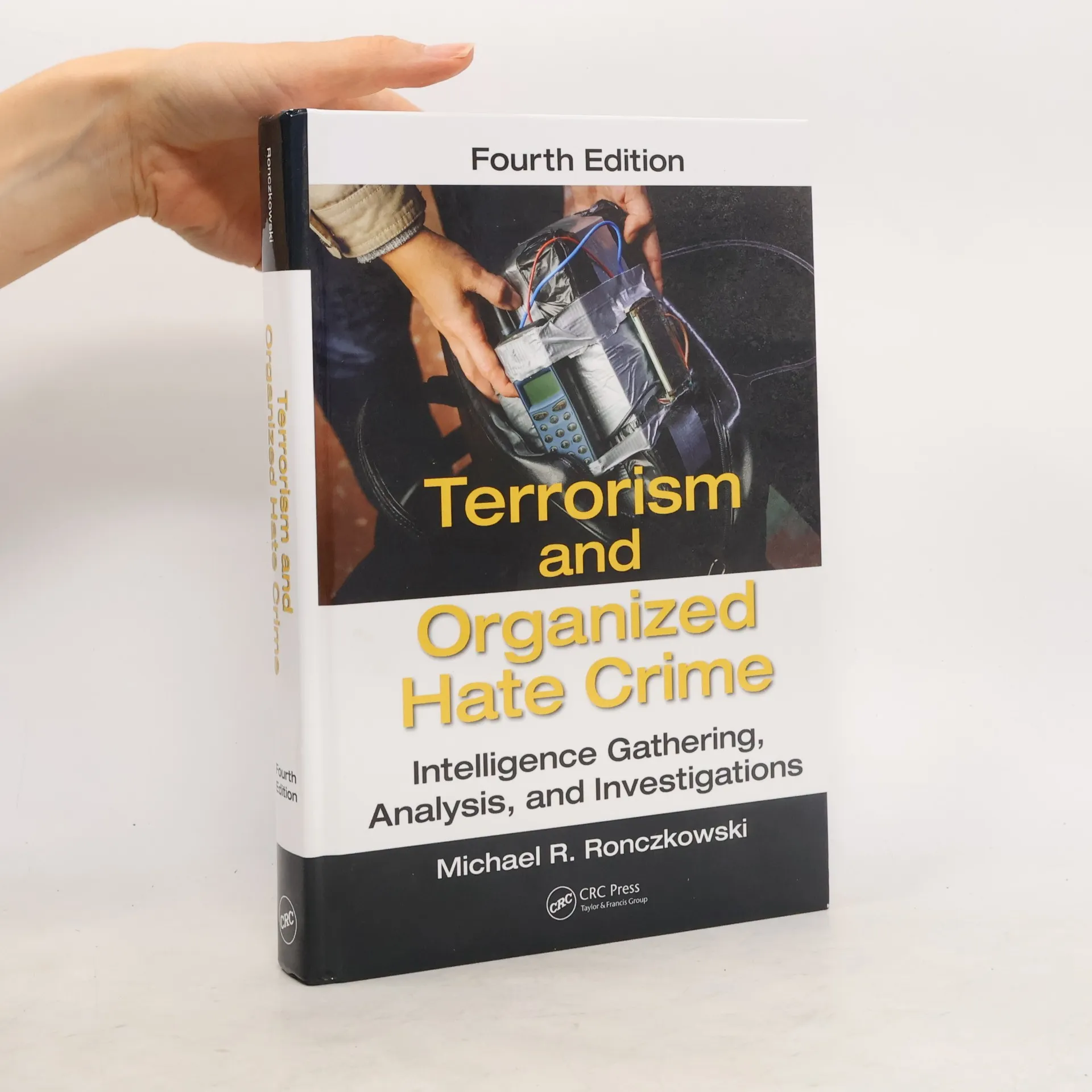
Terrorism and Organized Hate Crime, Michael R. Ronczkowski
- Język

- Rok wydania
- 2017
- Oprawa
- (twarda),
- Stan książki
- Uszkodzony
- Cena
- 127,29 zł
Metody płatności
Nikt jeszcze nie ocenił.
- Tytuł
- Terrorism and Organized Hate Crime
- Podtytuł
- Intelligence Gathering, Analysis and Investigations, Fourth Edition
- Język
- angielski
- Autorzy
- Michael R. Ronczkowski
- Wydawca
- CRC Press
- Rok wydania
- 2017
- Oprawa
- twarda
- Liczba stron
- 470
- ISBN10
- 113870346X
- ISBN13
- 9781138703469
- Seria
- Tagi
- Opis
- The ability of law enforcement to manage intelligence is crucial in countering terrorism, with proper analysis forming the foundation of intelligence-led policing. This updated edition illustrates how to identify indicators of potential terrorism or mass violence, deter attacks, and convert information into actionable intelligence to enhance community safety. It addresses contemporary challenges in investigating terrorism, including the rise of radical extremist organizations. A new chapter focuses on radicalization and recruitment, exploring topics such as criminal backgrounds, gang connections, causes of extremism, and modern recruitment methods, including digital platforms and social media. The book also provides a guide for investigators, expands on IRA and ISIS tactics, and discusses fusion centers, terrorism financing, and the National Suspicious Activity Reporting Initiative. By integrating academic, research, and practical insights, it establishes a comprehensive protocol for gathering, analyzing, and disseminating intelligence. Serving as a vital resource for homeland security and investigative professionals, this edition also supports students in related courses with practical applications. Accompanying materials, including PowerPoint slides and a Test Bank, are available for educators upon course adoption.