


Więcej o książce
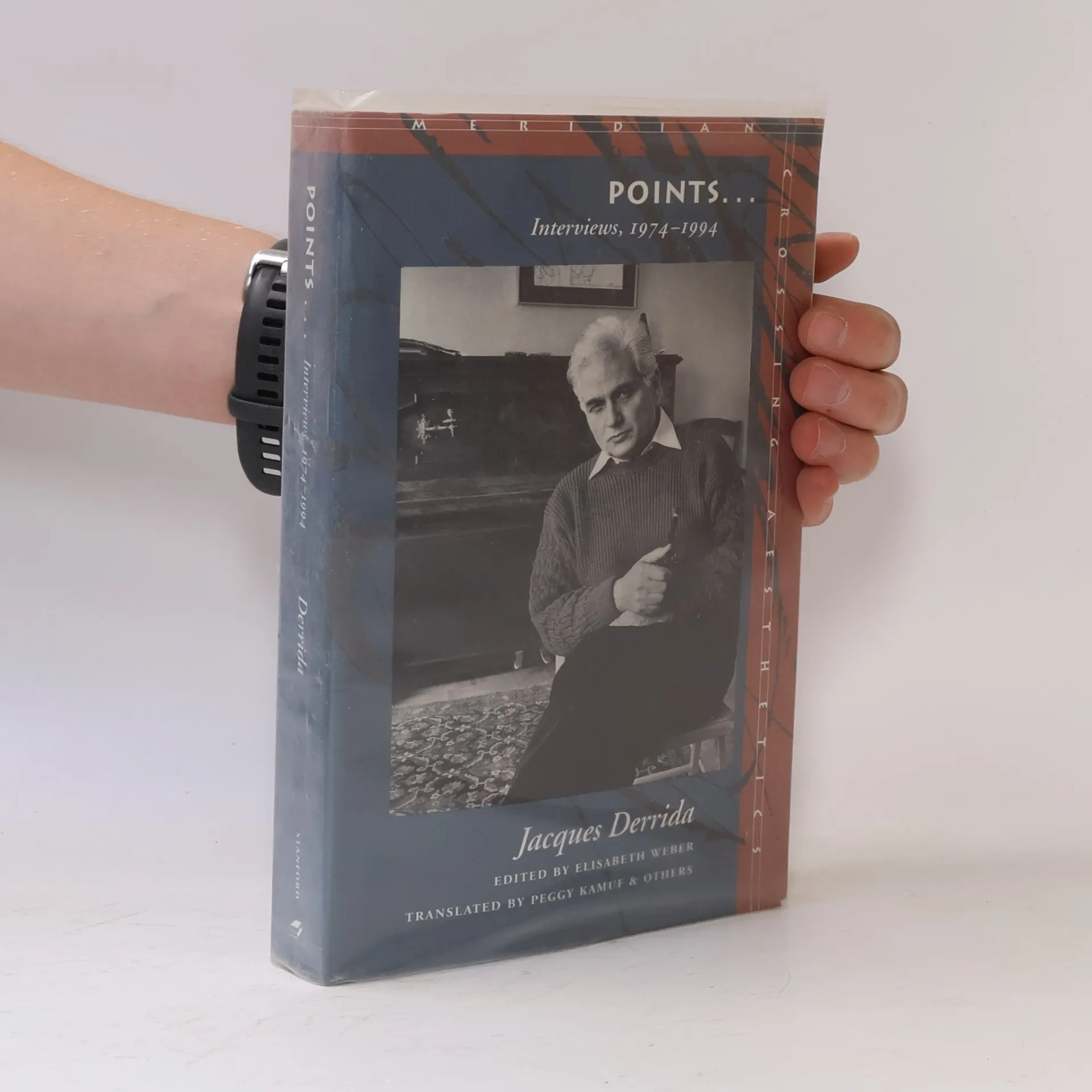
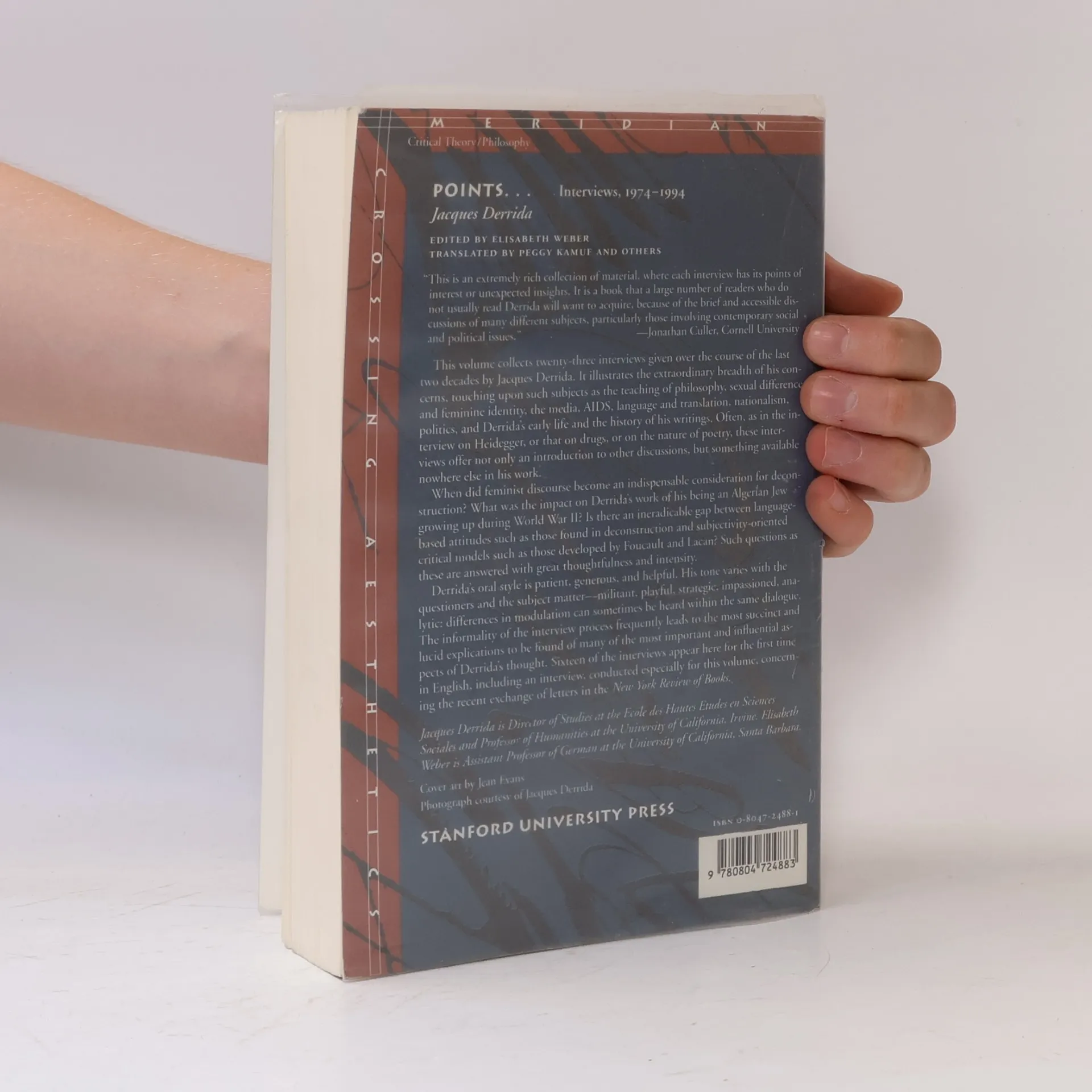
This volume compiles twenty-three interviews with Jacques Derrida from the past two decades, showcasing the extensive range of his interests. Topics include philosophy education, sexual difference, media, AIDS, language, nationalism, politics, and his early life experiences. Notably, some interviews provide unique insights not found elsewhere in his work, such as discussions on Heidegger, drugs, and poetry. Key questions addressed include the role of feminist discourse in deconstruction, the influence of Derrida's background as an Algerian Jew during World War II, and the relationship between language-based approaches and subjectivity-focused models like those of Foucault and Lacan. Derrida responds to these inquiries with depth and intensity, exhibiting a patient and generous oral style. His tone shifts according to the interviewer and topic—ranging from militant to playful, strategic to impassioned. The informal nature of the interviews often leads to clear and concise explanations of significant aspects of his philosophy. Sixteen interviews are presented in English for the first time, including a newly conducted interview about a recent exchange in the New York Review of Books.
Zakup książki
Meridian: Crossing Aesthetics: Points..., Jacques Derrida, Elisabeth Weber, Peggy Kamuf
- Język

- Rok wydania
- 1996
- Oprawa
- (miękka)
Metody płatności
Nikt jeszcze nie ocenił.
- Tytuł
- Meridian: Crossing Aesthetics: Points...
- Podtytuł
- Interviews, 1974-1994
- Język
- angielski
- Autorzy
- Jacques Derrida, Elisabeth Weber, Peggy Kamuf
- Wydawca
- Stanford University Press
- Rok wydania
- 1996
- Oprawa
- miękka
- Liczba stron
- 516
- ISBN10
- 0804724881
- ISBN13
- 9780804724883
- Seria
- Opis
- This volume compiles twenty-three interviews with Jacques Derrida from the past two decades, showcasing the extensive range of his interests. Topics include philosophy education, sexual difference, media, AIDS, language, nationalism, politics, and his early life experiences. Notably, some interviews provide unique insights not found elsewhere in his work, such as discussions on Heidegger, drugs, and poetry. Key questions addressed include the role of feminist discourse in deconstruction, the influence of Derrida's background as an Algerian Jew during World War II, and the relationship between language-based approaches and subjectivity-focused models like those of Foucault and Lacan. Derrida responds to these inquiries with depth and intensity, exhibiting a patient and generous oral style. His tone shifts according to the interviewer and topic—ranging from militant to playful, strategic to impassioned. The informal nature of the interviews often leads to clear and concise explanations of significant aspects of his philosophy. Sixteen interviews are presented in English for the first time, including a newly conducted interview about a recent exchange in the New York Review of Books.