

Więcej o książce
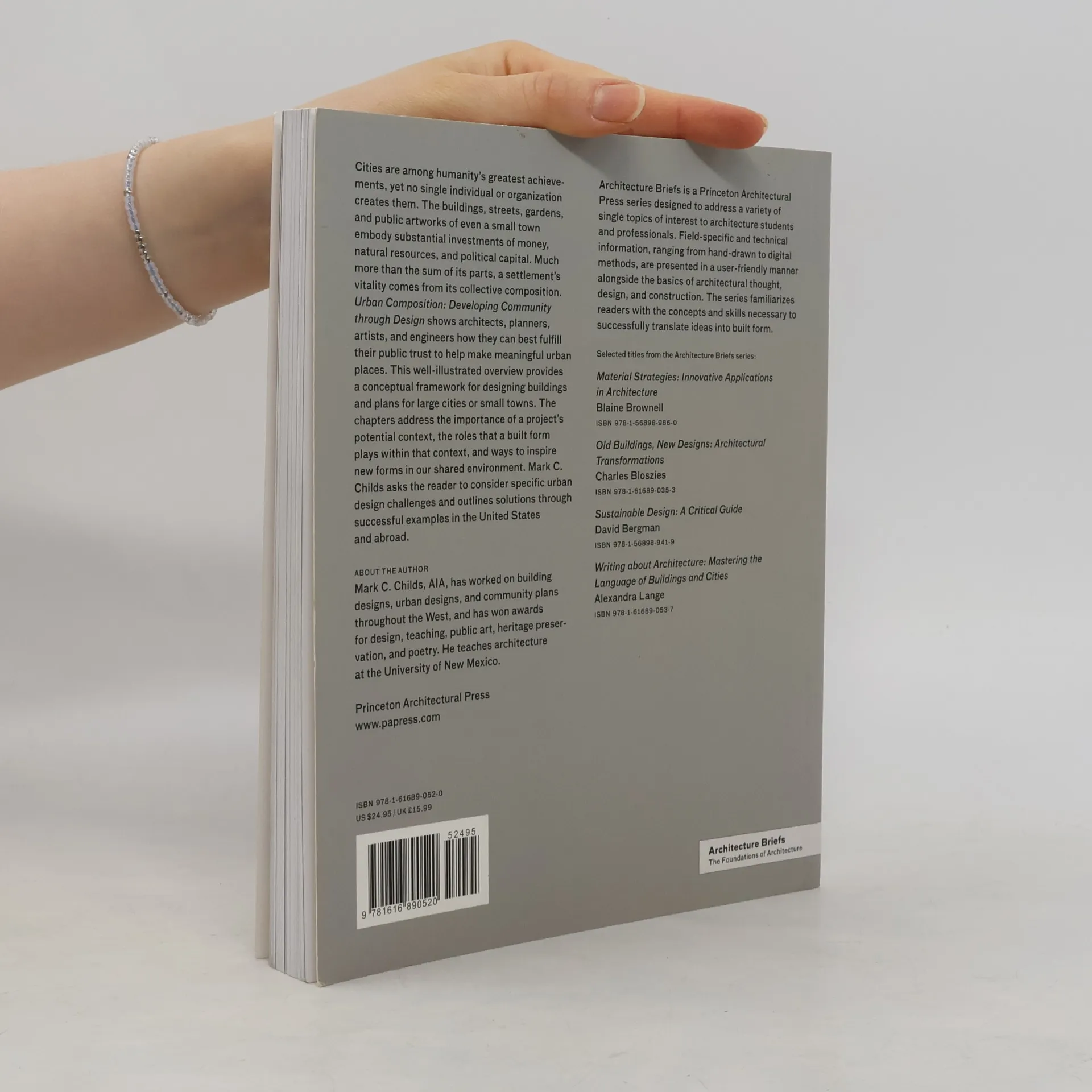
Cities and towns are among humanity's largest and most complex achievements. The buildings, public works, plazas and parks of even a small town embody substantial amounts of capital, energy, natural resources, history, and aspirations. Cities are among our greatest creations, yet typically no single individual creates them. Rather they arise from the dialog between multiple designers, clients, regulators, citizens, critics and users. Sometimes the cities and towns that emerge are glorious places. Too frequently they have only fragments of greatness or are soul-deadening and environmentally unhealthy. Just as private doctors have responsibilities to their individual patients and for public health, project designers are accountable to their clients and for a set of public goods such as environmental stewardship, fostering civil society, and inspiring joy. In Urban Composition, I introduce essential ways in which the architects, planners, artists and engineers of individual projects can fulfill their public trust to help make great urban places.
Zakup książki
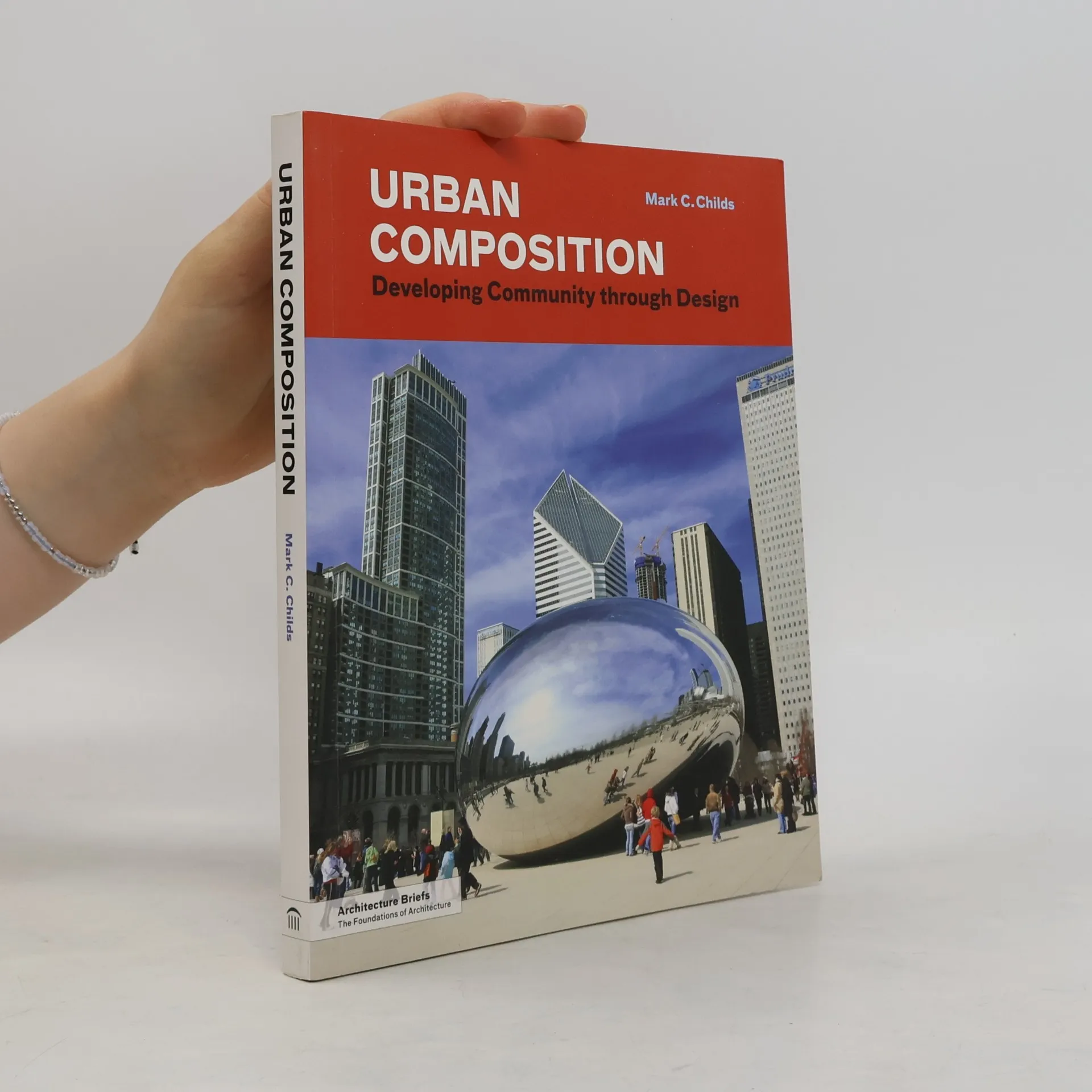
Urban Composition, Mark C. Childs
- Język

- Rok wydania
- 2012
- Oprawa
- (miękka)
Metody płatności
Nikt jeszcze nie ocenił.
- Tytuł
- Urban Composition
- Podtytuł
- Developing Community Through Design
- Język
- angielski
- Autorzy
- Mark C. Childs
- Rok wydania
- 2012
- Oprawa
- miękka
- Liczba stron
- 144
- ISBN10
- 1616890525
- ISBN13
- 9781616890520
- Seria
- Kategorie
- Tagi
- Architektura, Urbanizm
- Opis
- Cities and towns are among humanity's largest and most complex achievements. The buildings, public works, plazas and parks of even a small town embody substantial amounts of capital, energy, natural resources, history, and aspirations. Cities are among our greatest creations, yet typically no single individual creates them. Rather they arise from the dialog between multiple designers, clients, regulators, citizens, critics and users. Sometimes the cities and towns that emerge are glorious places. Too frequently they have only fragments of greatness or are soul-deadening and environmentally unhealthy. Just as private doctors have responsibilities to their individual patients and for public health, project designers are accountable to their clients and for a set of public goods such as environmental stewardship, fostering civil society, and inspiring joy. In Urban Composition, I introduce essential ways in which the architects, planners, artists and engineers of individual projects can fulfill their public trust to help make great urban places.