





Więcej o książce
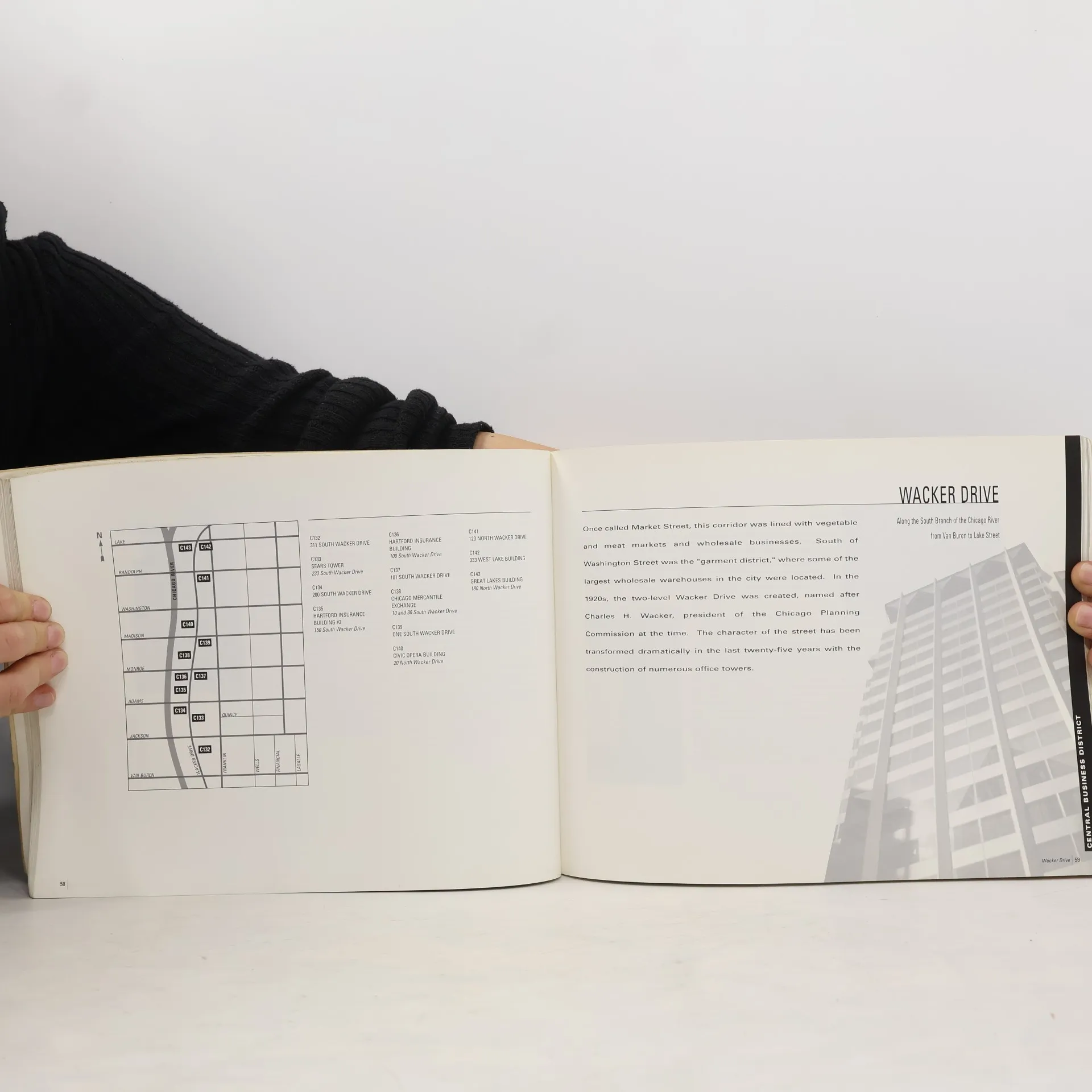
The Architecture of Chicago's Loop grew out of a series of field trips to downtown Chicago, which were part of an architectural history course at Dominican University in River Forest. The book is unique in its emphasis on the Loop, rather than on the entire Chicagoland. It was in the Loop, the heart of the city, where most of Chicago's greatest architectural accomplishments were realized. The book also attempts to explain the structure of the buildings, that is, what "holds the walls up." Much of Chicago's architectural greatness lies in the development of new methods of building, new structural systems.How does one encounter a building? Dr. Steiner, who has taught about architecture for more than twenty years, feels that only by looking first-hand at buildings and walking through them can one understand the architecture. Dr. Steiner suggests studying the various facades, sometimes even touching the wall surfaces, and walking through lobbies or hallways to understand better how the building functions. In addition, learning about a building's structural system and the uniqueness of an architect's solution to structural and functional problems will enhance one's understanding and appreciation. As the book carries the reader on a series of tours, the condensed descriptions of individual buildings provided within interweave a variety of aesthetic, structural and functional considerations.
Zakup książki
The Architecture of Chicago's Loop, Frances H. Steiner
- Język

- Rok wydania
- 1998
- Oprawa
- (miękka),
- Stan książki
- Uszkodzony
- Cena
- 8,22 zł
Metody płatności
Nikt jeszcze nie ocenił.
- Tytuł
- The Architecture of Chicago's Loop
- Podtytuł
- A Guide to the Central and Nearby Districts
- Język
- angielski
- Autorzy
- Frances H. Steiner
- Wydawca
- Sigma Press
- Rok wydania
- 1998
- Oprawa
- miękka
- Liczba stron
- 160
- ISBN10
- 0966725905
- ISBN13
- 9780966725902
- Seria
- Tagi
- Architektura, USA, Przewodniki
- Opis
- The Architecture of Chicago's Loop grew out of a series of field trips to downtown Chicago, which were part of an architectural history course at Dominican University in River Forest. The book is unique in its emphasis on the Loop, rather than on the entire Chicagoland. It was in the Loop, the heart of the city, where most of Chicago's greatest architectural accomplishments were realized. The book also attempts to explain the structure of the buildings, that is, what "holds the walls up." Much of Chicago's architectural greatness lies in the development of new methods of building, new structural systems.How does one encounter a building? Dr. Steiner, who has taught about architecture for more than twenty years, feels that only by looking first-hand at buildings and walking through them can one understand the architecture. Dr. Steiner suggests studying the various facades, sometimes even touching the wall surfaces, and walking through lobbies or hallways to understand better how the building functions. In addition, learning about a building's structural system and the uniqueness of an architect's solution to structural and functional problems will enhance one's understanding and appreciation. As the book carries the reader on a series of tours, the condensed descriptions of individual buildings provided within interweave a variety of aesthetic, structural and functional considerations.