




Parametry
Więcej o książce
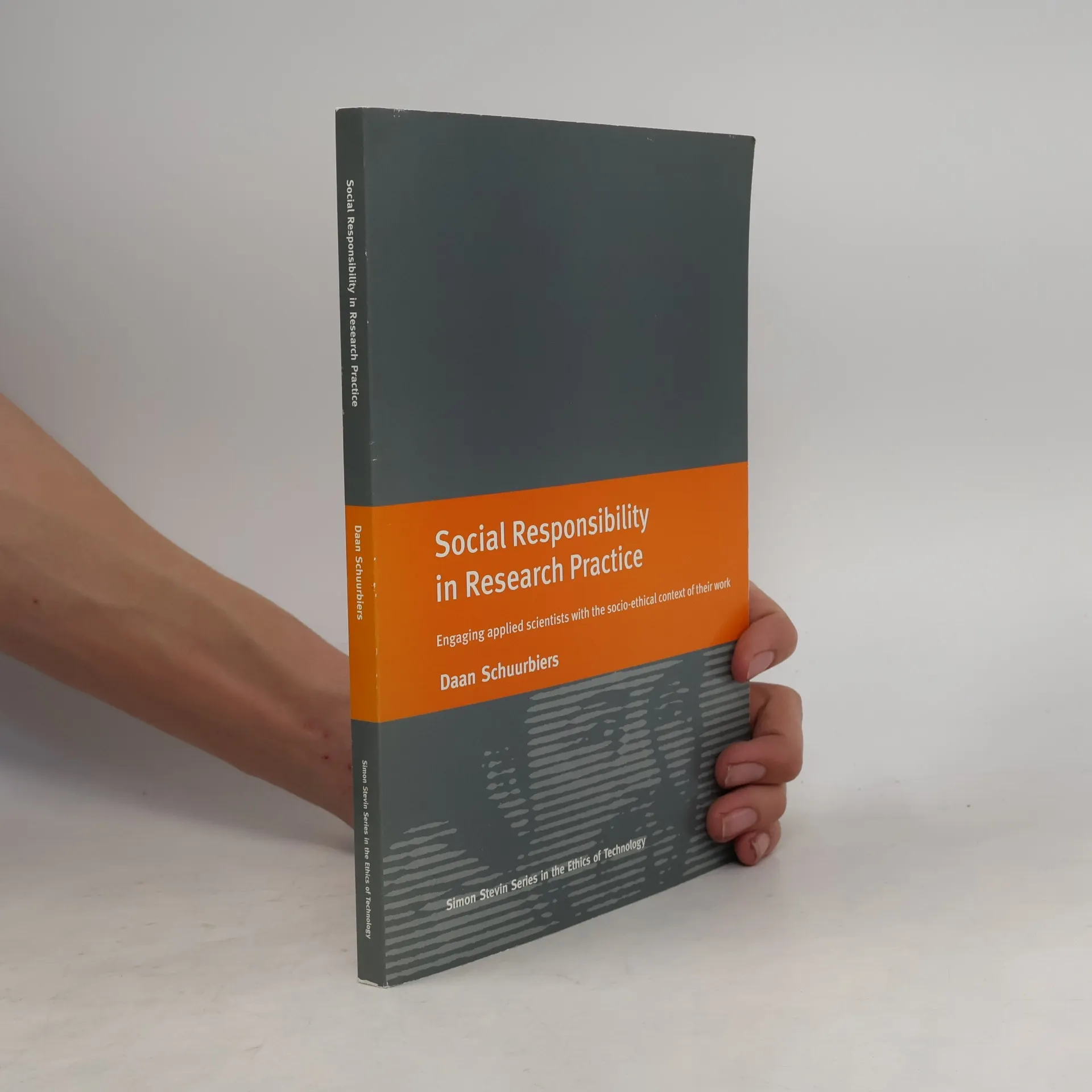
How to encourage researchers to critically reflect on the ethical and social dimensions of their work? That is the central research question of this thesis. It starts from the assumption that the neutrality view of the social responsibility of the researcher - the view that researchers have no business with the social and ethical dimensions of their work - has become untenable, at least as far as applied sciences such as nano- and biotechnology are concerned. Instead, this thesis adopts a broader view, arguing that the social responsibility of researchers includes a moral responsibility to critically reflect on the socio-ethical context of their work. While this normative viewpoint itself is not uncommon, the neutrality view remains a dominant frame of reference in daily research practice. The specific contribution this thesis aims to make to the ongoing debate is to 'revalue value-free science': by way of three case studies (the implementation of a code of conduct for scientific practice, interdisciplinary collaborations between social and natural scientists, and the development of 'science and society' education), it explores opportunities and constraints for realising a broadened conception of social responsibility in daily research practice.
Zakup książki
Social Responsibility in Research Practice, Daniël Schuurbiers, Louis-Philippe Breydel, Peter Kroes, Anthonie Meijers
- Język


- Rok wydania
- 2010
- Oprawa
- (miękka),
- Stan książki
- Dobry
- Cena
- 349,53 zł
Metody płatności
Nikt jeszcze nie ocenił.
- Tytuł
- Social Responsibility in Research Practice
- Podtytuł
- Engaging Applied Scientists With the Socio-Ethical Context of Their Work
- Język
- angielski, holenderski
- Rok wydania
- 2010
- Oprawa
- miękka
- ISBN10
- 903862378X
- ISBN13
- 9789038623788
- Seria
- Tagi
- Nauka, Badania naukowe, Etyka
- Opis
- How to encourage researchers to critically reflect on the ethical and social dimensions of their work? That is the central research question of this thesis. It starts from the assumption that the neutrality view of the social responsibility of the researcher - the view that researchers have no business with the social and ethical dimensions of their work - has become untenable, at least as far as applied sciences such as nano- and biotechnology are concerned. Instead, this thesis adopts a broader view, arguing that the social responsibility of researchers includes a moral responsibility to critically reflect on the socio-ethical context of their work. While this normative viewpoint itself is not uncommon, the neutrality view remains a dominant frame of reference in daily research practice. The specific contribution this thesis aims to make to the ongoing debate is to 'revalue value-free science': by way of three case studies (the implementation of a code of conduct for scientific practice, interdisciplinary collaborations between social and natural scientists, and the development of 'science and society' education), it explores opportunities and constraints for realising a broadened conception of social responsibility in daily research practice.