

Więcej o książce
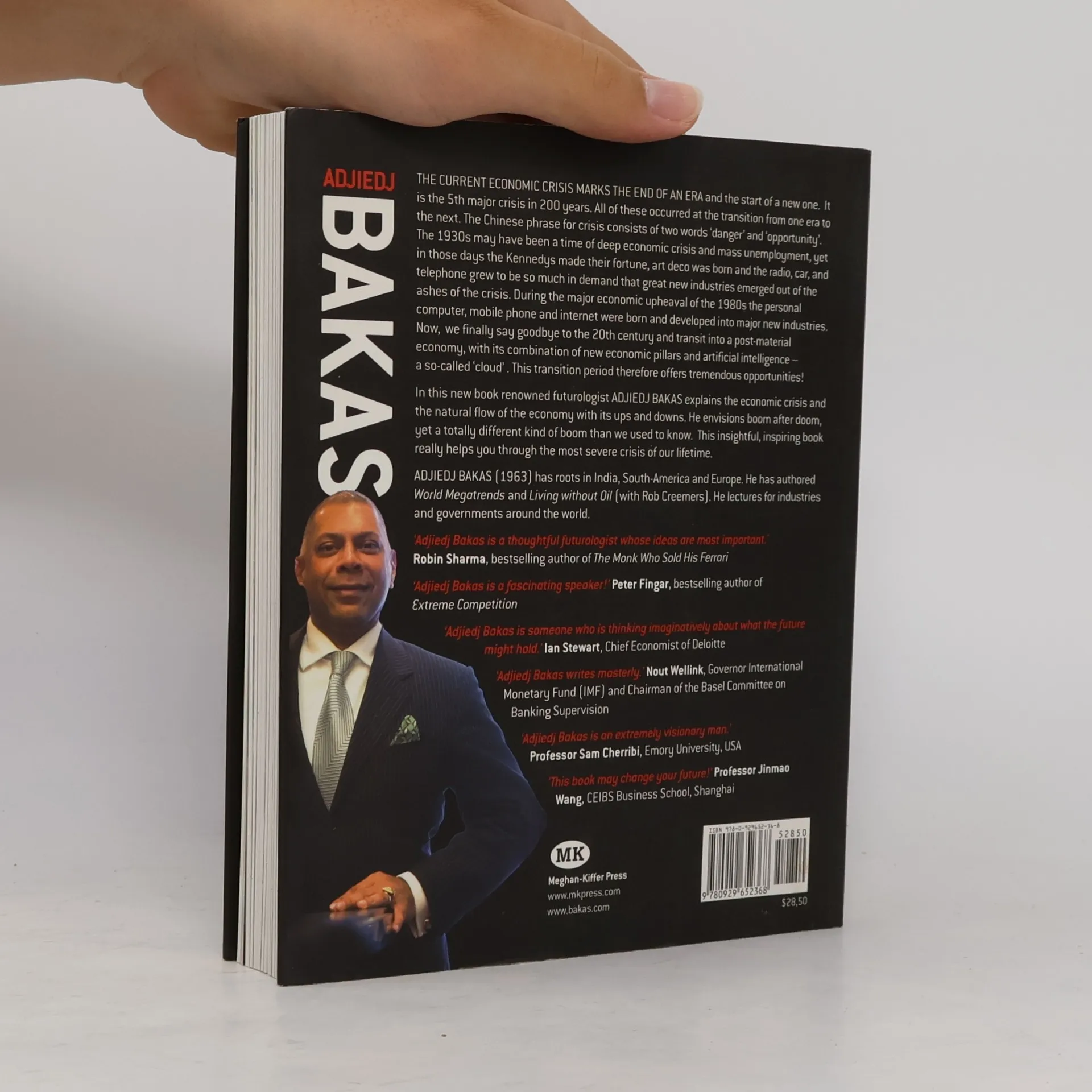
The current deep economic crisis signifies a pivotal transition, encapsulated in the Chinese concept of crisis as both danger and opportunity. In this insightful work, renowned futurologist Adjiedj Bakas guides readers through the New Great Depression of the 21st century, illustrating the natural ebb and flow of the economy with its inherent dangers and opportunities. He anticipates a new kind of Boom following this period of Doom, distinct from any previous experience. This crisis marks the end of an era and the dawn of a new one, representing the fifth major economic crisis in 200 years, all occurring during significant transitions. Historically, the 1930s saw fortunes made amidst adversity, giving rise to new industries like art deco and mass communication. The 1980s crisis birthed the personal computer, mobile phone, and Internet, reshaping the economic landscape. Today, we bid farewell to the 20th century, entering a post-material economy characterized by digital collaboration and cloud computing. This era positions China as the new global powerhouse, with globalization evolving into slowbalization, emphasizing the Economy of Happiness. This transition period is ripe with opportunities for individuals to embrace and navigate the changing landscape.
Zakup książki
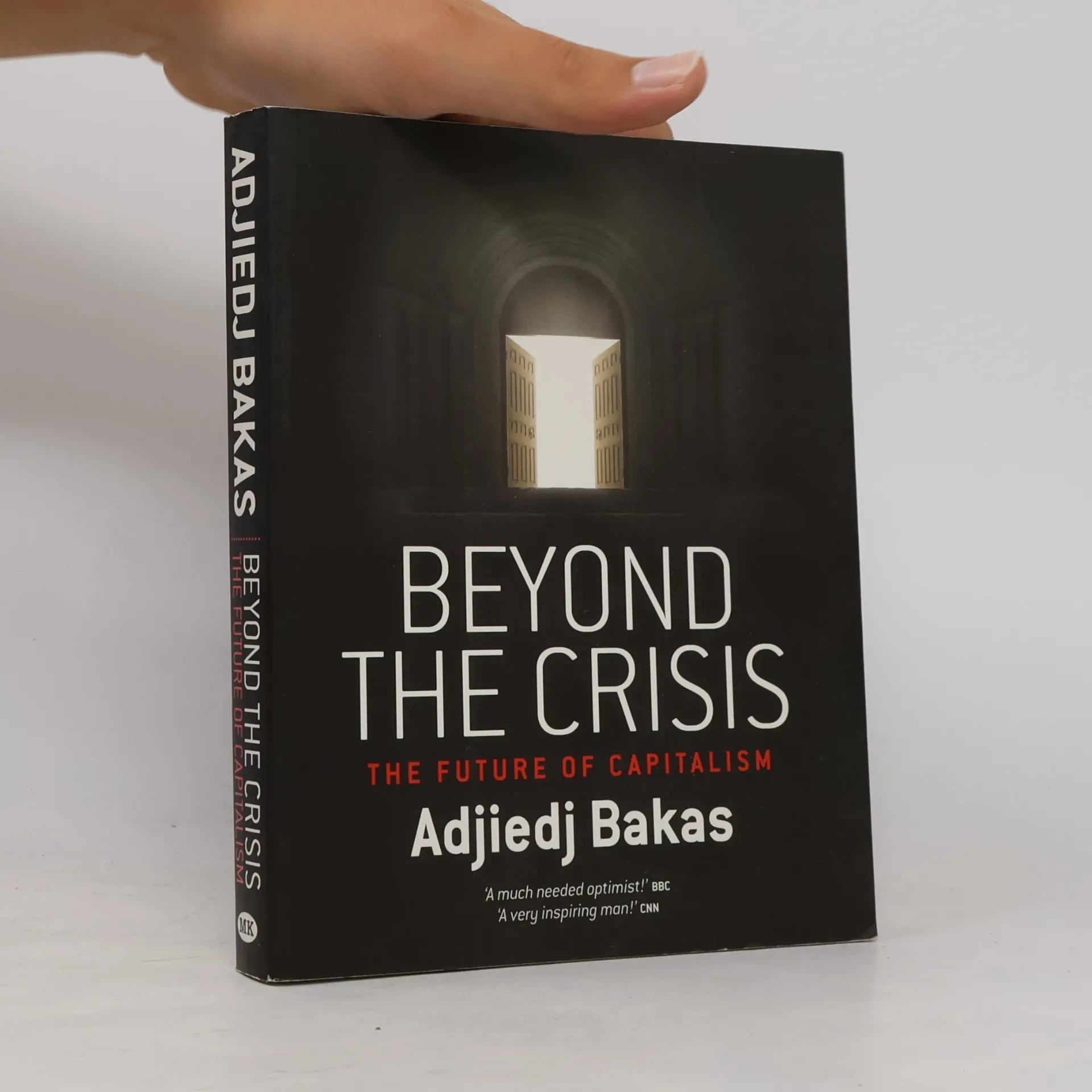
Beyond the Crisis, Adjiedj Bakas
- Język

- Rok wydania
- 2009
- Oprawa
- (miękka),
- Stan książki
- Dobry
- Cena
- 17,65 zł
Metody płatności
Nikt jeszcze nie ocenił.
- Tytuł
- Beyond the Crisis
- Podtytuł
- The Future of Capitalism
- Język
- angielski
- Autorzy
- Adjiedj Bakas
- Wydawca
- Meghan-Kiffer Press
- Rok wydania
- 2009
- Oprawa
- miękka
- Liczba stron
- 279
- ISBN10
- 0929652363
- ISBN13
- 9780929652368
- Seria
- Tagi
- Biznes, USA, Przyszłość, Kapitalizm, Kryzys gospodarczy
- Opis
- The current deep economic crisis signifies a pivotal transition, encapsulated in the Chinese concept of crisis as both danger and opportunity. In this insightful work, renowned futurologist Adjiedj Bakas guides readers through the New Great Depression of the 21st century, illustrating the natural ebb and flow of the economy with its inherent dangers and opportunities. He anticipates a new kind of Boom following this period of Doom, distinct from any previous experience. This crisis marks the end of an era and the dawn of a new one, representing the fifth major economic crisis in 200 years, all occurring during significant transitions. Historically, the 1930s saw fortunes made amidst adversity, giving rise to new industries like art deco and mass communication. The 1980s crisis birthed the personal computer, mobile phone, and Internet, reshaping the economic landscape. Today, we bid farewell to the 20th century, entering a post-material economy characterized by digital collaboration and cloud computing. This era positions China as the new global powerhouse, with globalization evolving into slowbalization, emphasizing the Economy of Happiness. This transition period is ripe with opportunities for individuals to embrace and navigate the changing landscape.