


Więcej o książce
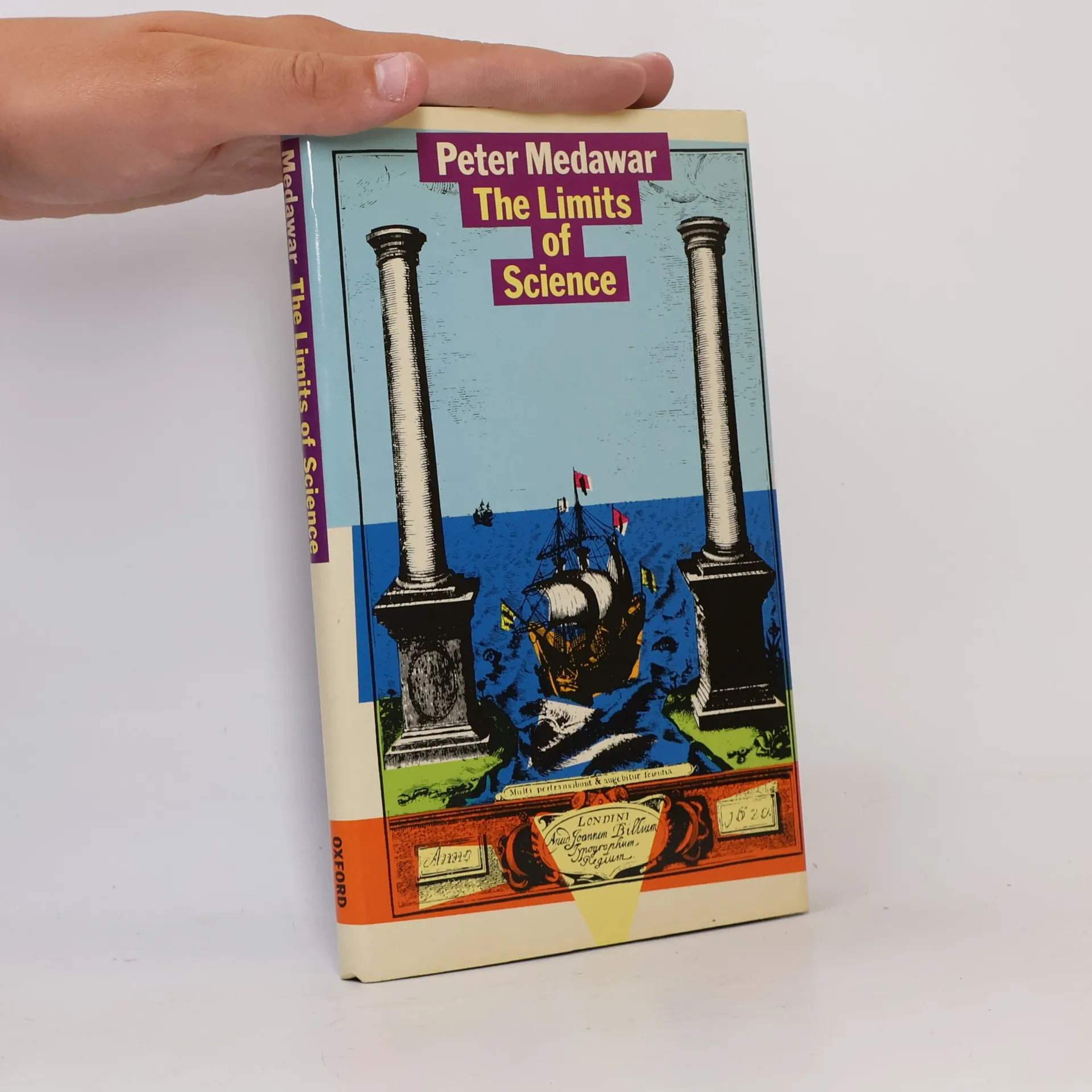
"Science," writes Sir Peter Medawar, "is incomparably the most successful enterprise human beings have ever engaged upon." In this brief yet profound exploration, the Nobel laureate delves into the nature and limitations of scientific pursuit through three insightful essays. He addresses monumental questions: Can science determine the existence of God? Is there a singular "scientific method" to uncover the universe's secrets? In "An Essay on Scians," Medawar challenges the notion that science is purely inductive, asserting that significant imaginative leaps are essential for uncovering the laws of nature, akin to the creativity of poets and artists. He firmly answers "no" to whether scientific discovery can be premeditated, emphasizing the role of luck in scientific history, citing examples like X-rays and myasthenia gravis. In the title essay, he differentiates between "transcendent" questions best suited for religion and literature, and inquiries into the material universe's organization. Medawar concludes that while there are no limits to scientific achievement, the greatest glory of science lies in the potential to accomplish anything possible in principle, given a resolute and sustained intention.
Zakup książki
The Limits of Science, Peter B. Medawar
- Język

- Rok wydania
- 1984
- Oprawa
- (twarda)
Metody płatności
Nikt jeszcze nie ocenił.
- Tytuł
- The Limits of Science
- Język
- angielski
- Autorzy
- Peter B. Medawar
- Wydawca
- Oxford University Press
- Rok wydania
- 1984
- Oprawa
- twarda
- Liczba stron
- 108
- ISBN10
- 0192177443
- ISBN13
- 9780192177445
- Seria
- Kategorie
- Tagi
- Nauki przyrodnicze, Nauka
- Opis
- "Science," writes Sir Peter Medawar, "is incomparably the most successful enterprise human beings have ever engaged upon." In this brief yet profound exploration, the Nobel laureate delves into the nature and limitations of scientific pursuit through three insightful essays. He addresses monumental questions: Can science determine the existence of God? Is there a singular "scientific method" to uncover the universe's secrets? In "An Essay on Scians," Medawar challenges the notion that science is purely inductive, asserting that significant imaginative leaps are essential for uncovering the laws of nature, akin to the creativity of poets and artists. He firmly answers "no" to whether scientific discovery can be premeditated, emphasizing the role of luck in scientific history, citing examples like X-rays and myasthenia gravis. In the title essay, he differentiates between "transcendent" questions best suited for religion and literature, and inquiries into the material universe's organization. Medawar concludes that while there are no limits to scientific achievement, the greatest glory of science lies in the potential to accomplish anything possible in principle, given a resolute and sustained intention.