



Więcej o książce
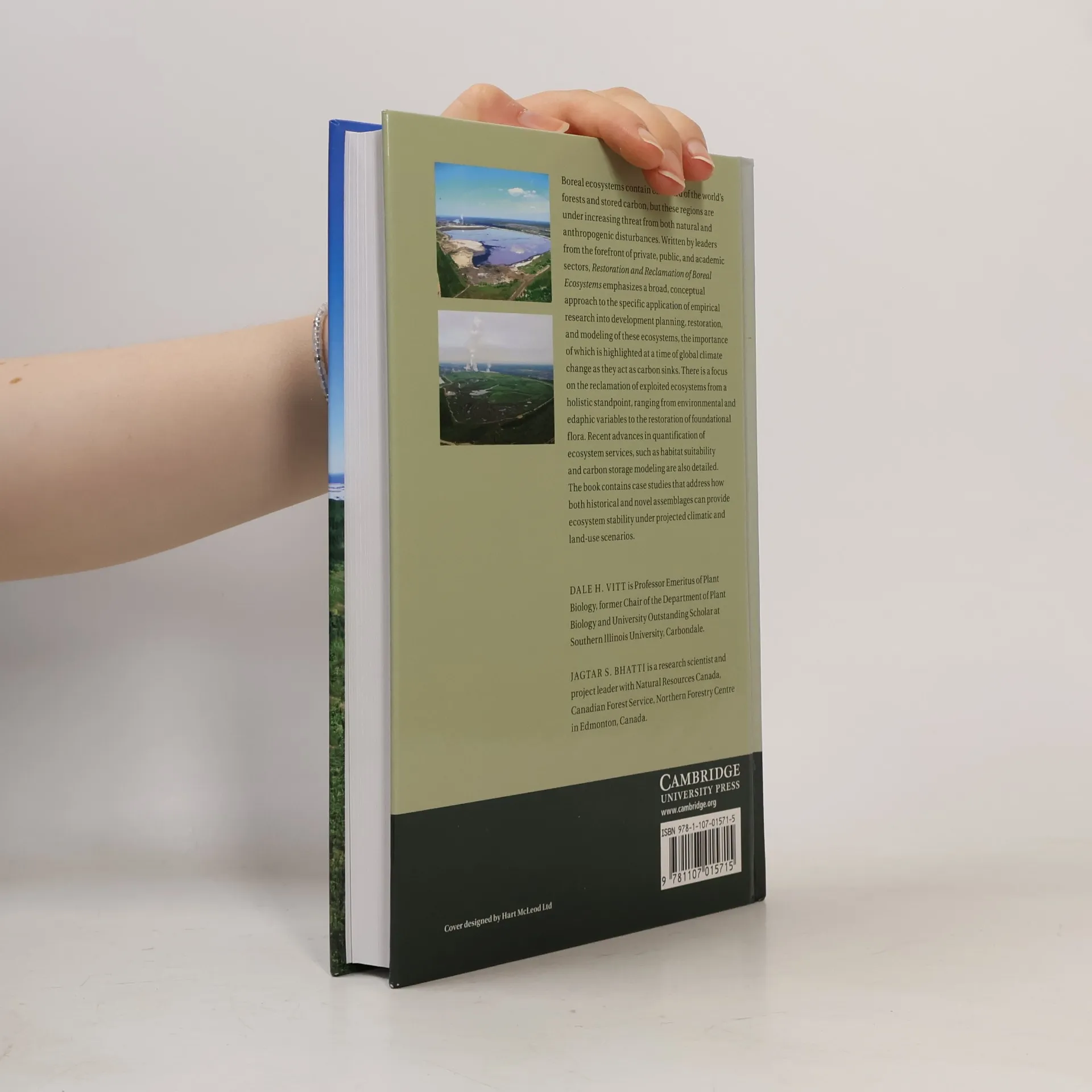
Boreal ecosystems contain one-third of the world's forests and stored carbon, but these regions are under increasing threat from both natural and anthropogenic disturbances. Written by leaders from the forefront of private, public and academic sectors, Restoration and Reclamation of Boreal Ecosystems emphasises a broad, conceptual approach to the specific application of empirical research into development planning, restoration and modelling of these ecosystems. The importance of this is highlighted at a time of global climate change, as these ecosystems act as carbon sinks. There is a focus on the reclamation of exploited ecosystems from a holistic standpoint, ranging from environmental and edaphic variables to the restoration of keystone flora. Recent advances in quantification of ecosystem services, such as habitat suitability and carbon storage modelling, are also detailed. The book contains case-studies which address how both historical and novel assemblages can provide ecosystem stability under projected climatic and land-use scenarios.
Zakup książki
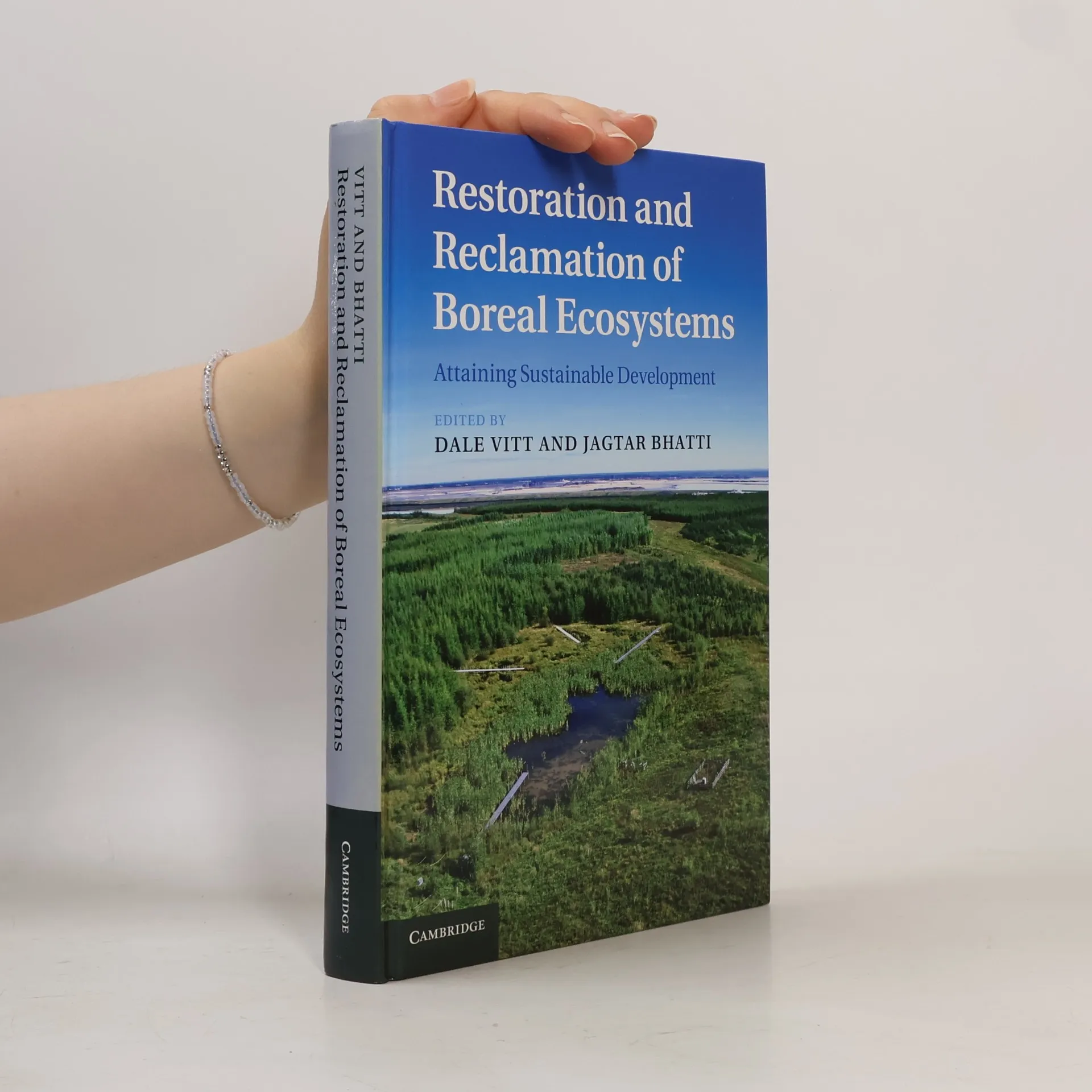
Restoration and Reclamation of Boreal Ecosystems, Dale H. Vitt, Jagtar S. Bhatti
- Język

- Rok wydania
- 2012
- Oprawa
- (twarda),
- Stan książki
- Uszkodzony
- Cena
- 128,72 zł
Metody płatności
Nikt jeszcze nie ocenił.
- Tytuł
- Restoration and Reclamation of Boreal Ecosystems
- Podtytuł
- Attaining Sustainable Development
- Język
- angielski
- Autorzy
- Dale H. Vitt, Jagtar S. Bhatti
- Wydawca
- Cambridge University Press
- Rok wydania
- 2012
- Oprawa
- twarda
- Liczba stron
- 424
- ISBN10
- 1107015715
- ISBN13
- 9781107015715
- Seria
- Opis
- Boreal ecosystems contain one-third of the world's forests and stored carbon, but these regions are under increasing threat from both natural and anthropogenic disturbances. Written by leaders from the forefront of private, public and academic sectors, Restoration and Reclamation of Boreal Ecosystems emphasises a broad, conceptual approach to the specific application of empirical research into development planning, restoration and modelling of these ecosystems. The importance of this is highlighted at a time of global climate change, as these ecosystems act as carbon sinks. There is a focus on the reclamation of exploited ecosystems from a holistic standpoint, ranging from environmental and edaphic variables to the restoration of keystone flora. Recent advances in quantification of ecosystem services, such as habitat suitability and carbon storage modelling, are also detailed. The book contains case-studies which address how both historical and novel assemblages can provide ecosystem stability under projected climatic and land-use scenarios.