

Parametry
- 40 stron
- 2 godziny czytania
Więcej o książce
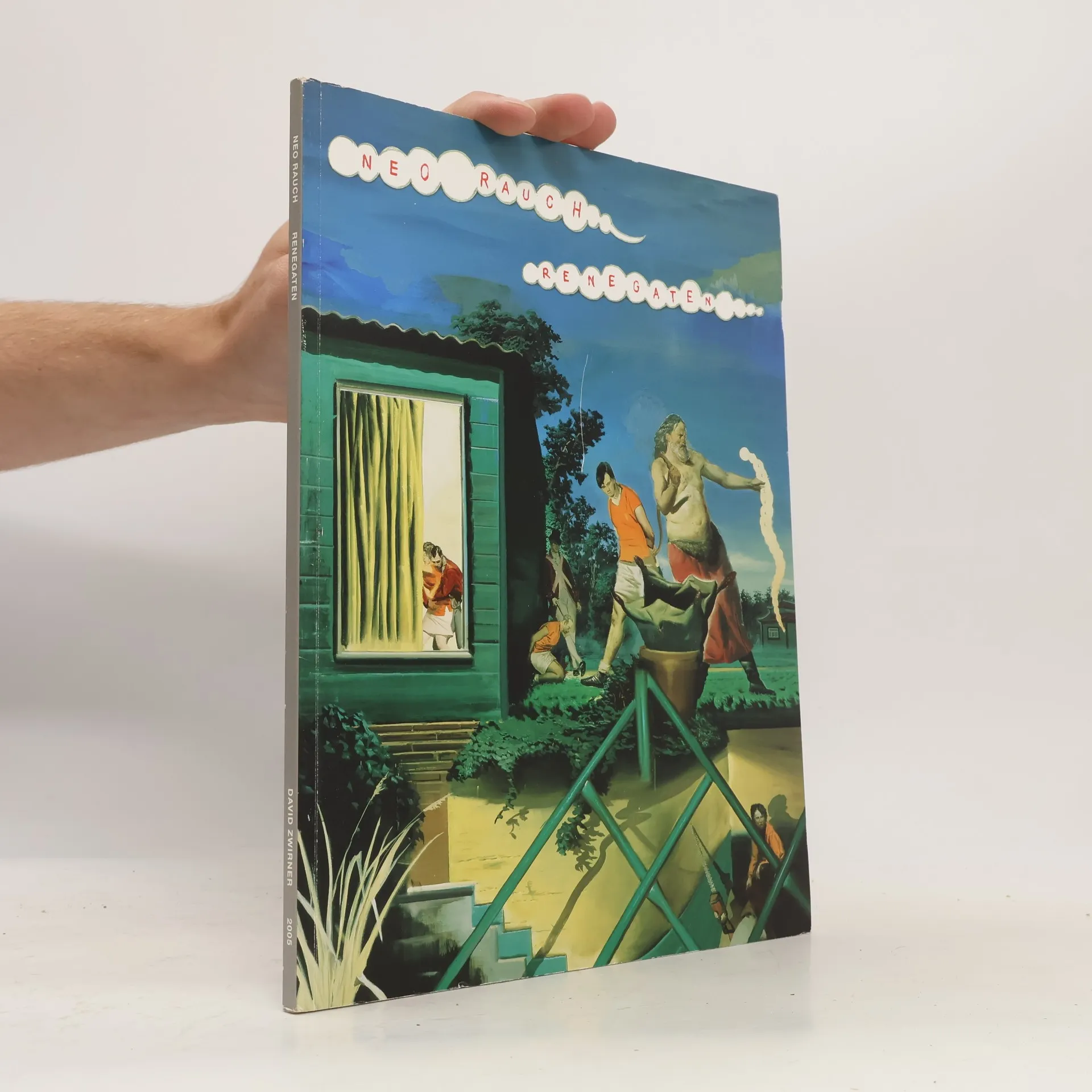
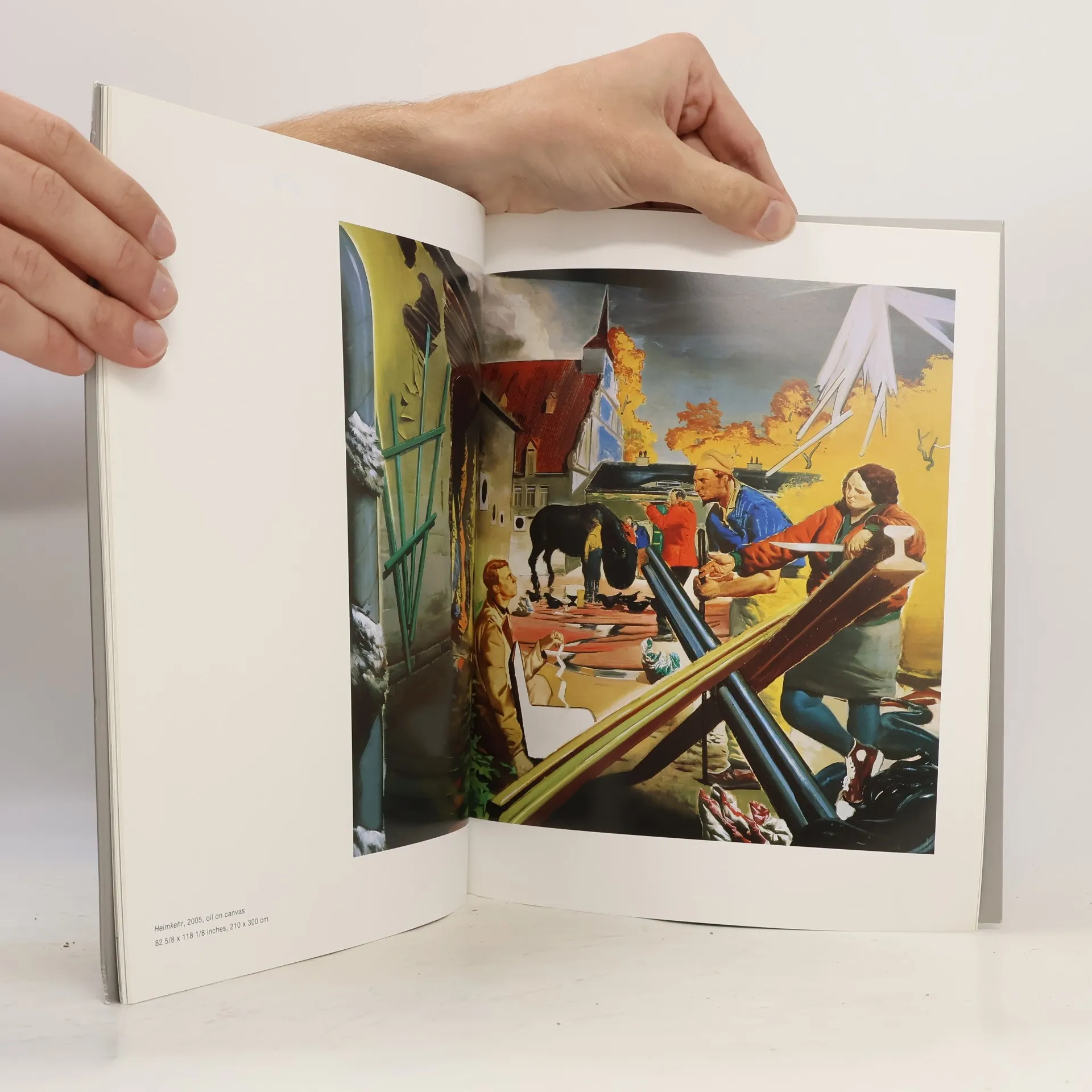
Educated at the Leipzig Academy by the old school of Social Realist painters, Neo Rauch has emerged as one of its most influential graduates. His work blends industrial symbolism, painterly figuration, and a unique form of Neo-Romanticism, shaped by his experiences with Communist-era advertising in East Germany. This environment of constant fear has significantly influenced his art. The juxtaposition of a proletarian ethic with stoic inactivity gives his paintings a timeless quality. Many compositions feature athletic figures engaged in labor, set against architectural elements, futuristic yet oddly old-fashioned industrial devices, and desolate landscapes. Characters are introduced through vignettes, with their tasks illustrated by props like tools and books. More ambiguous images exist within these scenes, pushing narratives into unfamiliar realms. Each element, whether cartoonish or realistic, is balanced by political and visual authenticity, showcasing the artist's technical prowess and deep connection to his vernacular. Rauch's interest in figures and work-related props allows for formal exploration, reflecting the properties of paint itself. For instance, paint draped over an arm or a rake dragged through grass blurs the line between object and reference to the artist's materials. In Lösung (2005), a series of events unfolds around a window of a flat-roofed home, featuring a couple behind a curtain and multiple simultane
Zakup książki
Neo Rauch, Neo Rauch, Christine Mehring, Amy Baumann, Hanna Schouwink
- Język

- Rok wydania
- 2005
- Oprawa
- (miękka)
Metody płatności
Nikt jeszcze nie ocenił.
- Tytuł
- Neo Rauch
- Podtytuł
- Renegaten
- Język
- angielski
- Autorzy
- Neo Rauch, Christine Mehring, Amy Baumann, Hanna Schouwink
- Wydawca
- David Zwirner
- Rok wydania
- 2005
- Oprawa
- miękka
- Liczba stron
- 40
- ISBN10
- 0976913607
- ISBN13
- 9780976913603
- Seria
- Kategorie
- Opis
- Educated at the Leipzig Academy by the old school of Social Realist painters, Neo Rauch has emerged as one of its most influential graduates. His work blends industrial symbolism, painterly figuration, and a unique form of Neo-Romanticism, shaped by his experiences with Communist-era advertising in East Germany. This environment of constant fear has significantly influenced his art. The juxtaposition of a proletarian ethic with stoic inactivity gives his paintings a timeless quality. Many compositions feature athletic figures engaged in labor, set against architectural elements, futuristic yet oddly old-fashioned industrial devices, and desolate landscapes. Characters are introduced through vignettes, with their tasks illustrated by props like tools and books. More ambiguous images exist within these scenes, pushing narratives into unfamiliar realms. Each element, whether cartoonish or realistic, is balanced by political and visual authenticity, showcasing the artist's technical prowess and deep connection to his vernacular. Rauch's interest in figures and work-related props allows for formal exploration, reflecting the properties of paint itself. For instance, paint draped over an arm or a rake dragged through grass blurs the line between object and reference to the artist's materials. In Lösung (2005), a series of events unfolds around a window of a flat-roofed home, featuring a couple behind a curtain and multiple simultane