

Parametry
- 248 stron
- 9 godzin czytania
Więcej o książce
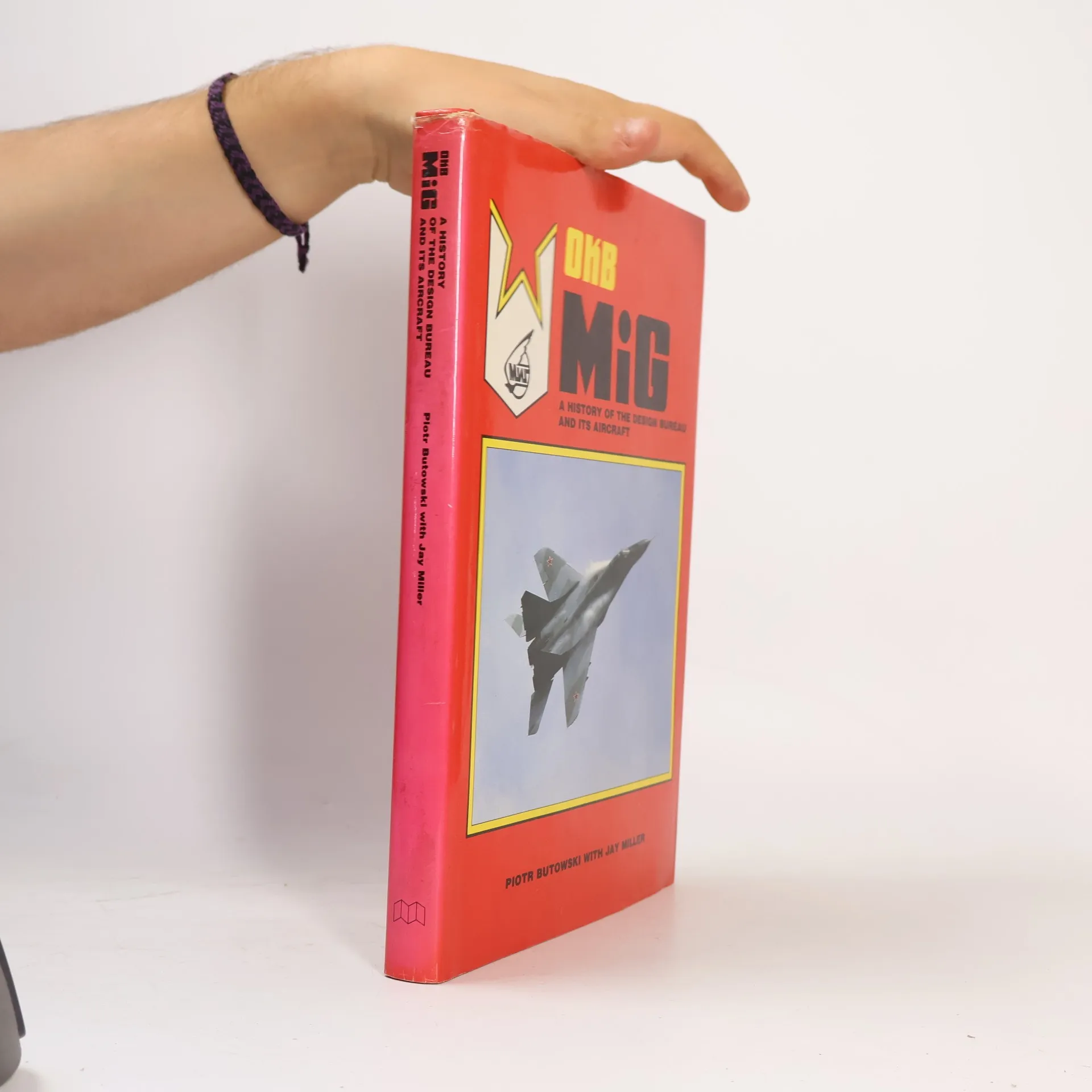
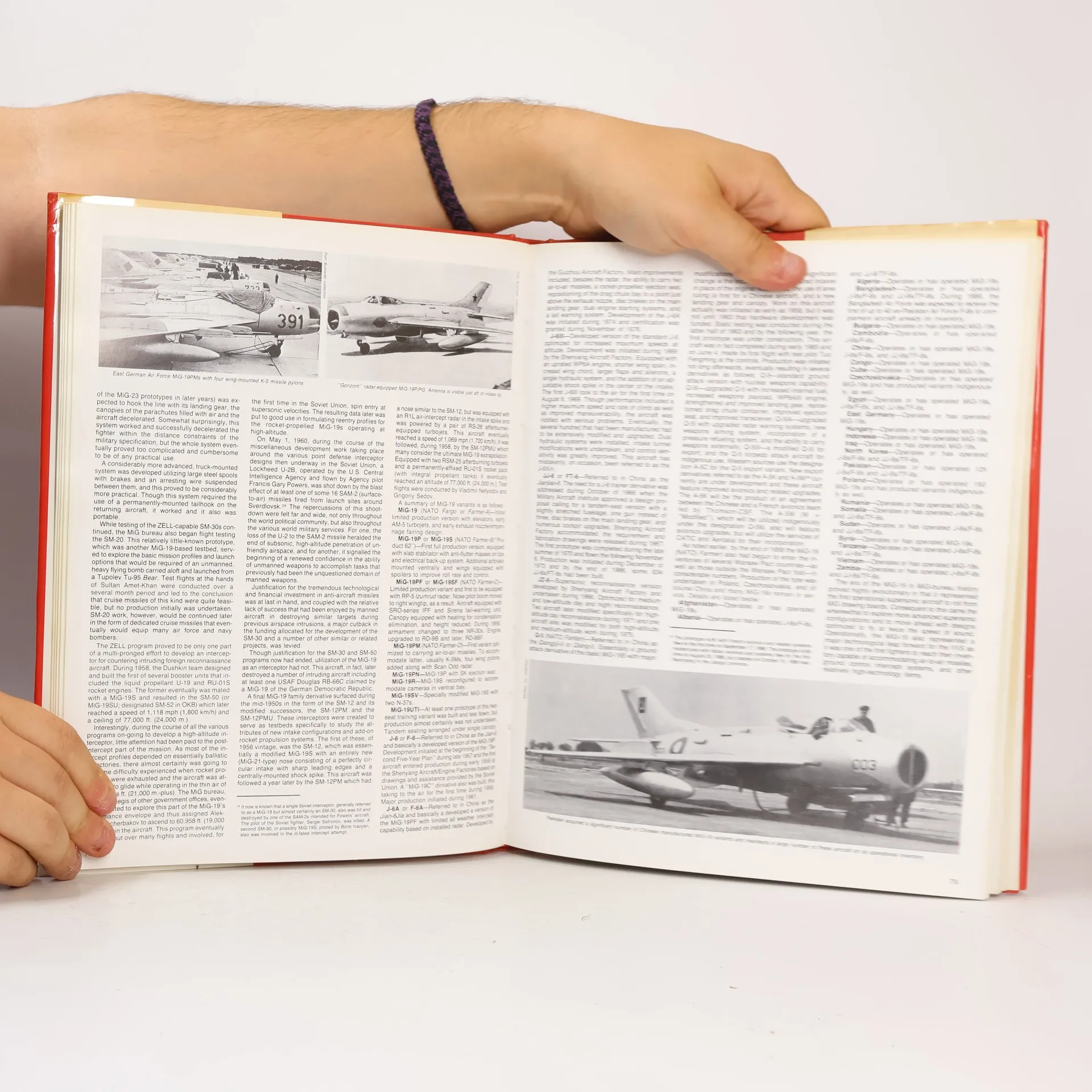
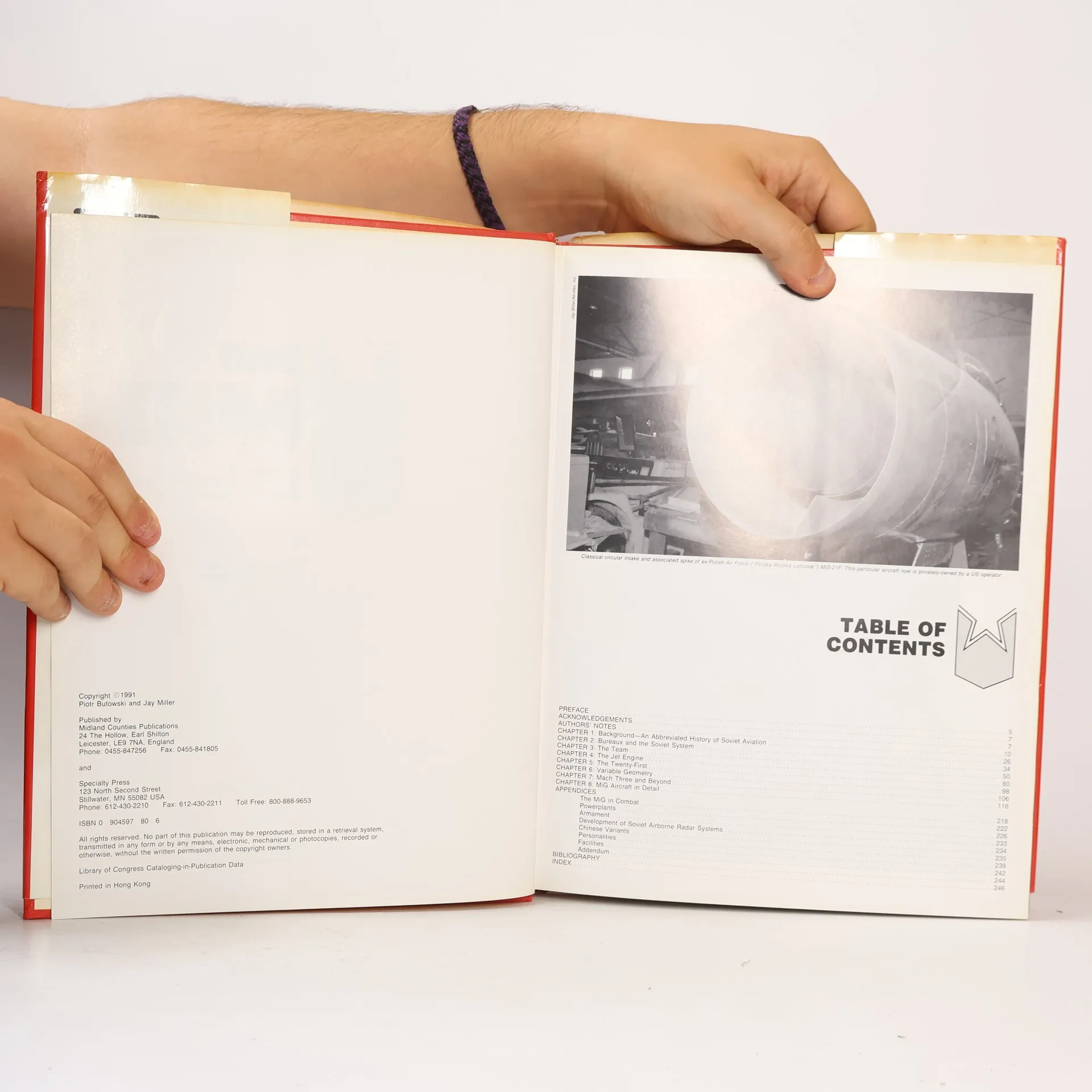
Following the formal birth of their design bureau in 1939, the Mikoyan and Gurevich design team ascended with extraordinary rapidity into the ranks of the aerospace elite. This meteoric rise was not without justification, as their perseverance had resulted in the development of a number of truly exceptional fighters in an environment that would have defeated a less tenacious pair in short order. Beginning with the MiG-1 and MiG-3 piston engine fighters, their work consistently represented the state-of-the art in the Soviet Union for some four decades and did not end with their respective deaths in 1970 and 1976. Talented engineers such as Rostislav Belyakov were quick to fill the voids left by their mentors, and as result, the legacy of excellence continues. This is the culmination of many years' research. It is a complete and thorough textual and photographic history of this most-admired of Society fighter design teams, and includes highly detailed and authoritative historical and technical data describing every known MiG aircraft and missile. Additionally, brief but thorough biographical sketches are provided on a variety of MiG bureau personalities, and early chapters include significant insight into the Soviet system of hardware acquisition and development.
Zakup książki
OKB MiG, Piotr Butowski, Jay Miller
- Język

- Rok wydania
- 1991
- Oprawa
- (twarda)
Metody płatności
Nikt jeszcze nie ocenił.
- Tytuł
- OKB MiG
- Podtytuł
- A History of the Design Bureau and Its Aircraft
- Język
- angielski
- Autorzy
- Piotr Butowski, Jay Miller
- Rok wydania
- 1991
- Oprawa
- twarda
- Liczba stron
- 248
- ISBN10
- 0904597806
- ISBN13
- 9780904597806
- Seria
- Opis
- Following the formal birth of their design bureau in 1939, the Mikoyan and Gurevich design team ascended with extraordinary rapidity into the ranks of the aerospace elite. This meteoric rise was not without justification, as their perseverance had resulted in the development of a number of truly exceptional fighters in an environment that would have defeated a less tenacious pair in short order. Beginning with the MiG-1 and MiG-3 piston engine fighters, their work consistently represented the state-of-the art in the Soviet Union for some four decades and did not end with their respective deaths in 1970 and 1976. Talented engineers such as Rostislav Belyakov were quick to fill the voids left by their mentors, and as result, the legacy of excellence continues. This is the culmination of many years' research. It is a complete and thorough textual and photographic history of this most-admired of Society fighter design teams, and includes highly detailed and authoritative historical and technical data describing every known MiG aircraft and missile. Additionally, brief but thorough biographical sketches are provided on a variety of MiG bureau personalities, and early chapters include significant insight into the Soviet system of hardware acquisition and development.