

Więcej o książce
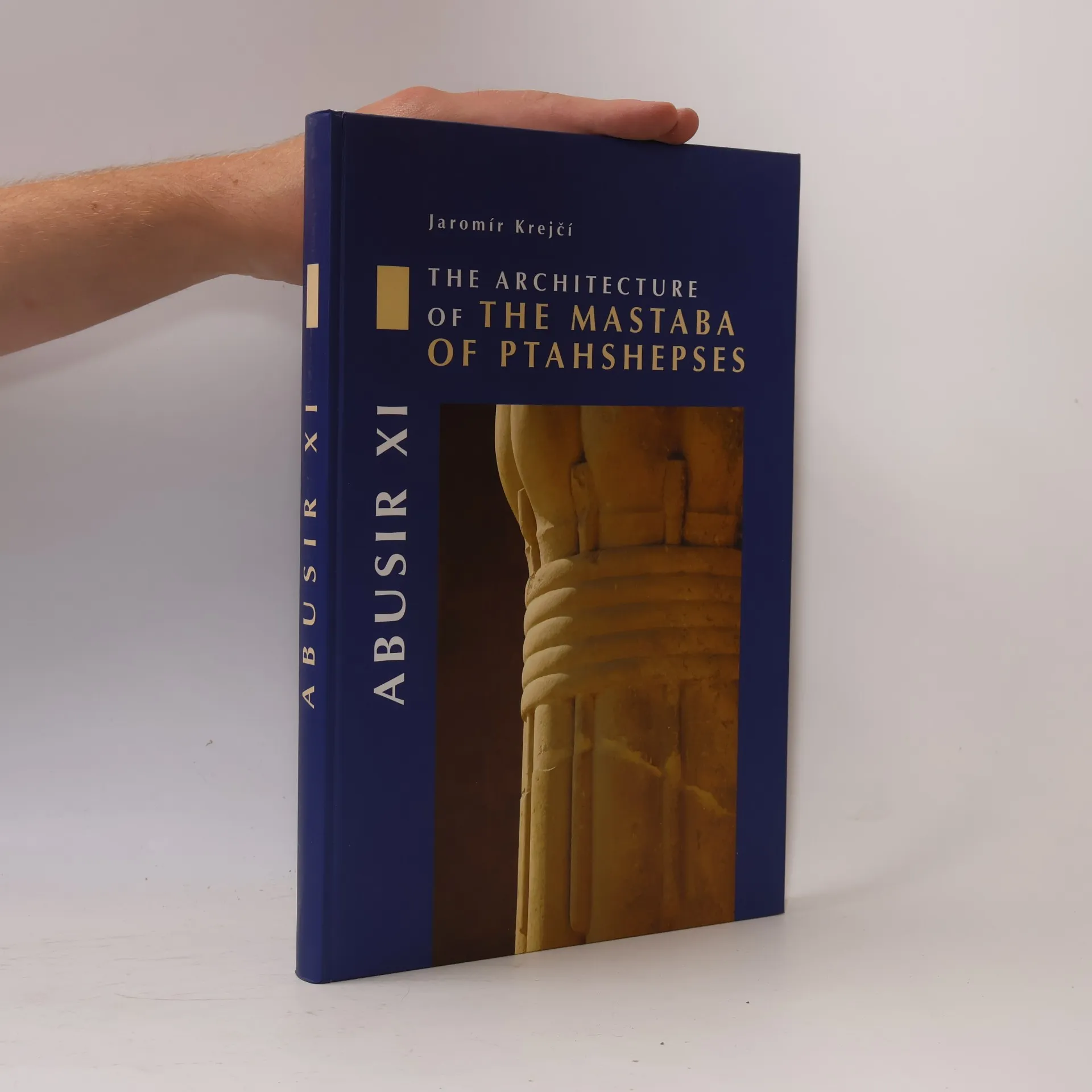
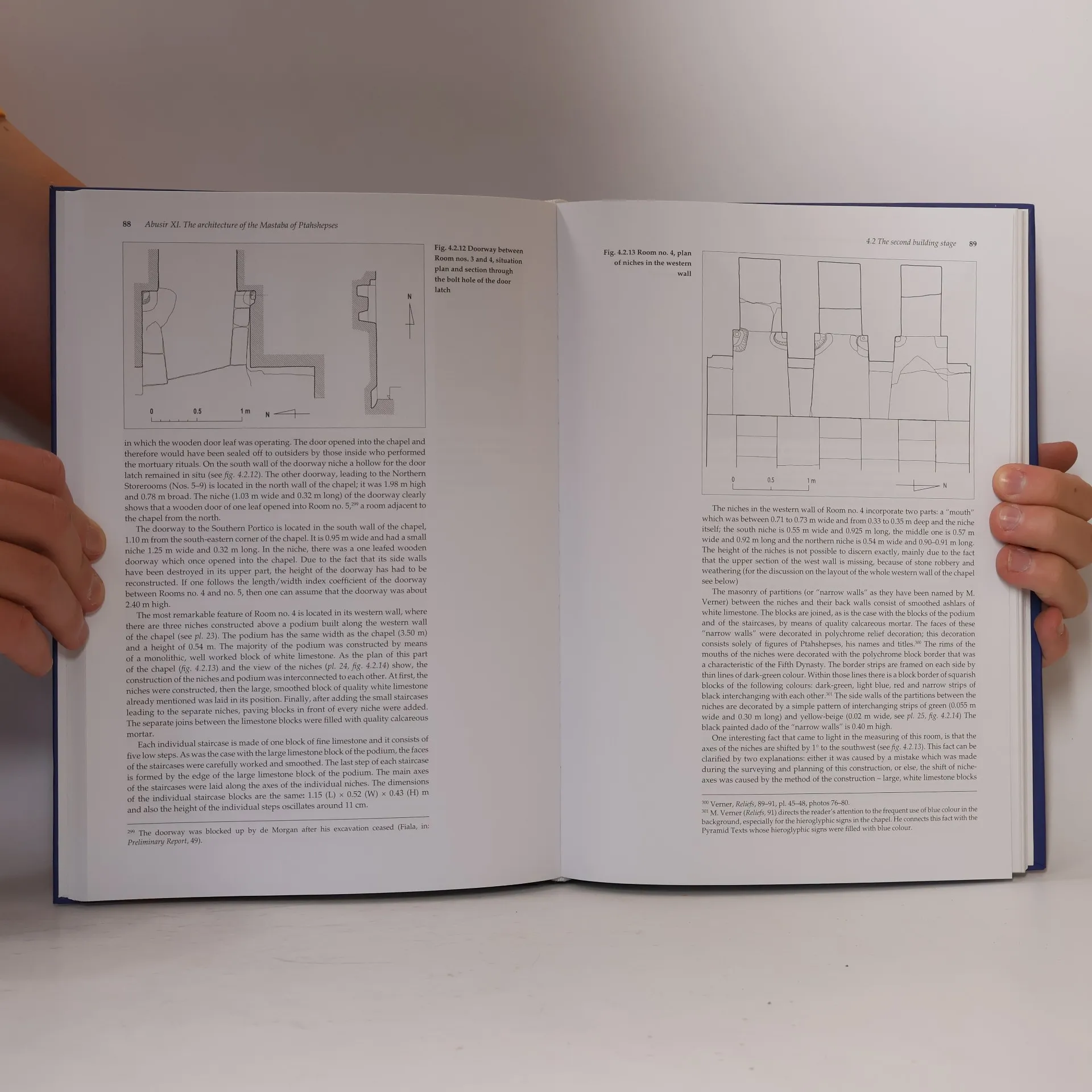
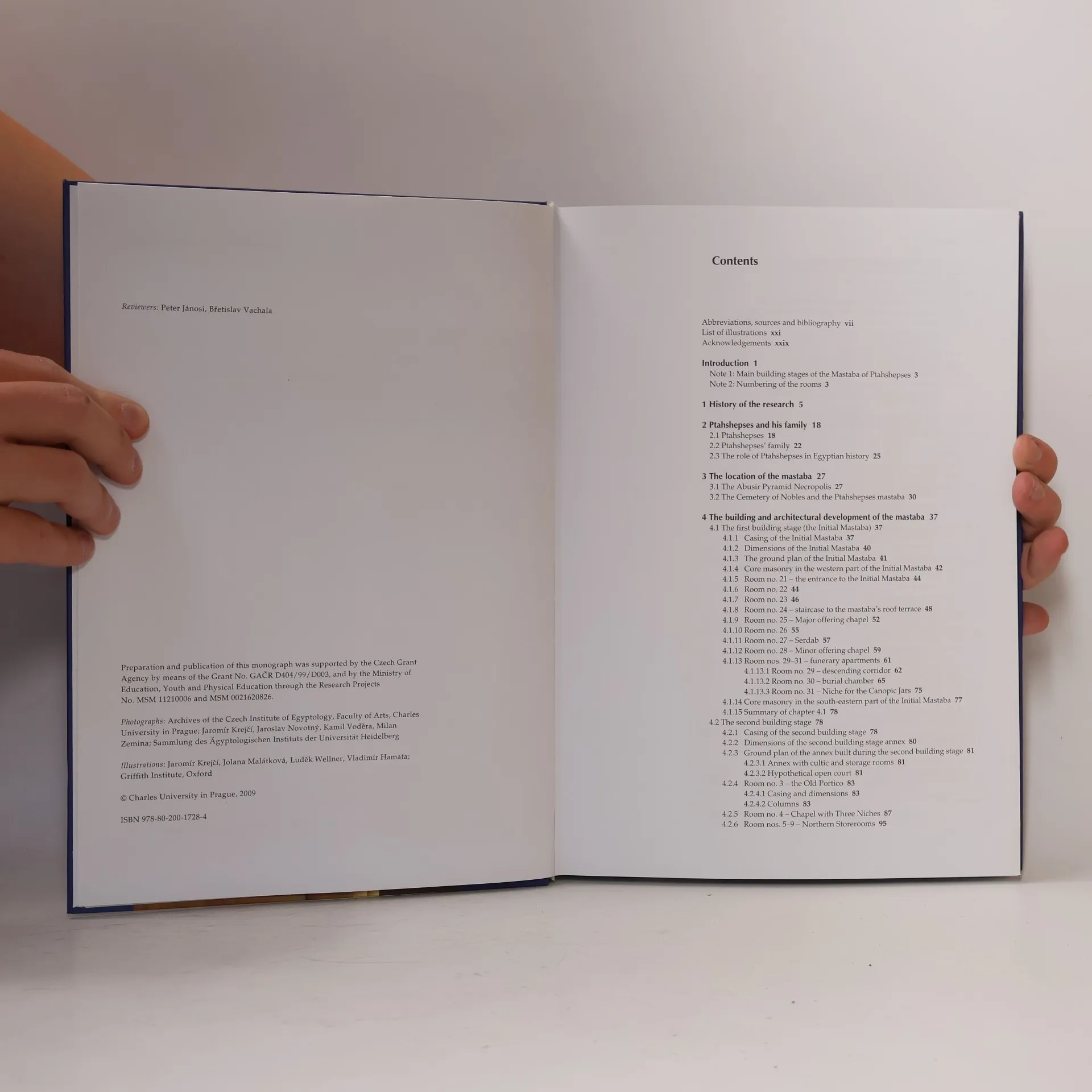
The results of the long-lasting archaeological exploration of the mastaba of Ptahshepses, one of the largest nonroyal Old Kingdom tombs, will be published in this volume. The book will deal primarily with the survey of the complex architecture of this funerary monument, paying attention to all important features of this in many respects unique building. The aspects of its architectural development will be described and analysed in the context of the development of both royal and nonroyal mortuary architecture of the second half of the Egyptian Old Kingdom. The functions and related religious aspects of the architectural elements of this tomb will be discussed. The vast tomb of Vizier Ptahshepses represents the first attestation of the long tradition of constructions of the nonroyal "mortuary temples" which lasted down to the Late period.
Zakup książki
Abusir XI, Jaromír Krejčí
- Język

- Rok wydania
- 2009
- Oprawa
- (twarda),
- Stan książki
- Bardzo dobry
- Cena
- 258,89 zł
Metody płatności
Nikt jeszcze nie ocenił.
- Tytuł
- Abusir XI
- Podtytuł
- The Architecture of the Mastaba of Ptahshepses
- Język
- angielski
- Autorzy
- Jaromír Krejčí
- Rok wydania
- 2009
- Oprawa
- twarda
- Liczba stron
- 191
- ISBN10
- 8020017283
- ISBN13
- 9788020017284
- Seria
- Opis
- The results of the long-lasting archaeological exploration of the mastaba of Ptahshepses, one of the largest nonroyal Old Kingdom tombs, will be published in this volume. The book will deal primarily with the survey of the complex architecture of this funerary monument, paying attention to all important features of this in many respects unique building. The aspects of its architectural development will be described and analysed in the context of the development of both royal and nonroyal mortuary architecture of the second half of the Egyptian Old Kingdom. The functions and related religious aspects of the architectural elements of this tomb will be discussed. The vast tomb of Vizier Ptahshepses represents the first attestation of the long tradition of constructions of the nonroyal "mortuary temples" which lasted down to the Late period.