

Więcej o książce
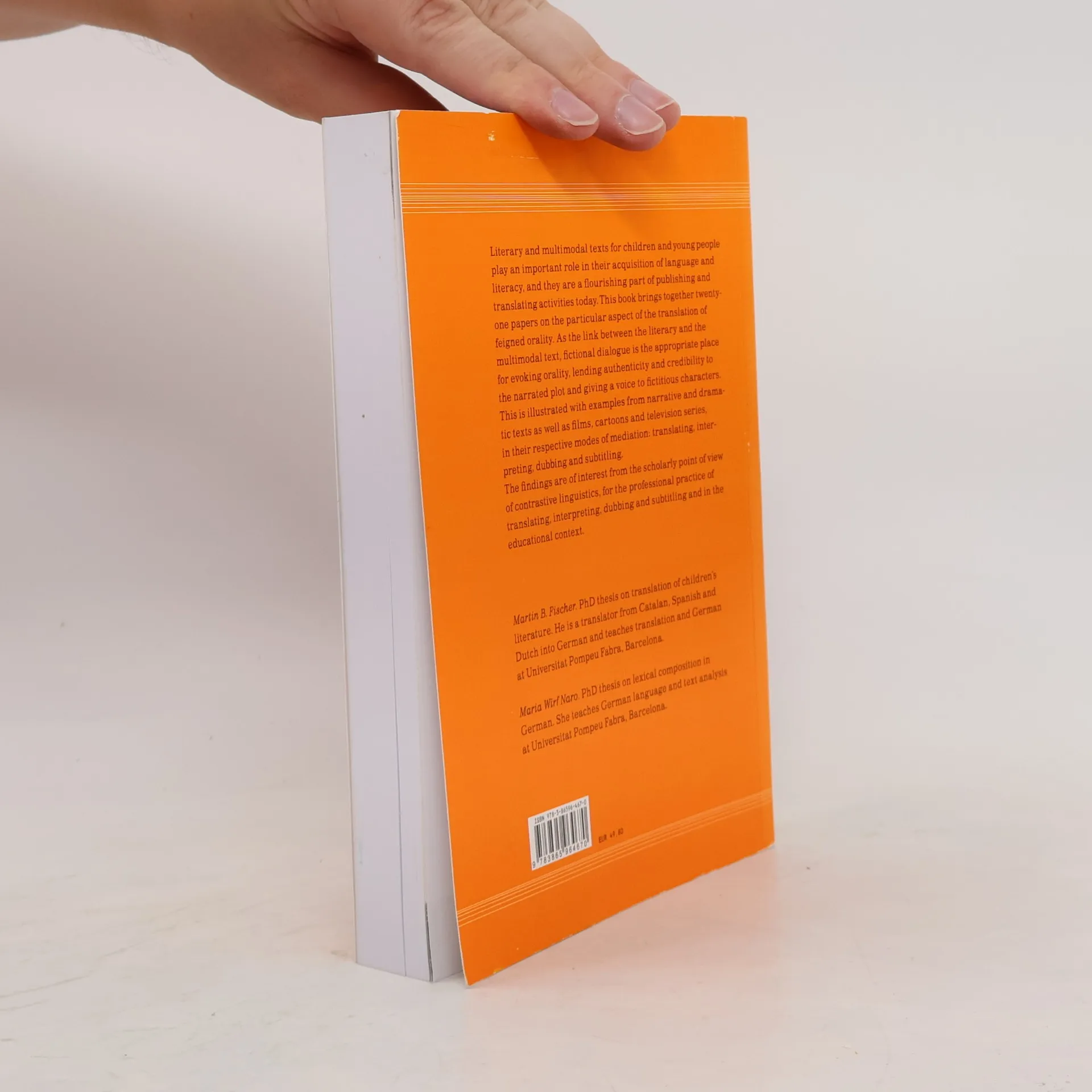
Literary and multimodal texts for children and young people play an important role in their acquisition of language and literacy, and they are a flourishing part of publishing and translating activities today. This book brings together twentyone papers on the particular aspect of the translation of feigned orality. As the link between the literary and the multimodal text, fictional dialogue is the appropriate place for evoking orality, lending authenticity and credibility to the narrated plot and giving a voice to fictitious characters. This is illustrated with examples from narrative and dramatic texts as well as films, cartoons and television series, in their respective modes of mediation: translating, interpreting, dubbing and subtitling. The findings are of interest from the scholarly point of view of contrastive linguistics, for the professional practice of translating, interpreting, dubbing and subtitling and in the educational context.
Zakup książki
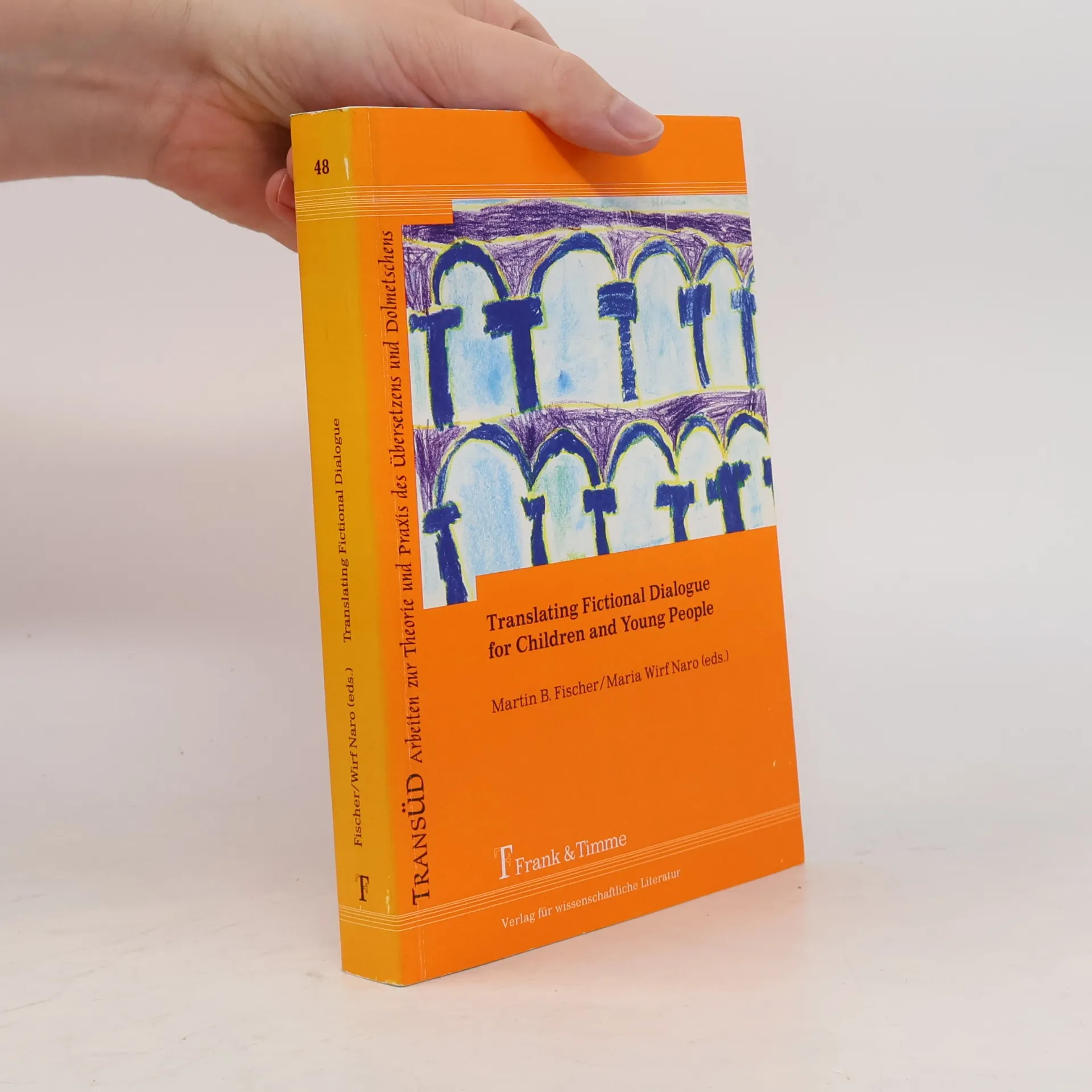
Translating fictional dialogue for children and young people, Martin B. Fischer
- Język

- Rok wydania
- 2012
- Oprawa
- (miękka),
- Stan książki
- Dobry
- Cena
- 139,18 zł
Metody płatności
Nikt jeszcze nie ocenił.
- Tytuł
- Translating fictional dialogue for children and young people
- Język
- angielski
- Autorzy
- Martin B. Fischer
- Wydawca
- Frank & Timme
- Rok wydania
- 2012
- Oprawa
- miękka
- Liczba stron
- 414
- ISBN10
- 3865964672
- ISBN13
- 9783865964670
- Seria
- Kategorie
- Opis
- Literary and multimodal texts for children and young people play an important role in their acquisition of language and literacy, and they are a flourishing part of publishing and translating activities today. This book brings together twentyone papers on the particular aspect of the translation of feigned orality. As the link between the literary and the multimodal text, fictional dialogue is the appropriate place for evoking orality, lending authenticity and credibility to the narrated plot and giving a voice to fictitious characters. This is illustrated with examples from narrative and dramatic texts as well as films, cartoons and television series, in their respective modes of mediation: translating, interpreting, dubbing and subtitling. The findings are of interest from the scholarly point of view of contrastive linguistics, for the professional practice of translating, interpreting, dubbing and subtitling and in the educational context.