




Więcej o książce
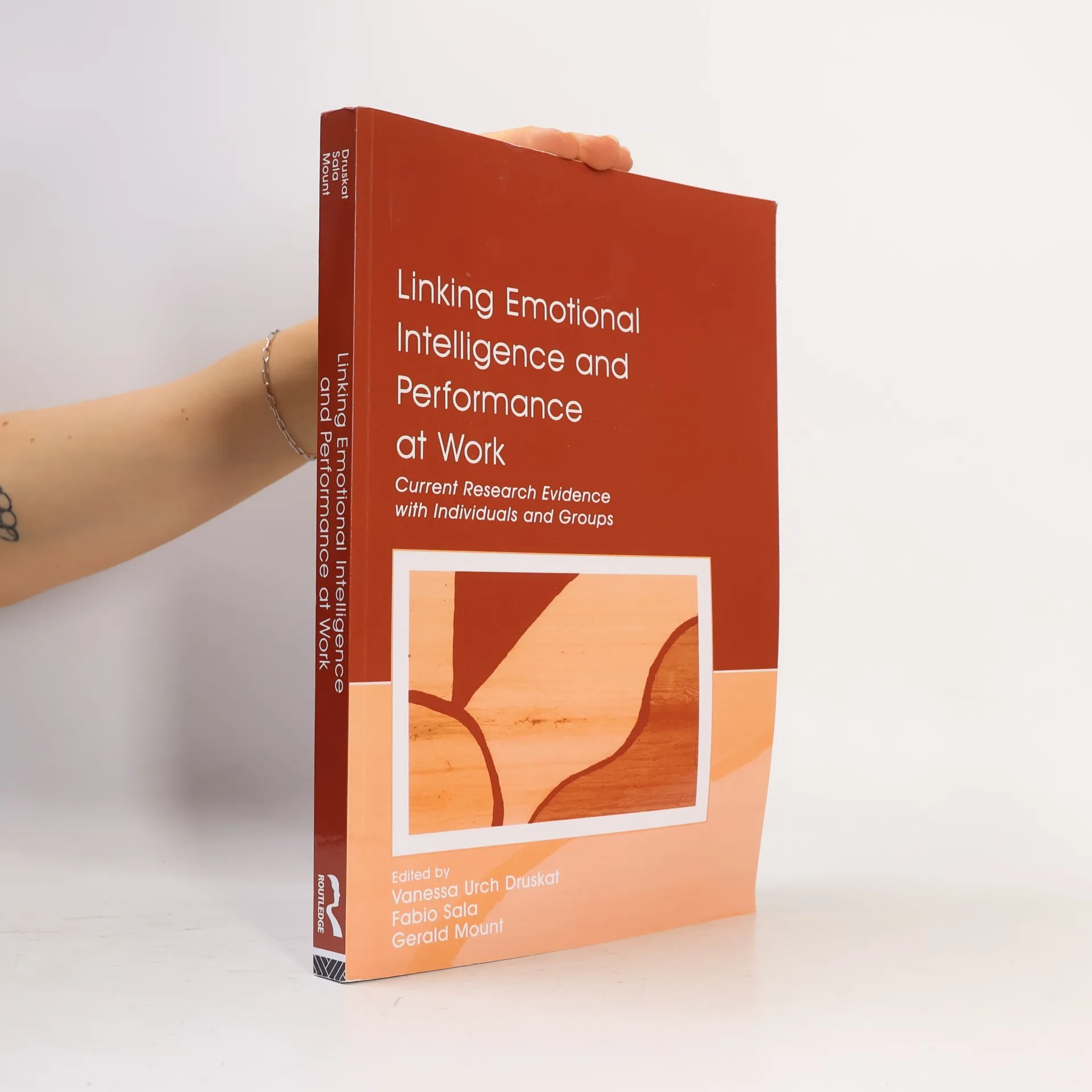
In this edited volume, leading edge researchers discuss the link between Emotional Intelligence (EI) and workplace performance. Contributors from many areas such as social science, management (including organizational practitioners), and psychologists have come together to develop a better understanding of how EI can influence work performance, and whether research supports it. A unique feature of this book is that it integrates the work of social scientists and organizational practitioners. Their mutual interests in EI provide a unique opportunity for basic and applied research and practices to learn from one another in order to continually refine and advance knowledge on EI. The primary audience for this book is researchers, teachers, and students of psychology, management, and organizational behavior. Due to its clear practical applications to the workplace, it will also be of interest to organizational consultants and human resource practitioners.
Zakup książki
Linking Emotional Intelligence and Performance at Work, Fabio Sala, Gerald Mount, Vanessa Urch Druskat
- Język

- Rok wydania
- 2013
- Oprawa
- (miękka),
- Stan książki
- Dobry
- Cena
- 28,35 zł
Metody płatności
Nikt jeszcze nie ocenił.
- Tytuł
- Linking Emotional Intelligence and Performance at Work
- Podtytuł
- Current Research Evidence With Individuals and Groups
- Język
- angielski
- Autorzy
- Fabio Sala, Gerald Mount, Vanessa Urch Druskat
- Wydawca
- Routledge
- Rok wydania
- 2013
- Oprawa
- miękka
- Liczba stron
- 340
- ISBN10
- 0805850740
- ISBN13
- 9780805850741
- Seria
- Opis
- In this edited volume, leading edge researchers discuss the link between Emotional Intelligence (EI) and workplace performance. Contributors from many areas such as social science, management (including organizational practitioners), and psychologists have come together to develop a better understanding of how EI can influence work performance, and whether research supports it. A unique feature of this book is that it integrates the work of social scientists and organizational practitioners. Their mutual interests in EI provide a unique opportunity for basic and applied research and practices to learn from one another in order to continually refine and advance knowledge on EI. The primary audience for this book is researchers, teachers, and students of psychology, management, and organizational behavior. Due to its clear practical applications to the workplace, it will also be of interest to organizational consultants and human resource practitioners.