

Parametry
- 291 stron
- 11 godzin czytania
Więcej o książce
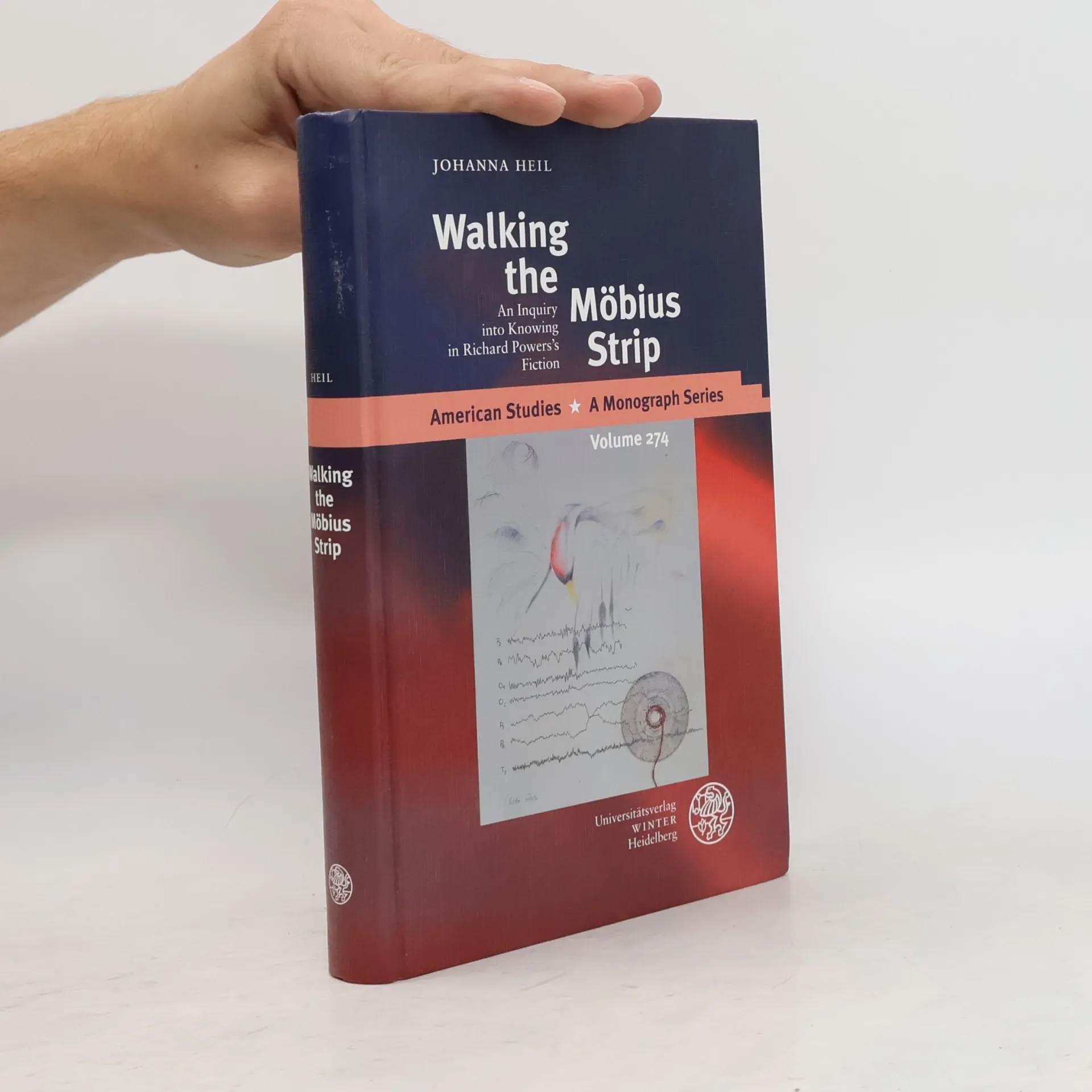
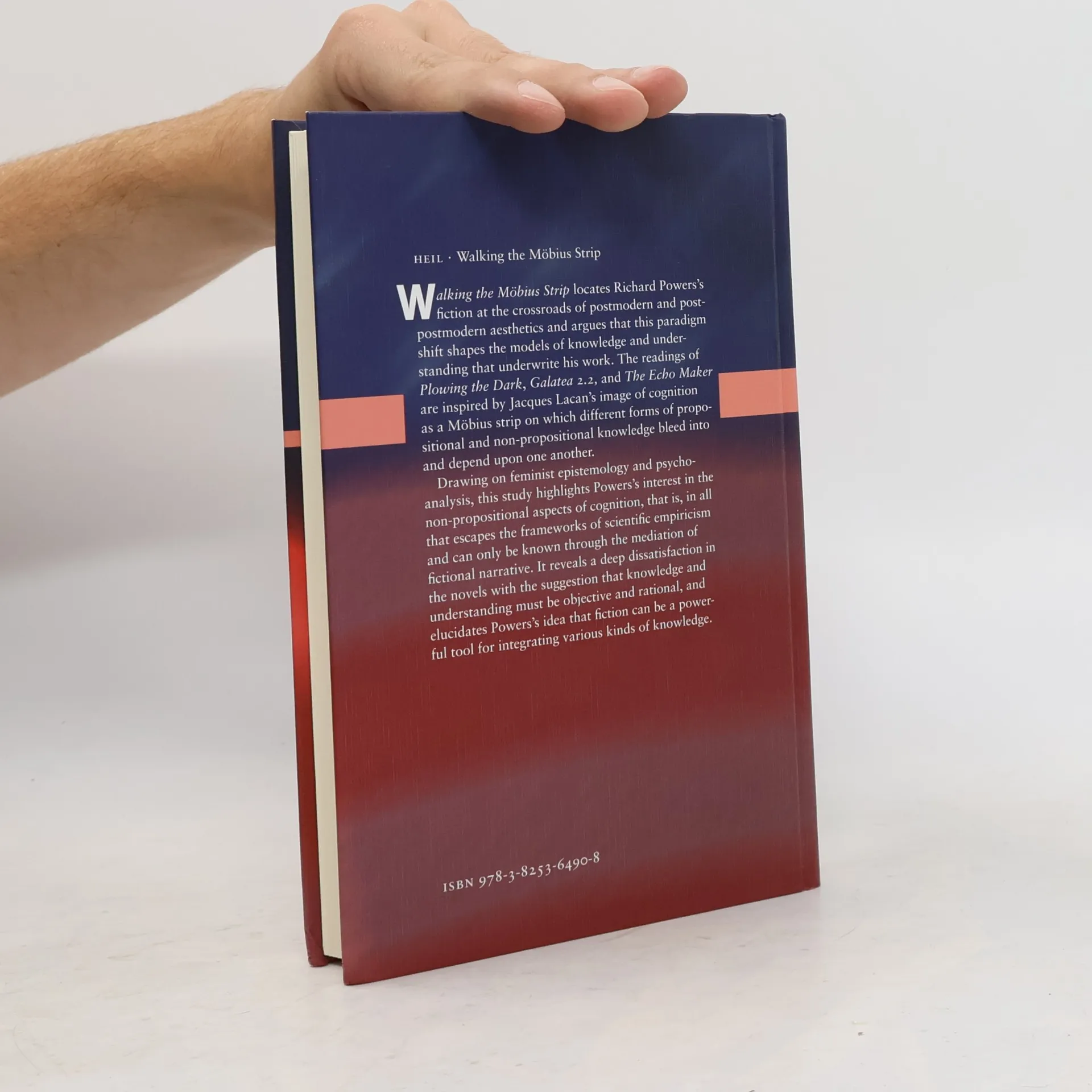
‘Walking the Möbius Strip’ locates Richard Powers’s fiction at the crossroads of postmodern and post-postmodern aesthetics and argues that this paradigm shift shapes the models of knowledge and understanding that underwrite his work. The readings of ‘Plowing the Dark’, ‘Galatea 2.2’, and ‘The Echo Maker’ are inspired by Jacques Lacan’s image of cognition as a Möbius strip on which different forms of propositional and non-propositional knowledge bleed into and depend upon one another. Drawing on feminist epistemology and psychoanalysis, this study highlights Powers’s interest in the non-propositional aspects of cognition, that is, in all that escapes the frameworks of scientific empiricism and can only be known through the mediation of fictional narrative. It reveals a deep dissatisfaction in the novels with the suggestion that knowledge and understanding must be objective and rational, and elucidates Powers’s idea that fiction can be a powerful tool for integrating various kinds of knowledge.
Zakup książki
American Studies: A Monograph Series - 274: Walking the Möbius Strip, Johanna Heil
- Język

- Rok wydania
- 2016
- Oprawa
- (twarda),
- Stan książki
- Bardzo dobry
- Cena
- 107,02 zł
Metody płatności
Nikt jeszcze nie ocenił.
- Tytuł
- American Studies: A Monograph Series - 274: Walking the Möbius Strip
- Podtytuł
- An Inquiry into Knowing in Richard Powers’s Fiction
- Język
- angielski
- Autorzy
- Johanna Heil
- Wydawca
- Universitätsverlag Winter
- Rok wydania
- 2016
- Oprawa
- twarda
- Liczba stron
- 291
- ISBN10
- 3825364909
- ISBN13
- 9783825364908
- Seria
- Kategorie
- Tagi
- Sztuka, Literatura współczesna, Niemcy, USA, XX wiek, Literatura amerykańska, Feminizm, Krytyka literacka, XXI wiek, Literatura postmodernistyczna, Teoria Poznania
- Opis
- ‘Walking the Möbius Strip’ locates Richard Powers’s fiction at the crossroads of postmodern and post-postmodern aesthetics and argues that this paradigm shift shapes the models of knowledge and understanding that underwrite his work. The readings of ‘Plowing the Dark’, ‘Galatea 2.2’, and ‘The Echo Maker’ are inspired by Jacques Lacan’s image of cognition as a Möbius strip on which different forms of propositional and non-propositional knowledge bleed into and depend upon one another. Drawing on feminist epistemology and psychoanalysis, this study highlights Powers’s interest in the non-propositional aspects of cognition, that is, in all that escapes the frameworks of scientific empiricism and can only be known through the mediation of fictional narrative. It reveals a deep dissatisfaction in the novels with the suggestion that knowledge and understanding must be objective and rational, and elucidates Powers’s idea that fiction can be a powerful tool for integrating various kinds of knowledge.