


Więcej o książce
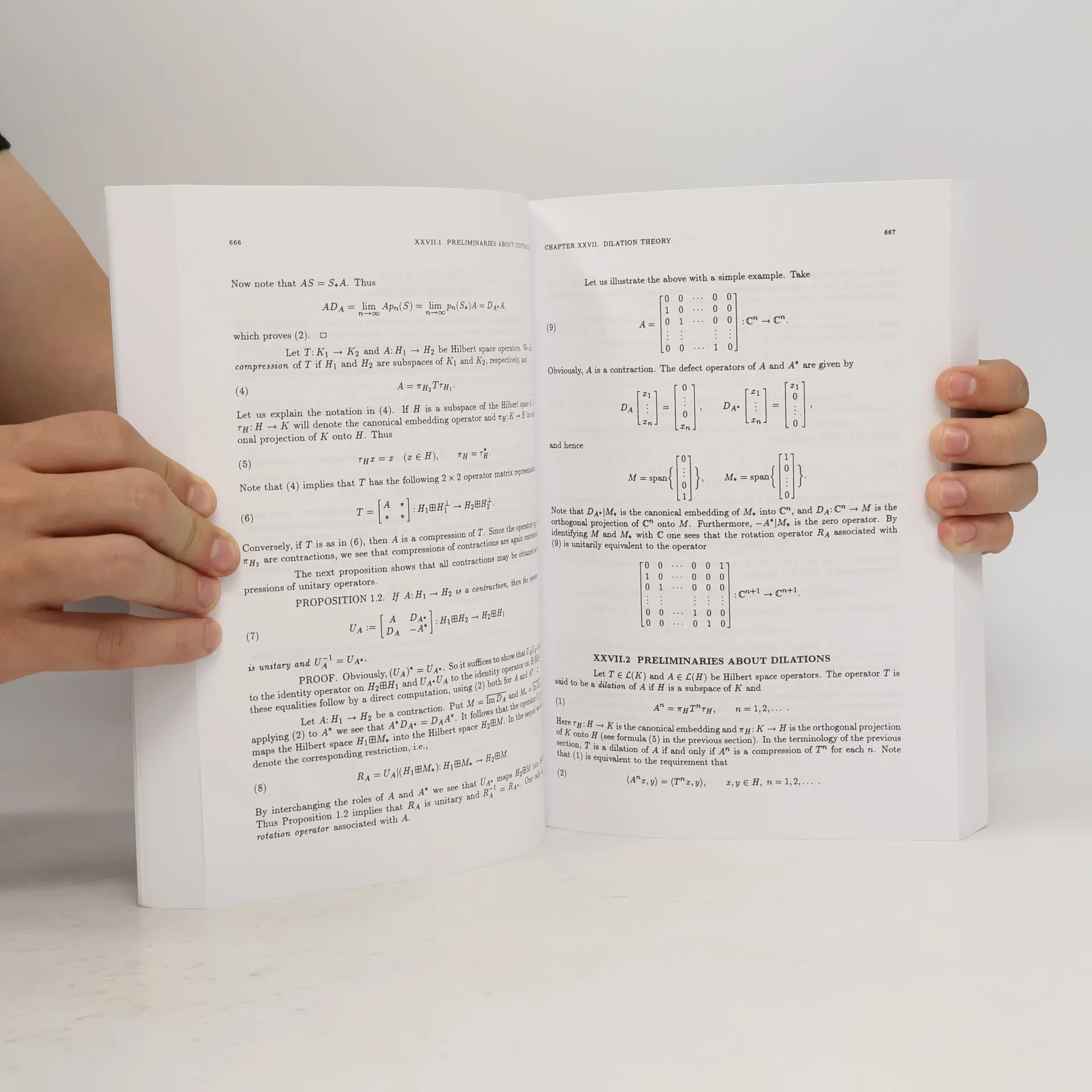
These two volumes constitute texts for graduate courses in linear operator theory. The reader is assumed to have a knowledge of both complex analysis and the first elements of operator theory. The texts are intended to concisely present a variety of classes of linear operators, each with its own character, theory, techniques and tools. For each of the classes, various differential and integral operators motivate or illustrate the main results. Although each class is treated seperately and the first impression may be that of many different theories, interconnections appear frequently and unexpectedly. The result is a beautiful, unified and powerful theory. The classes we have chosen are representatives of the principal important classes of operators, and we believe that these illustrate the richness of operator theory, both in its theoretical developments and in its applicants. Because we wanted the books to be of reasonable size, we were selective in the classes we chose and restricted our attention to the main features of the corresponding theories. However, these theories have been updated and enhanced by new developments, many of which appear here for the first time in an operator-theory text. In the selection of the material the taste and interest of the authors played an important role.
Zakup książki
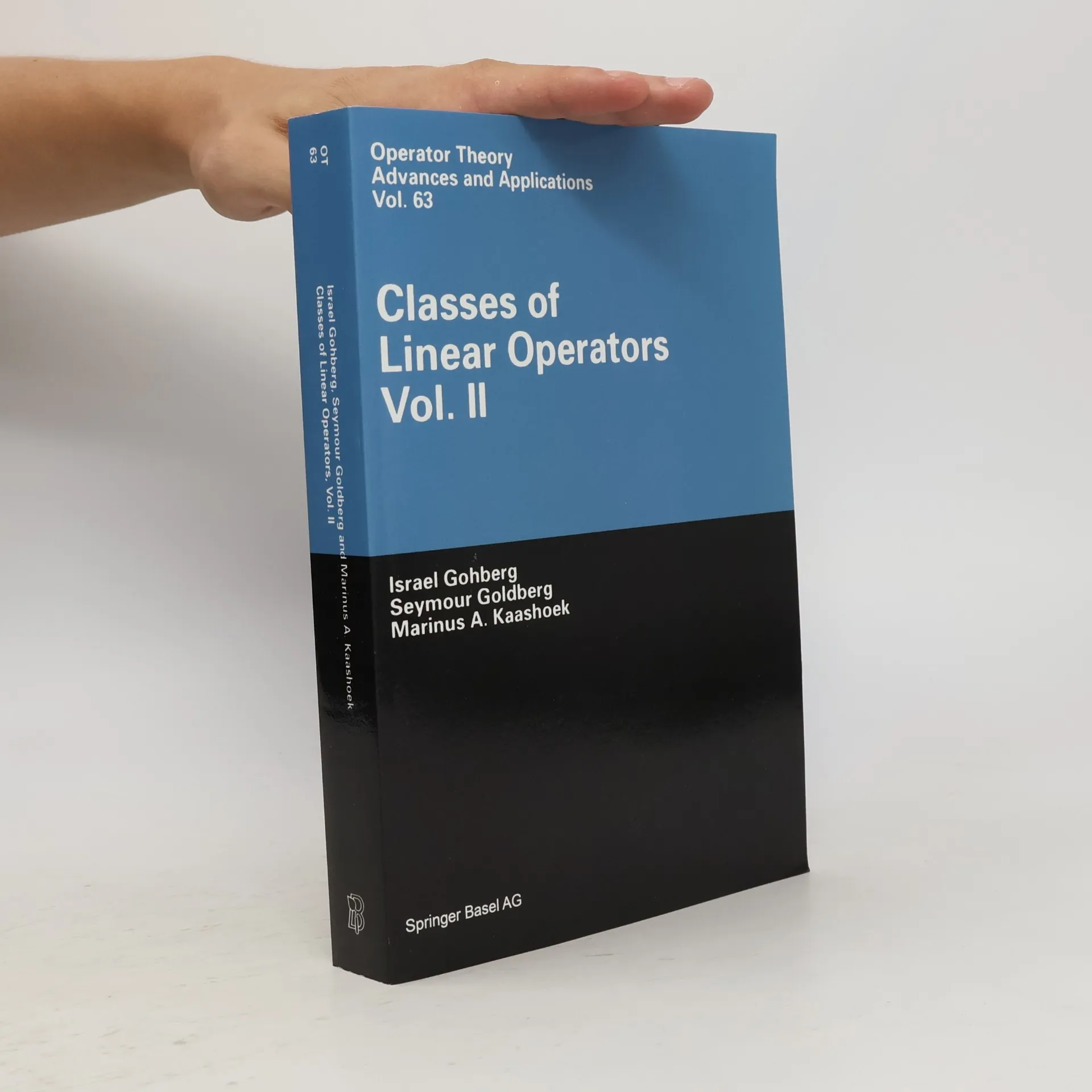
Operator Theory: Advances and Applications - 2: Classes of Linear Operators, Israel Gohberg, Seymor Goldberg, Marinus Kaashoek
- Język

- Rok wydania
- 2012
- Oprawa
- (miękka),
- Stan książki
- Dobry
- Cena
- 276,95 zł
Metody płatności
Nikt jeszcze nie ocenił.
- Tytuł
- Operator Theory: Advances and Applications - 2: Classes of Linear Operators
- Język
- angielski
- Wydawca
- Springer Basel AG
- Rok wydania
- 2012
- Oprawa
- miękka
- Liczba stron
- 556
- ISBN10
- 3034896794
- ISBN13
- 9783034896795
- Seria
- Tagi
- Podręczniki, Inne podręczniki, Nauka
- Opis
- These two volumes constitute texts for graduate courses in linear operator theory. The reader is assumed to have a knowledge of both complex analysis and the first elements of operator theory. The texts are intended to concisely present a variety of classes of linear operators, each with its own character, theory, techniques and tools. For each of the classes, various differential and integral operators motivate or illustrate the main results. Although each class is treated seperately and the first impression may be that of many different theories, interconnections appear frequently and unexpectedly. The result is a beautiful, unified and powerful theory. The classes we have chosen are representatives of the principal important classes of operators, and we believe that these illustrate the richness of operator theory, both in its theoretical developments and in its applicants. Because we wanted the books to be of reasonable size, we were selective in the classes we chose and restricted our attention to the main features of the corresponding theories. However, these theories have been updated and enhanced by new developments, many of which appear here for the first time in an operator-theory text. In the selection of the material the taste and interest of the authors played an important role.