

Parametry
- 304 strony
- 11 godzin czytania
Więcej o książce
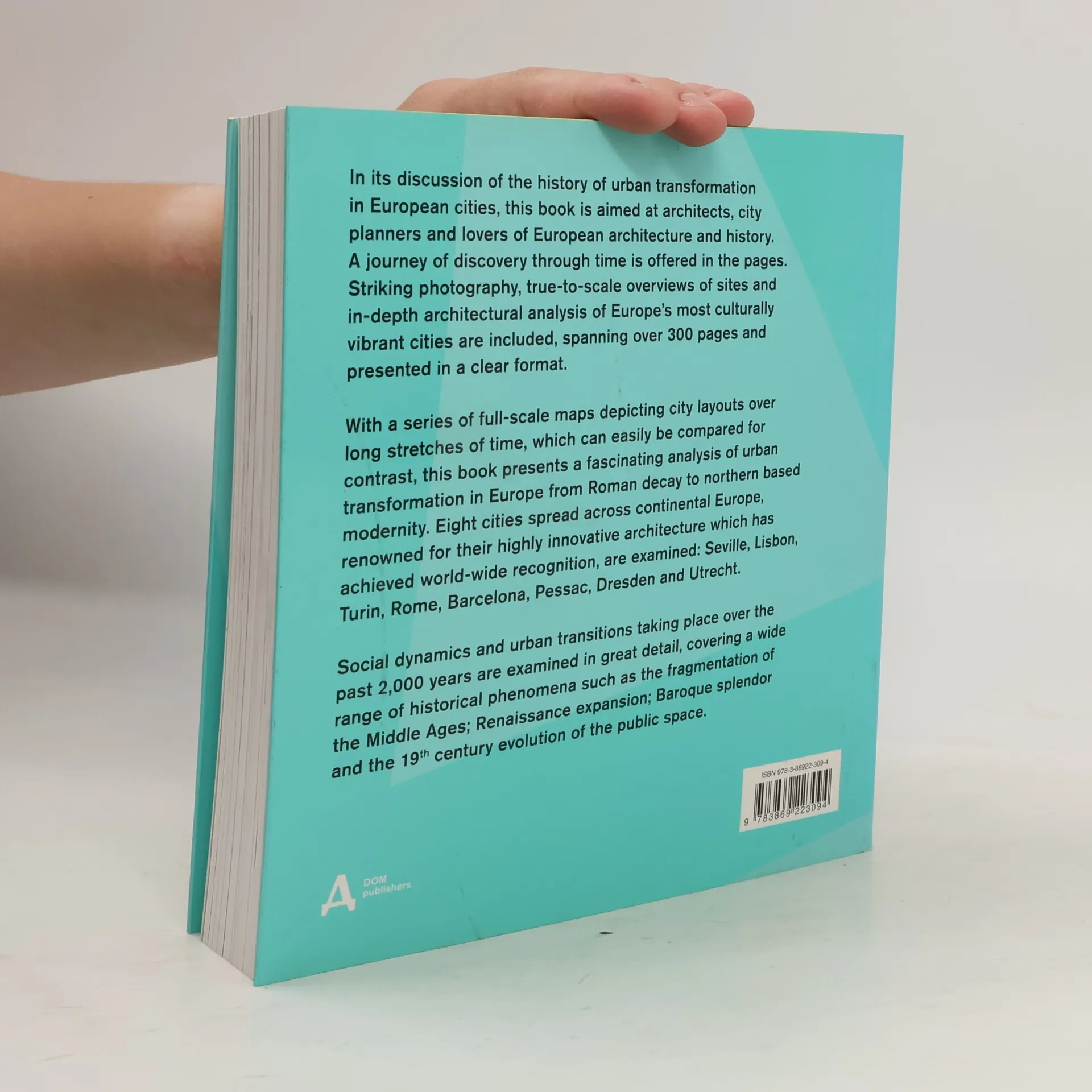
This book highlights radical urban transformation in eight cities spread across continental Europe. The point of departure, and the foundation of European urbanisation, is the Roman colonial town. In every case social dynamics guided the urban transitions in a traceable way, such that it has been possible to deduce the intellectual underpinnings of the contemporary built environments, as featured in these pages. Differing contexts of time and place show the overarching march of European history and related themes at the urban level. Fundamental changes are brought to light. Each story demonstrates a separate and fundamental transition, ranging from earlier collective configurations to the more institutionalised structures of later periods.
Zakup książki
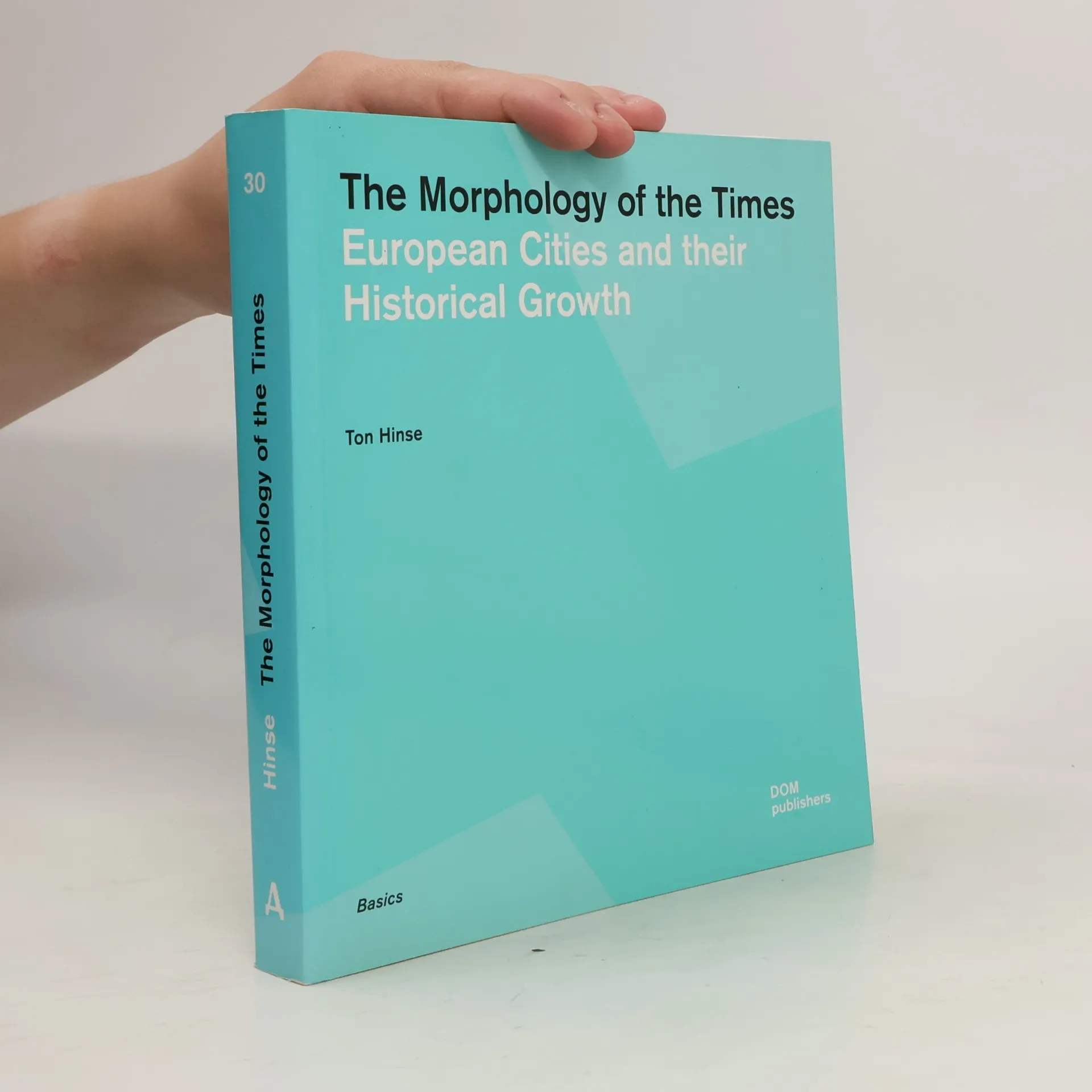
The Morphology of the Times, Ton Hinse
- Język

- Rok wydania
- 2014
- Oprawa
- (miękka),
- Stan książki
- Bardzo dobry
- Cena
- 173,25 zł
Metody płatności
Nikt jeszcze nie ocenił.
- Tytuł
- The Morphology of the Times
- Podtytuł
- European Cities and their Historical Growth
- Język
- angielski
- Autorzy
- Ton Hinse
- Wydawca
- Dom Publishers
- Rok wydania
- 2014
- Oprawa
- miękka
- Liczba stron
- 304
- ISBN10
- 386922309X
- ISBN13
- 9783869223094
- Seria
- Kategorie
- Tagi
- Tematy historyczne, Sztuka, Architektura, Europa, Teorie polityczne, Miasta, Prawo cywilne, Urbanizm, Historia architektury
- Opis
- This book highlights radical urban transformation in eight cities spread across continental Europe. The point of departure, and the foundation of European urbanisation, is the Roman colonial town. In every case social dynamics guided the urban transitions in a traceable way, such that it has been possible to deduce the intellectual underpinnings of the contemporary built environments, as featured in these pages. Differing contexts of time and place show the overarching march of European history and related themes at the urban level. Fundamental changes are brought to light. Each story demonstrates a separate and fundamental transition, ranging from earlier collective configurations to the more institutionalised structures of later periods.