


Więcej o książce
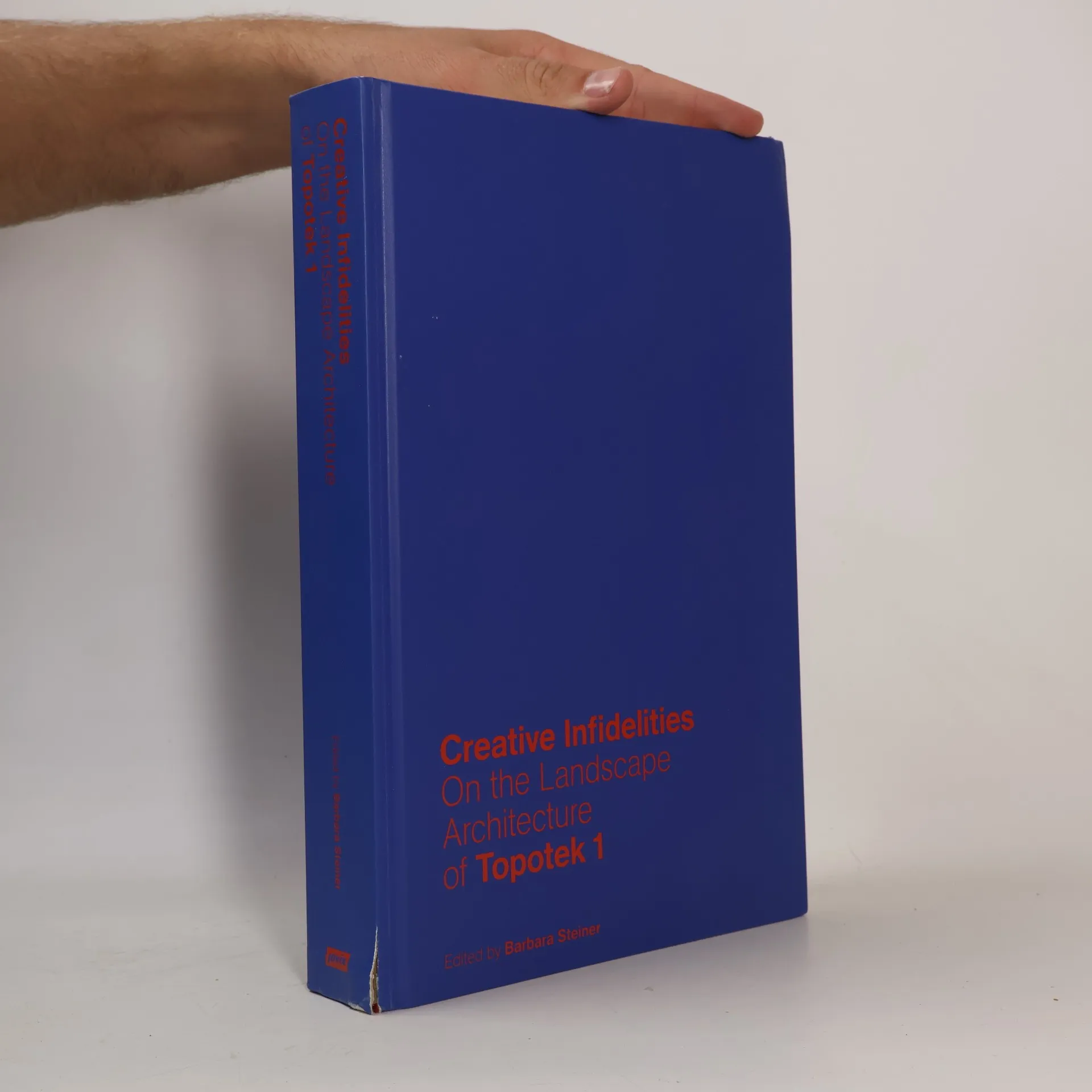
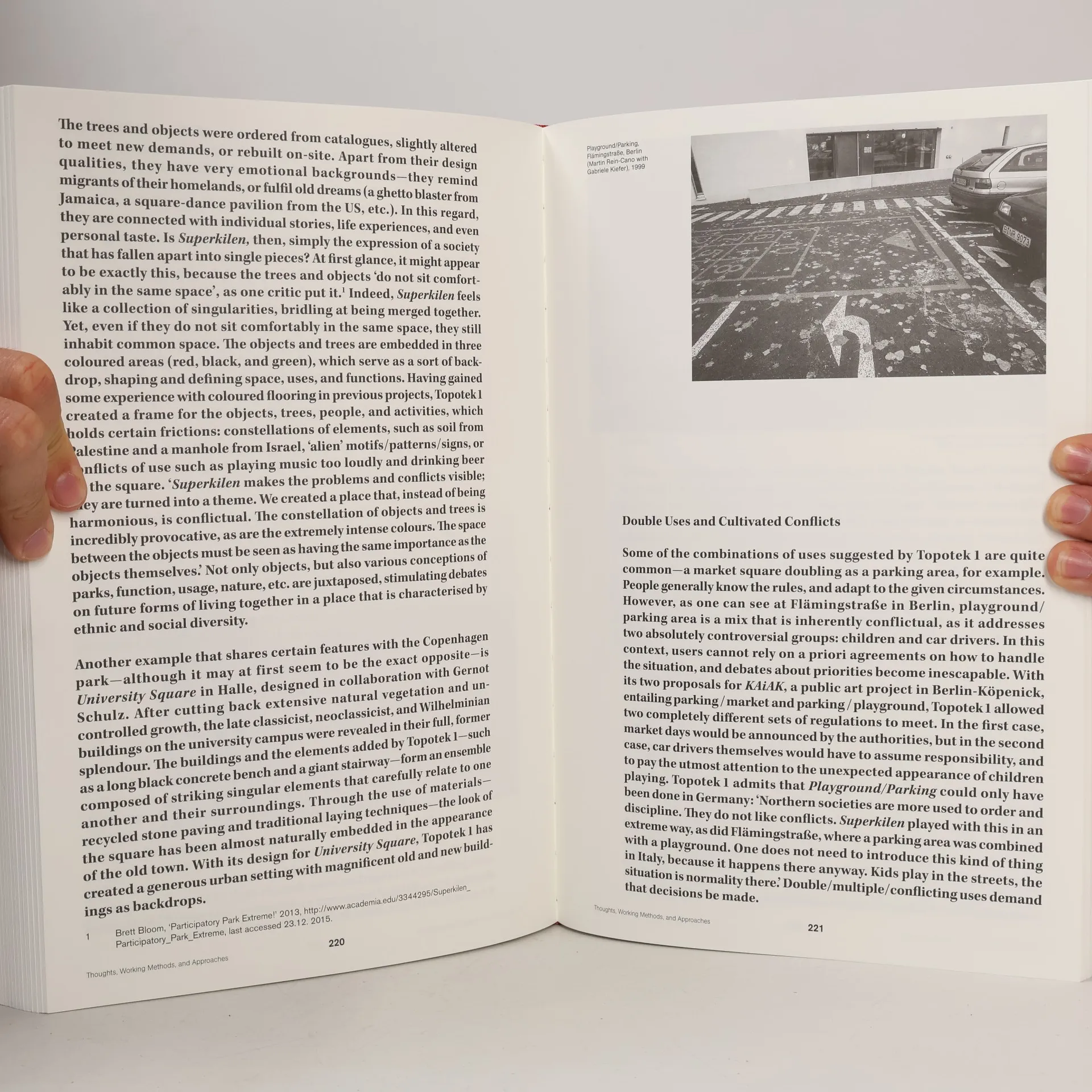
Landscape architects Topotek 1 work as commuters across different disciplines, landscape-typologies and scales; the office also jaunts into architecture, urban design and art. The book introduces Topotek 1's most important approaches and methods, and showcases ten significant projects and works in detail, among them The Big Dig in Xi'an, China, Superkilen in Copenhagen, Denmark, the Heerenschürli sports facilities in Zurich, and the Castle Park in Wolfsburg, Germany. Collaboration partners from the fields of architecture, art and design, private and public clients, planners, project managers, and contractors consider the joint undertakings from different angles. This not only allows readers to picture complex realities in the field of landscape architecture, but also to view processes of collaboration. Particular emphasis is placed on the relation between single performance and cooperation, and the crossing of disciplinary and cultural borders.
Zakup książki
Creative infidelities, Barbara Steiner
- Język
- Rok wydania
- 2016,
- Stan książki
- Dobry
- Cena
- 196,36 zł
Metody płatności
Nikt jeszcze nie ocenił.
- Tytuł
- Creative infidelities
- Podtytuł
- Landscape Architecture of Topotek 1
- Autorzy
- Barbara Steiner
- Wydawca
- jovis
- Rok wydania
- 2016
- Liczba stron
- 432
- ISBN10
- 3868594183
- ISBN13
- 9783868594188
- Seria
- Opis
- Landscape architects Topotek 1 work as commuters across different disciplines, landscape-typologies and scales; the office also jaunts into architecture, urban design and art. The book introduces Topotek 1's most important approaches and methods, and showcases ten significant projects and works in detail, among them The Big Dig in Xi'an, China, Superkilen in Copenhagen, Denmark, the Heerenschürli sports facilities in Zurich, and the Castle Park in Wolfsburg, Germany. Collaboration partners from the fields of architecture, art and design, private and public clients, planners, project managers, and contractors consider the joint undertakings from different angles. This not only allows readers to picture complex realities in the field of landscape architecture, but also to view processes of collaboration. Particular emphasis is placed on the relation between single performance and cooperation, and the crossing of disciplinary and cultural borders.