


Więcej o książce
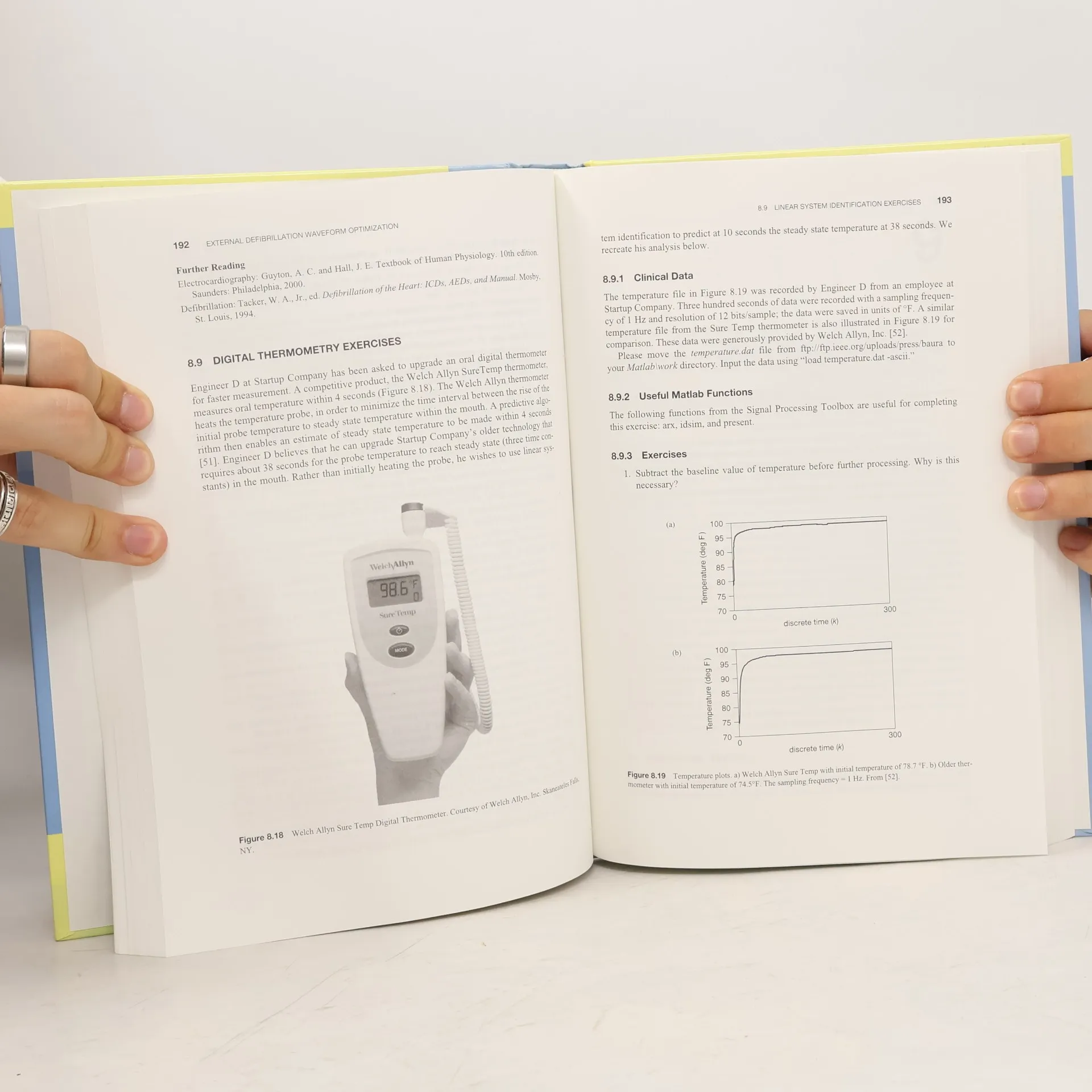
System theory is increasingly vital in medical applications, yet there's often a disconnect between biomedical and digital signal processing researchers and medical instrumentation designers. This text addresses that gap by demonstrating how system theory is applied in industry. The chapters are organized in pairs: the first introduces a system theory technology, while the second presents an industrial application of that technology. Each theory chapter provides a general overview, serving as background for the application chapter, which includes the history of a medical instrument, relevant physiology, the problem addressed, previous solutions, and a review of a solution based on the preceding theory. This practical approach is beneficial for biomedical and DSP researchers seeking grants and industry funding. It also clarifies for medical instrumentation managers how system theory can enhance sensor performance. Additionally, the text includes MATLAB® exercises and course work suggestions, catering to students and engineers interested in instrument design. An Instructor Support FTP site is available from the Wiley editorial team, further supporting educators and practitioners in the field.
Zakup książki
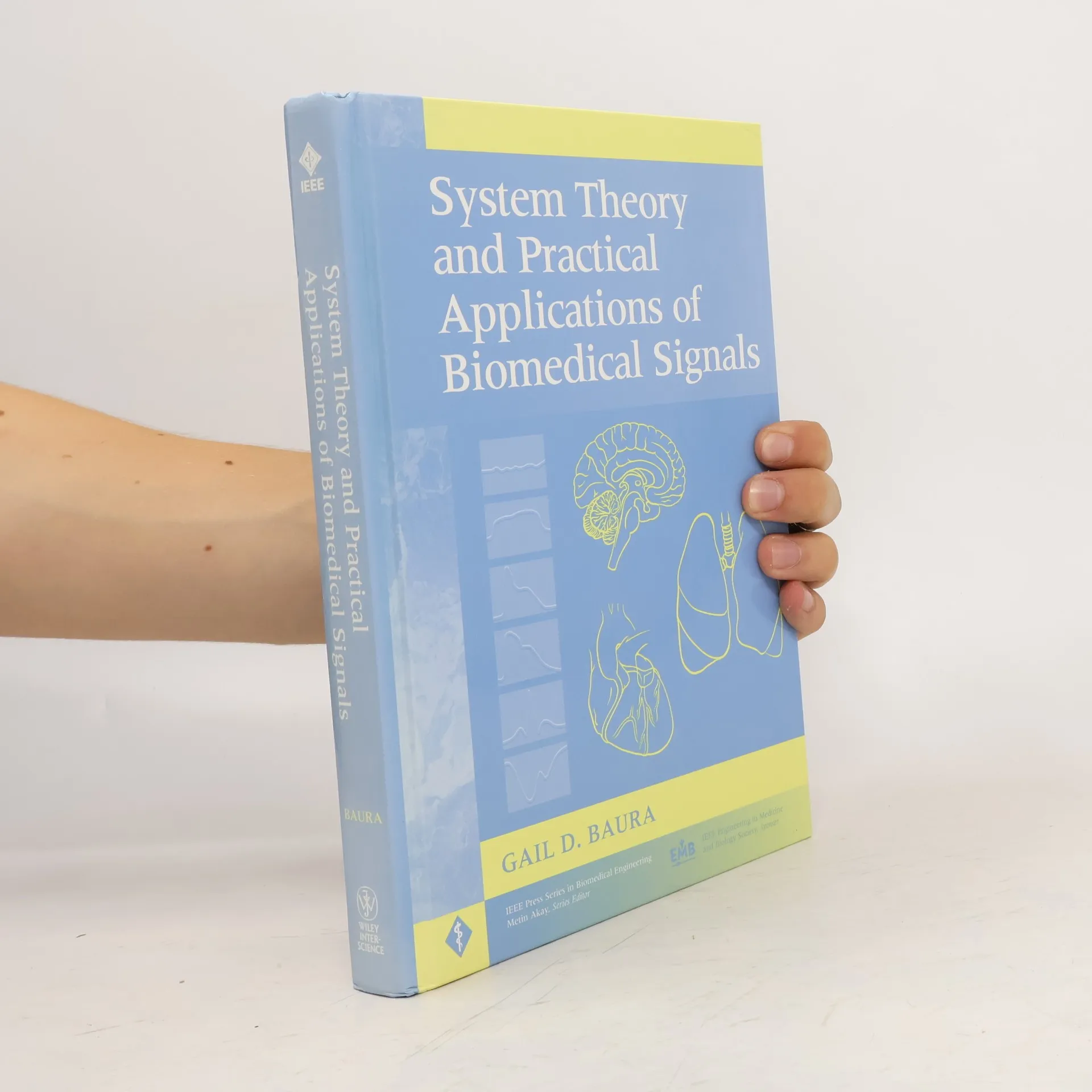
IEEE Press Series in Biomedical Engineering: System Theory and Practical Applications of Biomedical Signals, Gail D. Baura, Metin Akay
- Język

- Rok wydania
- 2002
- Oprawa
- (twarda),
- Stan książki
- Dobry
- Cena
- 195,94 zł
Metody płatności
Nikt jeszcze nie ocenił.
- Tytuł
- IEEE Press Series in Biomedical Engineering: System Theory and Practical Applications of Biomedical Signals
- Język
- angielski
- Autorzy
- Gail D. Baura, Metin Akay
- Wydawca
- Wiley-IEEE Press
- Rok wydania
- 2002
- Oprawa
- twarda
- Liczba stron
- 480
- ISBN10
- 0471236535
- ISBN13
- 9780471236535
- Seria
- Tagi
- Nauka, Tematyka medyczna, Technologia, Serie, Teorie naukowe, Inżynieria, Biotechnologia, Cybernetyka
- Opis
- System theory is increasingly vital in medical applications, yet there's often a disconnect between biomedical and digital signal processing researchers and medical instrumentation designers. This text addresses that gap by demonstrating how system theory is applied in industry. The chapters are organized in pairs: the first introduces a system theory technology, while the second presents an industrial application of that technology. Each theory chapter provides a general overview, serving as background for the application chapter, which includes the history of a medical instrument, relevant physiology, the problem addressed, previous solutions, and a review of a solution based on the preceding theory. This practical approach is beneficial for biomedical and DSP researchers seeking grants and industry funding. It also clarifies for medical instrumentation managers how system theory can enhance sensor performance. Additionally, the text includes MATLAB® exercises and course work suggestions, catering to students and engineers interested in instrument design. An Instructor Support FTP site is available from the Wiley editorial team, further supporting educators and practitioners in the field.