



Więcej o książce
The idea for this book emerged in Spring 1989, as Gorbachev's reforms began to unveil long-hidden ethnic issues within Soviet politics. Since February 1988, when the Nagorno-Karabakh Soviet sought to transfer its region to Armenia, ethnic and nationalist unrest has surged, involving both assertive nationalities like the Baltic peoples and Georgians, as well as previously loyal groups such as Belorussians and Moldavians. This highlights the need for a reappraisal of the nationalities question within Soviet studies. The book aims to systematically analyze the major nationalities of the Soviet Union in light of their new circumstances. The changes affecting this vast multiethnic society are complex and multifaceted. By collaborating with contributors who specialize in specific nationalities, the book illustrates the varied responses of these groups to perestroika and glasnost. While focusing on 20 nationalities that represent over 90% of the Soviet population, it includes the 15 union republic nationalities and others like the Volga Tartars and Crimean Tartars. The overview of Soviet nationalities policy contextualizes Gorbachev's reforms, with particular attention given to the Russians. Subsequent chapters on minority nationalities are organized by regional groupings, each preceded by an introduction, and an appendix provides statistical tables, including preliminary data from the 1989 Soviet census.
Zakup książki
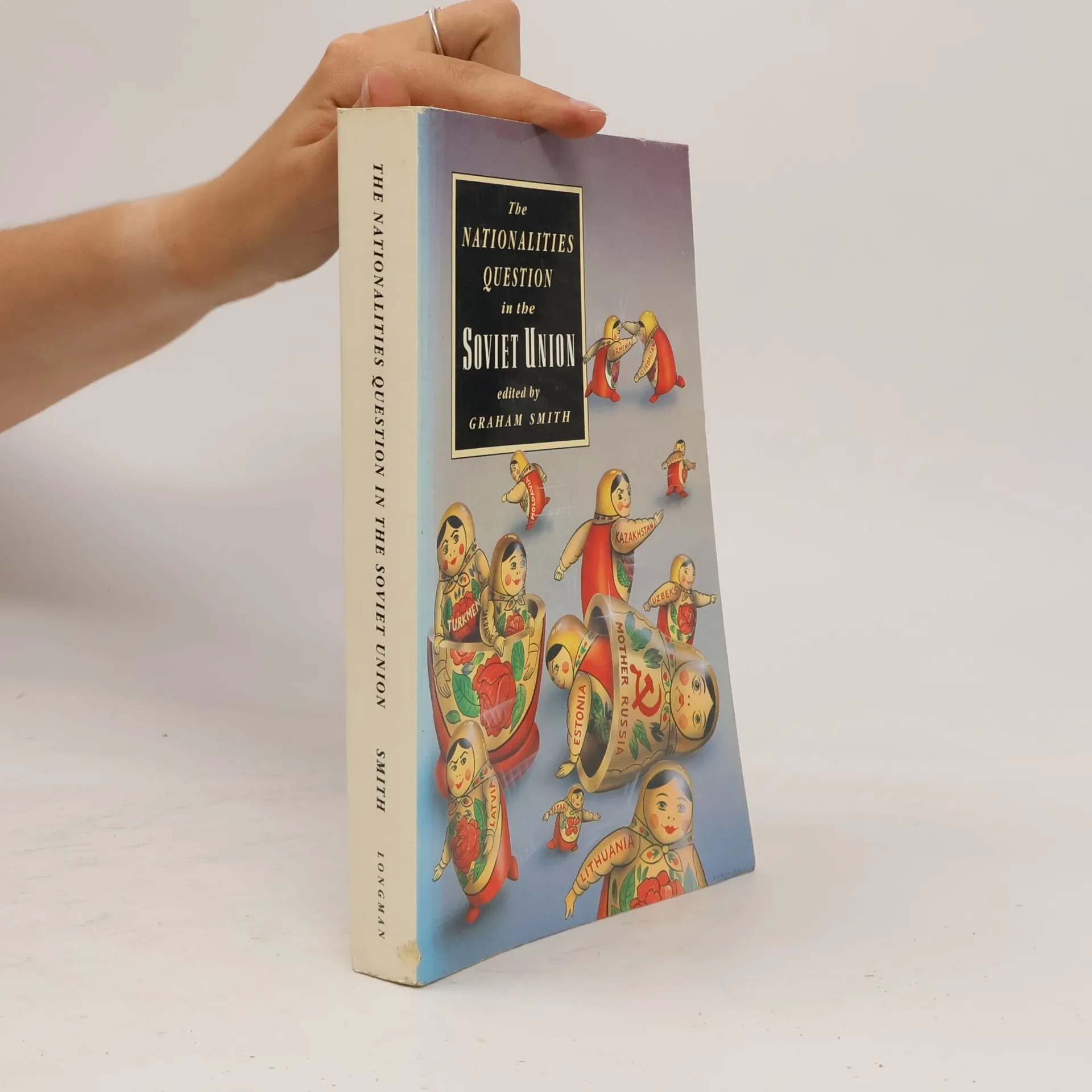
The Nationalities Question in the Soviet Union, Graham Smith
- Język

- Rok wydania
- 1991
- Oprawa
- (miękka),
- Stan książki
- Dobry
- Cena
- 40,91 zł
Metody płatności
Nikt jeszcze nie ocenił.
- Tytuł
- The Nationalities Question in the Soviet Union
- Język
- angielski
- Autorzy
- Graham Smith
- Wydawca
- Longman Publishing Group
- Rok wydania
- 1991
- Oprawa
- miękka
- Liczba stron
- 389
- ISBN10
- 058203955X
- ISBN13
- 9780582039551
- Seria
- Tagi
- Rosja, Teorie polityczne
- Opis
- The idea for this book emerged in Spring 1989, as Gorbachev's reforms began to unveil long-hidden ethnic issues within Soviet politics. Since February 1988, when the Nagorno-Karabakh Soviet sought to transfer its region to Armenia, ethnic and nationalist unrest has surged, involving both assertive nationalities like the Baltic peoples and Georgians, as well as previously loyal groups such as Belorussians and Moldavians. This highlights the need for a reappraisal of the nationalities question within Soviet studies. The book aims to systematically analyze the major nationalities of the Soviet Union in light of their new circumstances. The changes affecting this vast multiethnic society are complex and multifaceted. By collaborating with contributors who specialize in specific nationalities, the book illustrates the varied responses of these groups to perestroika and glasnost. While focusing on 20 nationalities that represent over 90% of the Soviet population, it includes the 15 union republic nationalities and others like the Volga Tartars and Crimean Tartars. The overview of Soviet nationalities policy contextualizes Gorbachev's reforms, with particular attention given to the Russians. Subsequent chapters on minority nationalities are organized by regional groupings, each preceded by an introduction, and an appendix provides statistical tables, including preliminary data from the 1989 Soviet census.