


Parametry
- 320 stron
- 12 godzin czytania
Więcej o książce
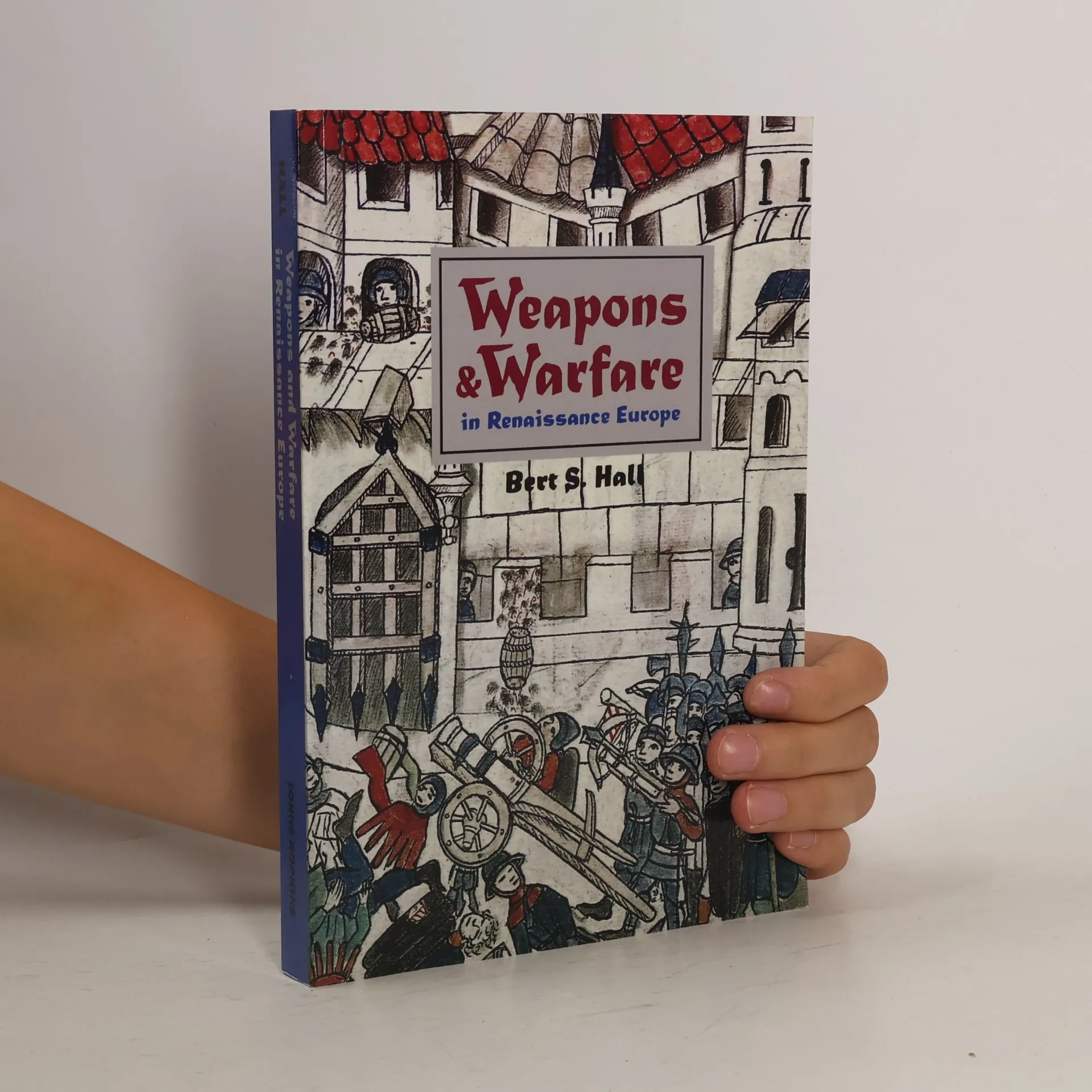
Winner of the Wallace K. Ferguson Prize from the Canadian Historical Association Weapons and Warfare in Renaissance Europe explores the history of gunpowder in Europe from the thirteenth century, when it was first imported from China, to the sixteenth century, as firearms became central to the conduct of war. Bridging the fields of military history and the history of technology―and challenging past assumptions about Europe's "gunpowder revolution"―Hall discovers a complex and fascinating story. Military inventors faced a host of challenges, he finds, from Europe's lack of naturally occurring saltpeter―one of gunpowder's major components―to the limitations of smooth-bore firearms. Manufacturing cheap, reliable gunpowder proved a difficult feat, as did making firearms that had reasonably predictable performance characteristics. Hall details the efforts of armorers across Europe as they experimented with a variety of gunpowder recipes and gunsmithing techniques, and he examines the integration of new weapons into the existing structure of European warfare.
Zakup książki
Weapons and Warfare in Renaissance Europe, Bert S. Hall
- Język

- Rok wydania
- 2001
- Oprawa
- (miękka),
- Stan książki
- Bardzo dobry
- Cena
- 69,55 zł
Metody płatności
Nikt jeszcze nie ocenił.
- Tytuł
- Weapons and Warfare in Renaissance Europe
- Podtytuł
- Gunpowder, Technology, and Tactics
- Język
- angielski
- Autorzy
- Bert S. Hall
- Rok wydania
- 2001
- Oprawa
- miękka
- Liczba stron
- 320
- ISBN10
- 0801869943
- ISBN13
- 9780801869945
- Seria
- Kategorie
- Tagi
- Tematy historyczne, Biznes, Nauka, Technologia, Europa, Średniowiecze, Historia Europy, Zachodnia Europa, Renesans, Historia nauki, Strategia, Broń, Wyposażenie
- Opis
- Winner of the Wallace K. Ferguson Prize from the Canadian Historical Association Weapons and Warfare in Renaissance Europe explores the history of gunpowder in Europe from the thirteenth century, when it was first imported from China, to the sixteenth century, as firearms became central to the conduct of war. Bridging the fields of military history and the history of technology―and challenging past assumptions about Europe's "gunpowder revolution"―Hall discovers a complex and fascinating story. Military inventors faced a host of challenges, he finds, from Europe's lack of naturally occurring saltpeter―one of gunpowder's major components―to the limitations of smooth-bore firearms. Manufacturing cheap, reliable gunpowder proved a difficult feat, as did making firearms that had reasonably predictable performance characteristics. Hall details the efforts of armorers across Europe as they experimented with a variety of gunpowder recipes and gunsmithing techniques, and he examines the integration of new weapons into the existing structure of European warfare.