

Więcej o książce
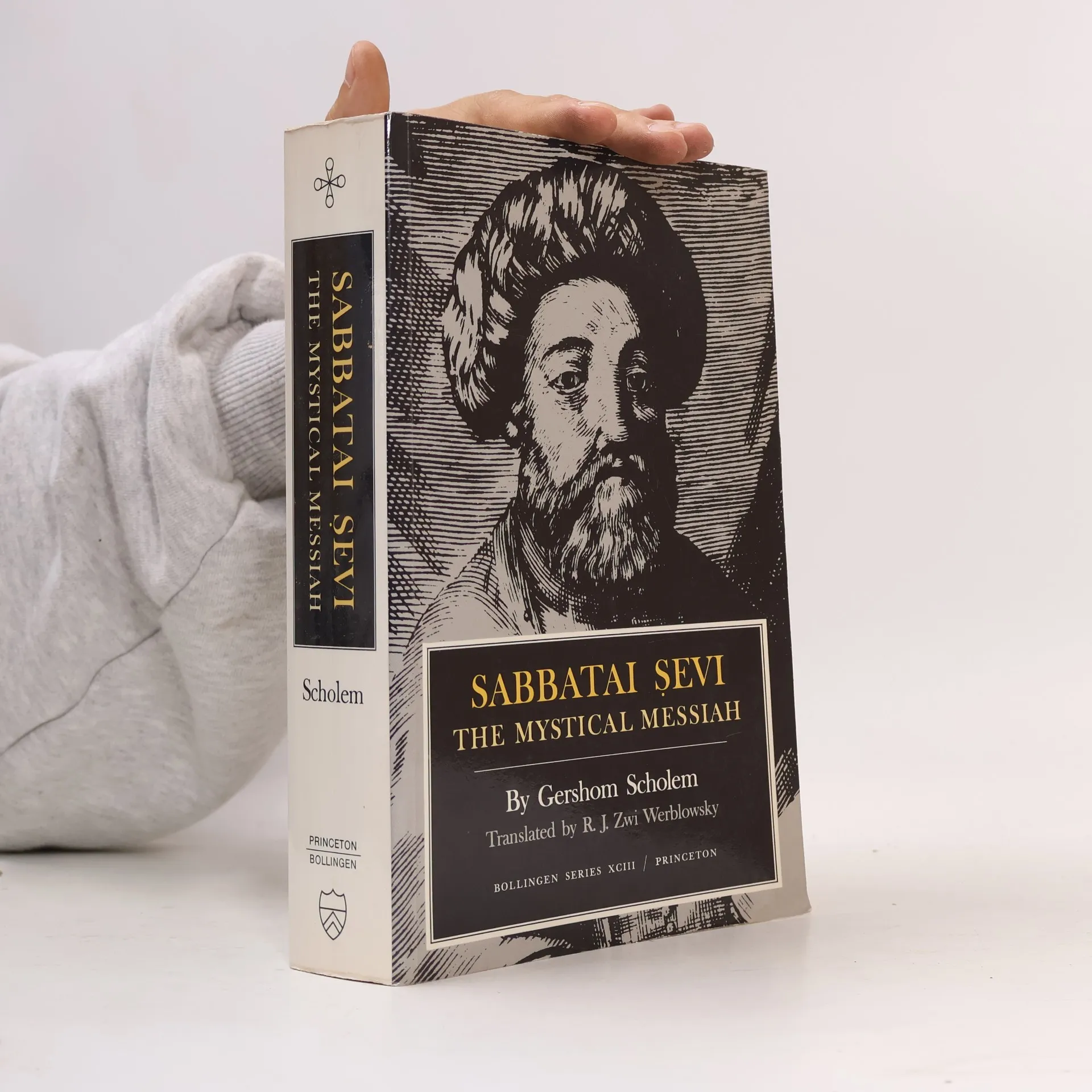
This account details the only messianic movement that captivated the entire Jewish world. Gershom Scholem, a prominent Jewish historian of the twentieth century, is celebrated for his rich historical imagination. Born in Berlin in 1897, he became a Zionist in response to his family's assimilated lifestyle. He learned Hebrew and delved into Kabbalah, a mystical tradition often marginalized in rationalist Jewish thought. Scholem emigrated to Palestine in 1923 and joined the Hebrew University of Jerusalem, where he published influential studies on Jewish mysticism. In the 1930s, he focused on the enigmatic kabbalist rabbi Sabbatai ?evi from seventeenth-century Turkey, who declared himself the Messiah and garnered a passionate following across the Jewish community. The movement faced a significant setback when ?evi was compelled to convert to Islam, yet a secret sect persisted. A grant from the Bollingen Foundation allowed Scholem to complete the original Hebrew biography in 1957, which was later translated into English by R. J. Zwi Werblowsky. This monumental work is recognized for its philological and empirical depth, as well as its passionate narrative. It is regarded as one of Scholem's masterworks, and he considered the Princeton/Bollingen edition a pinnacle of his scholarly achievements.
Zakup książki
Sabbatai Sevi, Gershom Scholem, R. J. Zwi Werblowsky
- Język

- Rok wydania
- 1975
- Oprawa
- (miękka)
Metody płatności
Nikt jeszcze nie ocenił.
- Tytuł
- Sabbatai Sevi
- Podtytuł
- The Mystical Messiah, 1626-1676
- Język
- angielski
- Autorzy
- Gershom Scholem, R. J. Zwi Werblowsky
- Wydawca
- Princeton University Press
- Rok wydania
- 1975
- Oprawa
- miękka
- Liczba stron
- 1030
- ISBN10
- 069101809X
- ISBN13
- 9780691018096
- Seria
- Kategorie
- Tagi
- Duchowość, USA, Żydzi, Literatura Żydowska
- Opis
- This account details the only messianic movement that captivated the entire Jewish world. Gershom Scholem, a prominent Jewish historian of the twentieth century, is celebrated for his rich historical imagination. Born in Berlin in 1897, he became a Zionist in response to his family's assimilated lifestyle. He learned Hebrew and delved into Kabbalah, a mystical tradition often marginalized in rationalist Jewish thought. Scholem emigrated to Palestine in 1923 and joined the Hebrew University of Jerusalem, where he published influential studies on Jewish mysticism. In the 1930s, he focused on the enigmatic kabbalist rabbi Sabbatai ?evi from seventeenth-century Turkey, who declared himself the Messiah and garnered a passionate following across the Jewish community. The movement faced a significant setback when ?evi was compelled to convert to Islam, yet a secret sect persisted. A grant from the Bollingen Foundation allowed Scholem to complete the original Hebrew biography in 1957, which was later translated into English by R. J. Zwi Werblowsky. This monumental work is recognized for its philological and empirical depth, as well as its passionate narrative. It is regarded as one of Scholem's masterworks, and he considered the Princeton/Bollingen edition a pinnacle of his scholarly achievements.