



Parametry
- 322 strony
- 12 godzin czytania
Więcej o książce
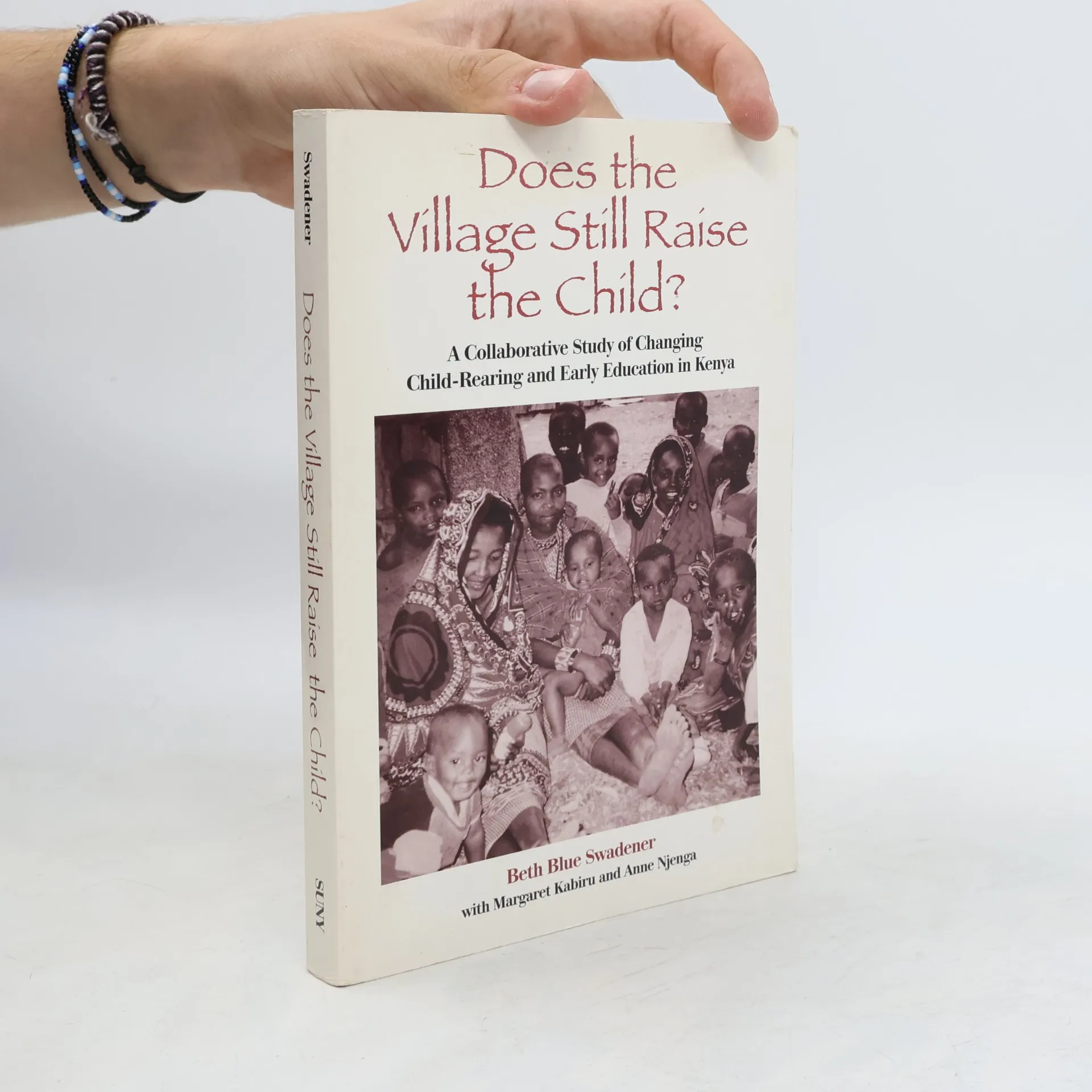
Examining the degree to which Kenyan children are still communally raised, this book presents findings from a national collaborative study considering the impacts of rapid social, economic, and cultural change on child-rearing and early education in Kenya. The narratives of over 460 parents, grandparents, preschool teachers, children, and community leaders provide unique insights on the impacts of neo-colonial policies, "development" practices, and national austerity measures on everyday lives of families. A unique aspect of this book is that it "decolonizes" research through sustained collaboration on all aspects of the study, from design and interview protocol development, to data collection and analysis, through dissemination. This book becomes, then, an invaluable model, for how to do thoughtful, collaborative, comparative research.
Zakup książki
Does the Village Still Raise the Child?, Beth Blue Swadener, Margaret Kabiru, Anne Njenga
- Język

- Rok wydania
- 2000
- Oprawa
- (miękka),
- Stan książki
- Dobry
- Cena
- 73,13 zł
Metody płatności
Nikt jeszcze nie ocenił.
- Tytuł
- Does the Village Still Raise the Child?
- Podtytuł
- A Collaborative Study of Changing Child-Rearing and Early Education in Kenya
- Język
- angielski
- Autorzy
- Beth Blue Swadener, Margaret Kabiru, Anne Njenga
- Rok wydania
- 2000
- Oprawa
- miękka
- Liczba stron
- 322
- ISBN10
- 0791447588
- ISBN13
- 9780791447581
- Seria
- Kategorie
- Opis
- Examining the degree to which Kenyan children are still communally raised, this book presents findings from a national collaborative study considering the impacts of rapid social, economic, and cultural change on child-rearing and early education in Kenya. The narratives of over 460 parents, grandparents, preschool teachers, children, and community leaders provide unique insights on the impacts of neo-colonial policies, "development" practices, and national austerity measures on everyday lives of families. A unique aspect of this book is that it "decolonizes" research through sustained collaboration on all aspects of the study, from design and interview protocol development, to data collection and analysis, through dissemination. This book becomes, then, an invaluable model, for how to do thoughtful, collaborative, comparative research.