

Więcej o książce
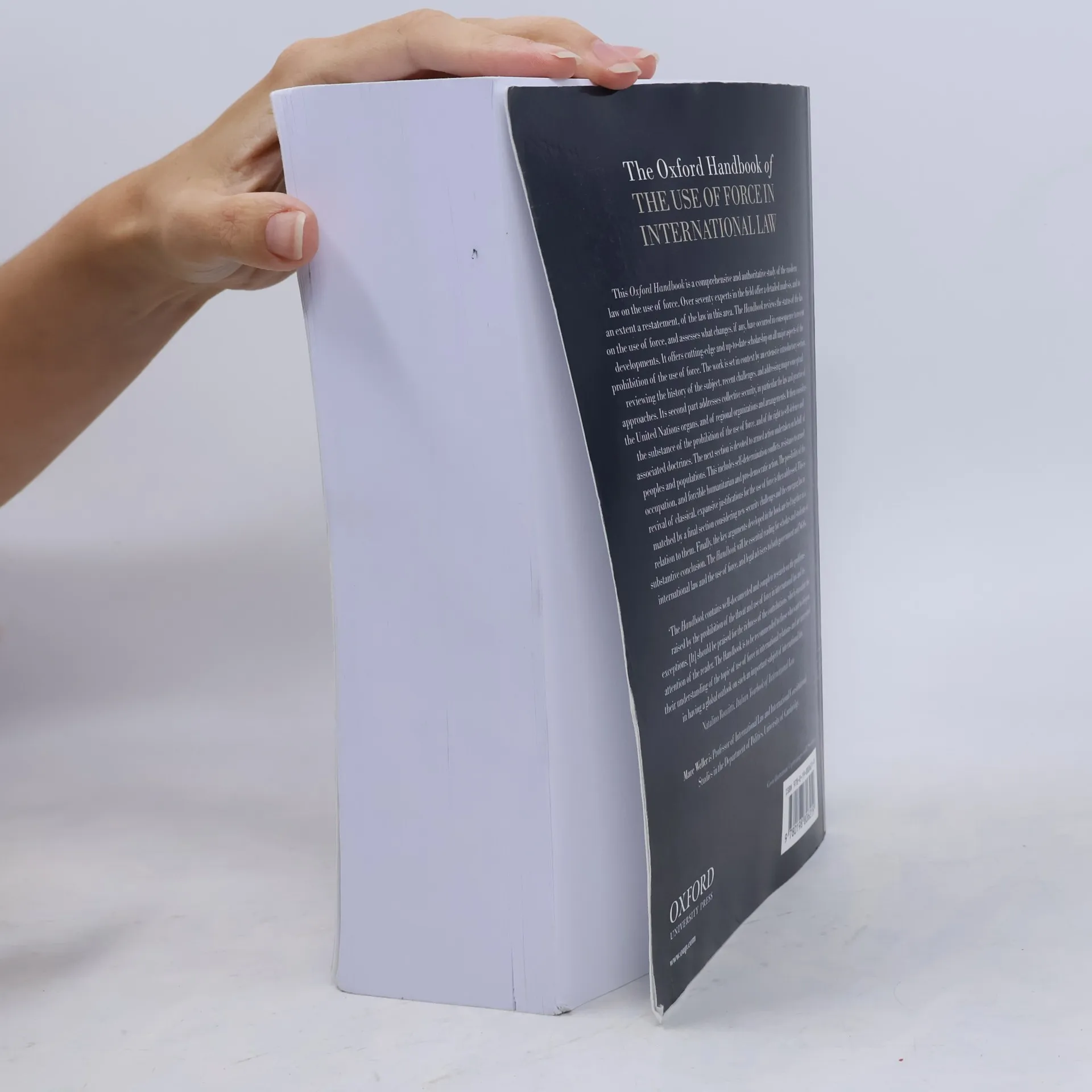
The prohibition of the use of force in international law stands as a significant achievement of the past century, aimed at outlawing war as a national policy and establishing collective security through the United Nations Charter. This framework remains a key reference point for contemporary law regarding the use of force. However, the past two decades have presented considerable challenges to this legal prohibition. This comprehensive Oxford Handbook offers an authoritative study of modern law on the use of force, featuring contributions from over seventy experts who provide detailed analyses and, to some extent, a restatement of the law in this area. The Handbook evaluates the current status of the law and any changes resulting from recent developments, presenting cutting-edge scholarship on various aspects of the prohibition. An extensive introductory section contextualizes the subject by reviewing its history, recent challenges, and major conceptual approaches. Subsequent sections address collective security, including the roles of UN organs and regional organizations, and explore the substance of the prohibition and the right to self-defense. It also examines armed actions for self-determination, resistance to occupation, and humanitarian interventions. The potential revival of classical justifications for force is discussed, alongside new security challenges and emerging legal responses. The concluding section synthesize
Zakup książki
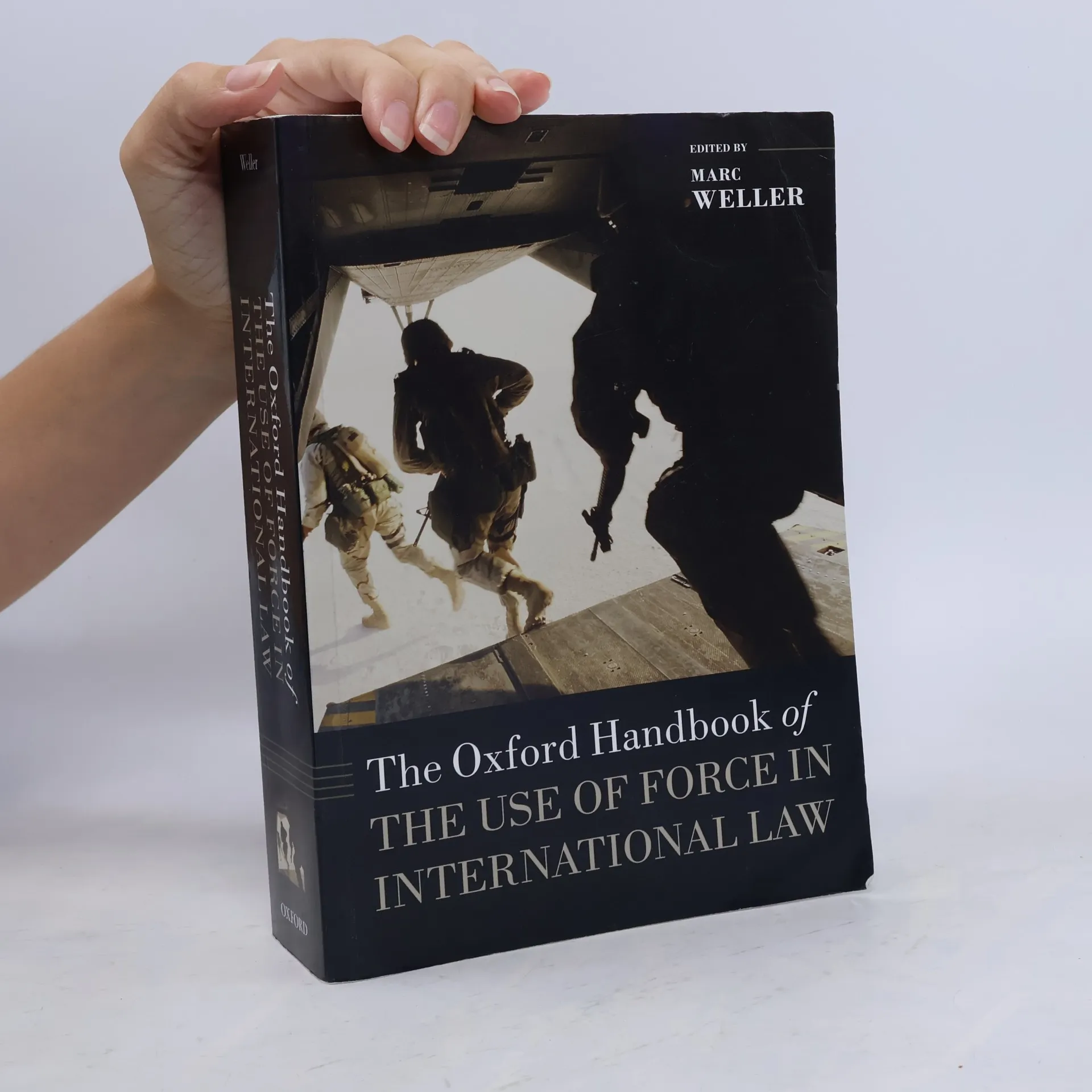
The Oxford Handbook of the Use of Force in International Law, Marc Weller
- Język

- Rok wydania
- 2017
- Oprawa
- (miękka)
Metody płatności
Nikt jeszcze nie ocenił.
- Tytuł
- The Oxford Handbook of the Use of Force in International Law
- Język
- angielski
- Autorzy
- Marc Weller
- Wydawca
- Oxford University Press
- Rok wydania
- 2017
- Oprawa
- miękka
- Liczba stron
- 1376
- ISBN10
- 0198806213
- ISBN13
- 9780198806219
- Seria
- Tagi
- Tematy prawne
- Opis
- The prohibition of the use of force in international law stands as a significant achievement of the past century, aimed at outlawing war as a national policy and establishing collective security through the United Nations Charter. This framework remains a key reference point for contemporary law regarding the use of force. However, the past two decades have presented considerable challenges to this legal prohibition. This comprehensive Oxford Handbook offers an authoritative study of modern law on the use of force, featuring contributions from over seventy experts who provide detailed analyses and, to some extent, a restatement of the law in this area. The Handbook evaluates the current status of the law and any changes resulting from recent developments, presenting cutting-edge scholarship on various aspects of the prohibition. An extensive introductory section contextualizes the subject by reviewing its history, recent challenges, and major conceptual approaches. Subsequent sections address collective security, including the roles of UN organs and regional organizations, and explore the substance of the prohibition and the right to self-defense. It also examines armed actions for self-determination, resistance to occupation, and humanitarian interventions. The potential revival of classical justifications for force is discussed, alongside new security challenges and emerging legal responses. The concluding section synthesize