



Parametry
- 232 strony
- 9 godzin czytania
Więcej o książce
This definitive text delves into the intricate relationship between participation in the arts and politics in America, tracing the evolution of democratic theory alongside the American perspective on the arts. The author posits that the arts and humanities are vital for preserving the human elements of society and enhancing the quality of life. Democracy has the potential to foster artistic excellence and create broad audiences for such works. The study examines how the arts influence political systems and whether these systems can support or hinder the arts. It offers a model for an American society where the artistic community enhances participatory skills among citizens, contributing to a stronger participatory society. The text provides an overview of specific democratic theories and encourages discussion on active versus passive participation. The interrelationship of arts and politics is illustrated through three historical periods: Ancient Greece, a model of flourishing arts within democracy; the Jacksonian era, representing a pure form of American democracy where the performing arts struggled; and the analysis of arts and politics in twentieth-century America. This work will benefit political science and arts management students, as well as arts advocates, by providing a comprehensive understanding of the dynamics of participation in the arts and politics in America.
Zakup książki
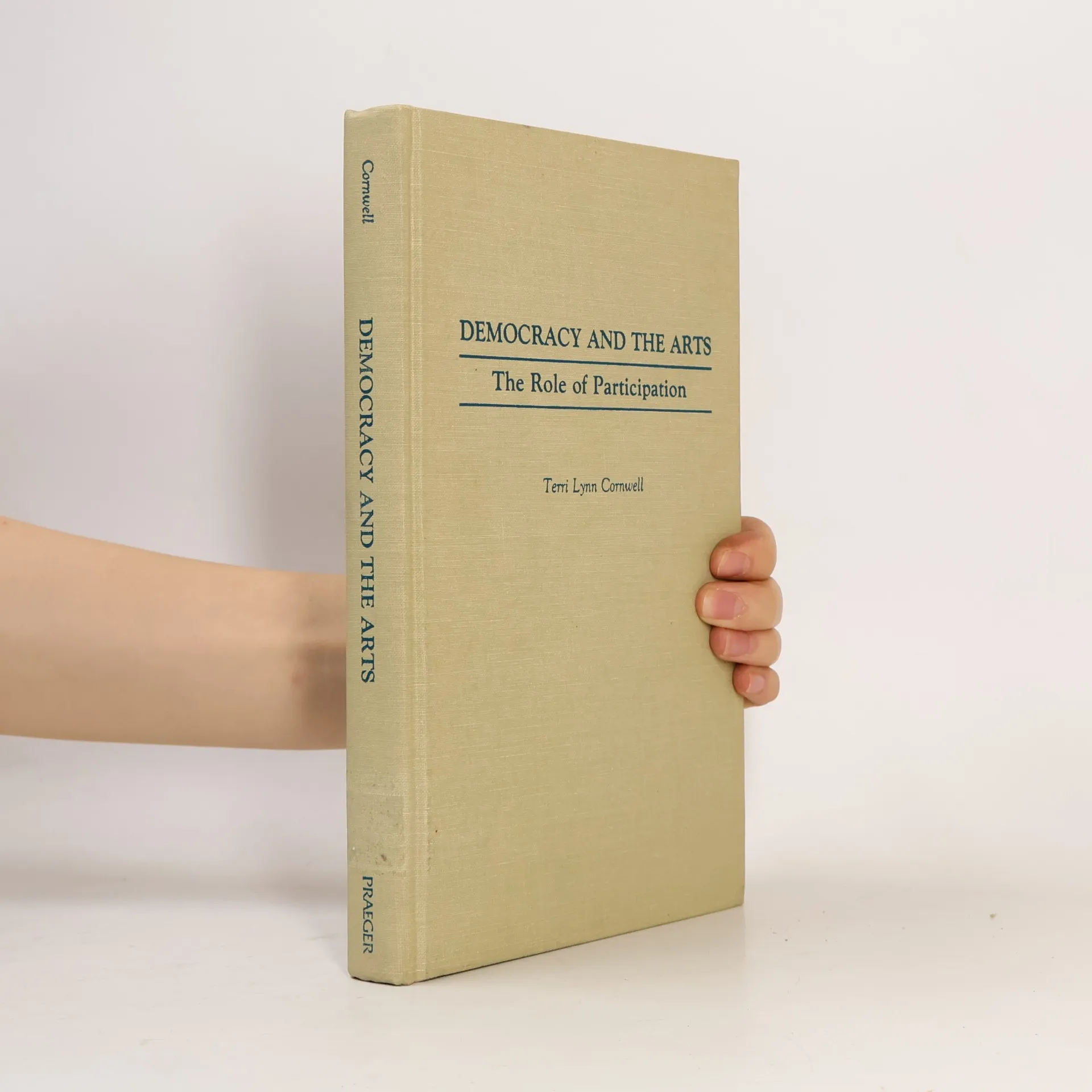
Democracy and the Arts, Terri Lynn Cornwell
- Język

- Rok wydania
- 1990
- Oprawa
- (twarda),
- Stan książki
- Uszkodzony
- Cena
- 74,88 zł
Metody płatności
Nikt jeszcze nie ocenił.
- Tytuł
- Democracy and the Arts
- Podtytuł
- The Role of Participation
- Język
- angielski
- Autorzy
- Terri Lynn Cornwell
- Wydawca
- Praeger
- Rok wydania
- 1990
- Oprawa
- twarda
- Liczba stron
- 232
- ISBN10
- 027593070X
- ISBN13
- 9780275930707
- Seria
- Kategorie
- Tagi
- Tematy prawne, Sztuka, Polityka, USA, Literatura fachowa, Krytyka, Teoria sztuki, Podejmowanie decyzji
- Opis
- This definitive text delves into the intricate relationship between participation in the arts and politics in America, tracing the evolution of democratic theory alongside the American perspective on the arts. The author posits that the arts and humanities are vital for preserving the human elements of society and enhancing the quality of life. Democracy has the potential to foster artistic excellence and create broad audiences for such works. The study examines how the arts influence political systems and whether these systems can support or hinder the arts. It offers a model for an American society where the artistic community enhances participatory skills among citizens, contributing to a stronger participatory society. The text provides an overview of specific democratic theories and encourages discussion on active versus passive participation. The interrelationship of arts and politics is illustrated through three historical periods: Ancient Greece, a model of flourishing arts within democracy; the Jacksonian era, representing a pure form of American democracy where the performing arts struggled; and the analysis of arts and politics in twentieth-century America. This work will benefit political science and arts management students, as well as arts advocates, by providing a comprehensive understanding of the dynamics of participation in the arts and politics in America.