


Parametry
- 408 stron
- 15 godzin czytania
Więcej o książce
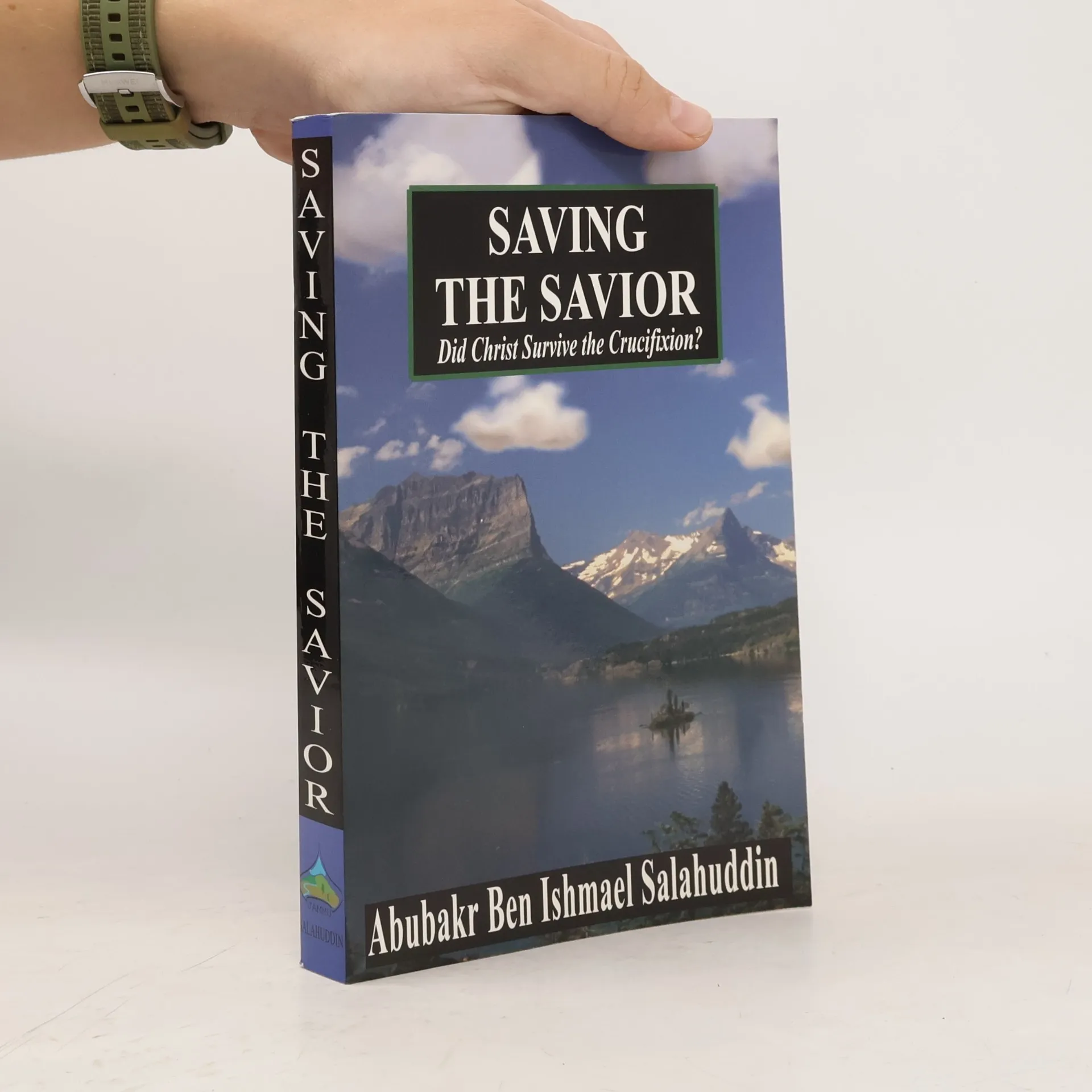
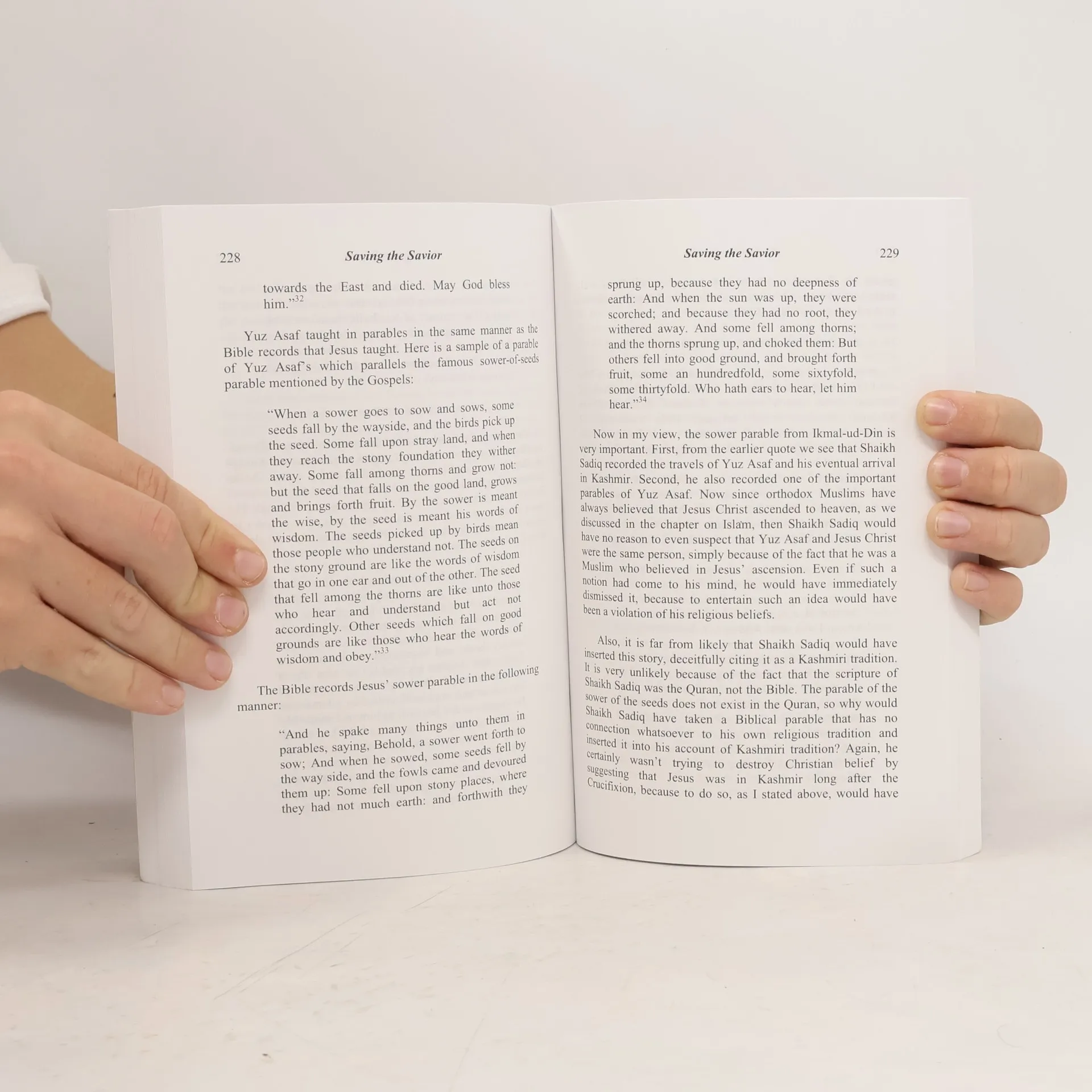
This book presents the explosive theory that Jesus Christ survived the crucifixion, travelled across what was then known as Asia, took up residence in Kashmir, India, married, had children and lived to the ripe old age of 120 years. Thirty illustrations include original-language documents (Sanskrit, Tibetan, Persian) -- with accompanying English translations -- that clearly record the sojourn of Jesus Christ all throughout Asia/India. The book studies five branches of humanity that are involved in an intense struggle over the identity of Jesus Christ, and compares their perspectives. Those branches are: revisionist Christian scholars, traditional Christianity, Eastern religions and philosophies, the world of Islam, and atheists, agnostics and secular humanists. Also examined are the philosophical issues surrounding the subject of a post-crucifixion life of Jesus. It offers an intense and fascinating comparison between Eastern religion and philosophy on the one hand, and Western Christianity on the other. This thorough examination is perhaps as engaging, if not more so, as the actual documents that detail the travels of Jesus to Kashmir after the crucifixion.
Zakup książki
Saving the Savior, Abubakr Ben Ishmael Salahuddin
- Język

- Rok wydania
- 2001
- Oprawa
- (miękka),
- Stan książki
- Bardzo dobry
- Cena
- 56,87 zł
Metody płatności
Nikt jeszcze nie ocenił.
- Tytuł
- Saving the Savior
- Podtytuł
- Did Christ Survive the Crucifixion?
- Język
- angielski
- Wydawca
- Jammu Pr
- Rok wydania
- 2001
- Oprawa
- miękka
- Liczba stron
- 408
- ISBN10
- 0970828012
- ISBN13
- 9780970828019
- Seria
- Kategorie
- Opis
- This book presents the explosive theory that Jesus Christ survived the crucifixion, travelled across what was then known as Asia, took up residence in Kashmir, India, married, had children and lived to the ripe old age of 120 years. Thirty illustrations include original-language documents (Sanskrit, Tibetan, Persian) -- with accompanying English translations -- that clearly record the sojourn of Jesus Christ all throughout Asia/India. The book studies five branches of humanity that are involved in an intense struggle over the identity of Jesus Christ, and compares their perspectives. Those branches are: revisionist Christian scholars, traditional Christianity, Eastern religions and philosophies, the world of Islam, and atheists, agnostics and secular humanists. Also examined are the philosophical issues surrounding the subject of a post-crucifixion life of Jesus. It offers an intense and fascinating comparison between Eastern religion and philosophy on the one hand, and Western Christianity on the other. This thorough examination is perhaps as engaging, if not more so, as the actual documents that detail the travels of Jesus to Kashmir after the crucifixion.