

Więcej o książce
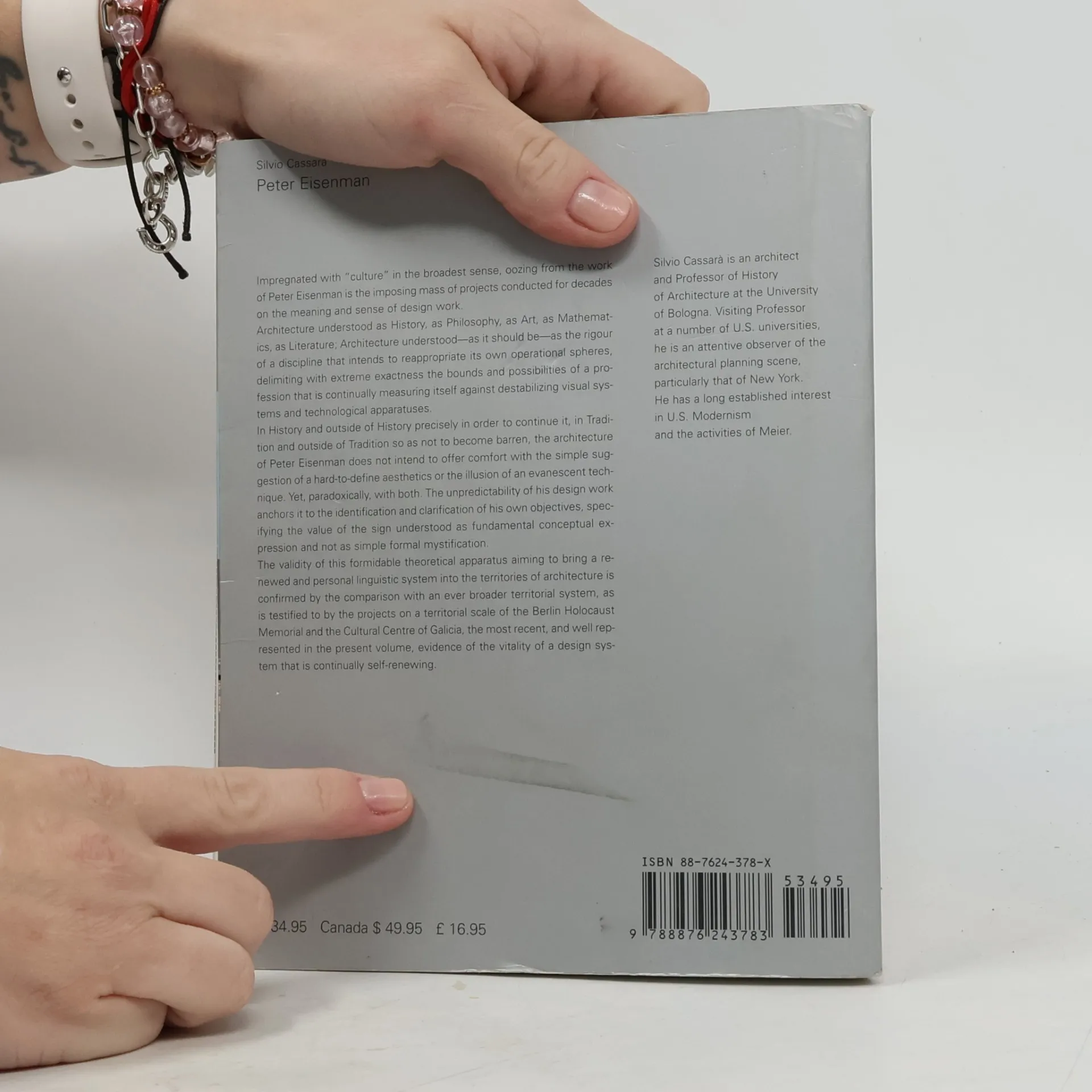
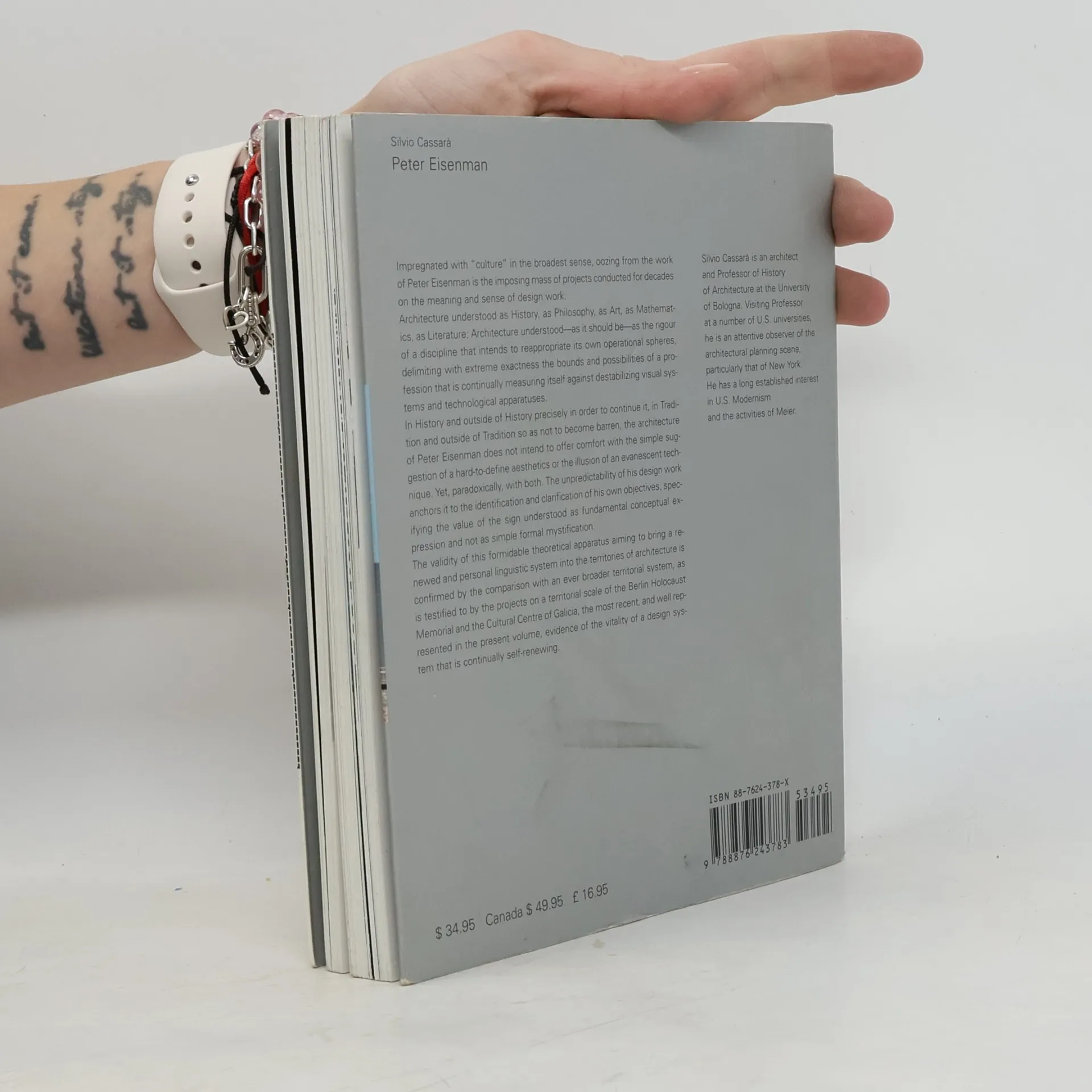
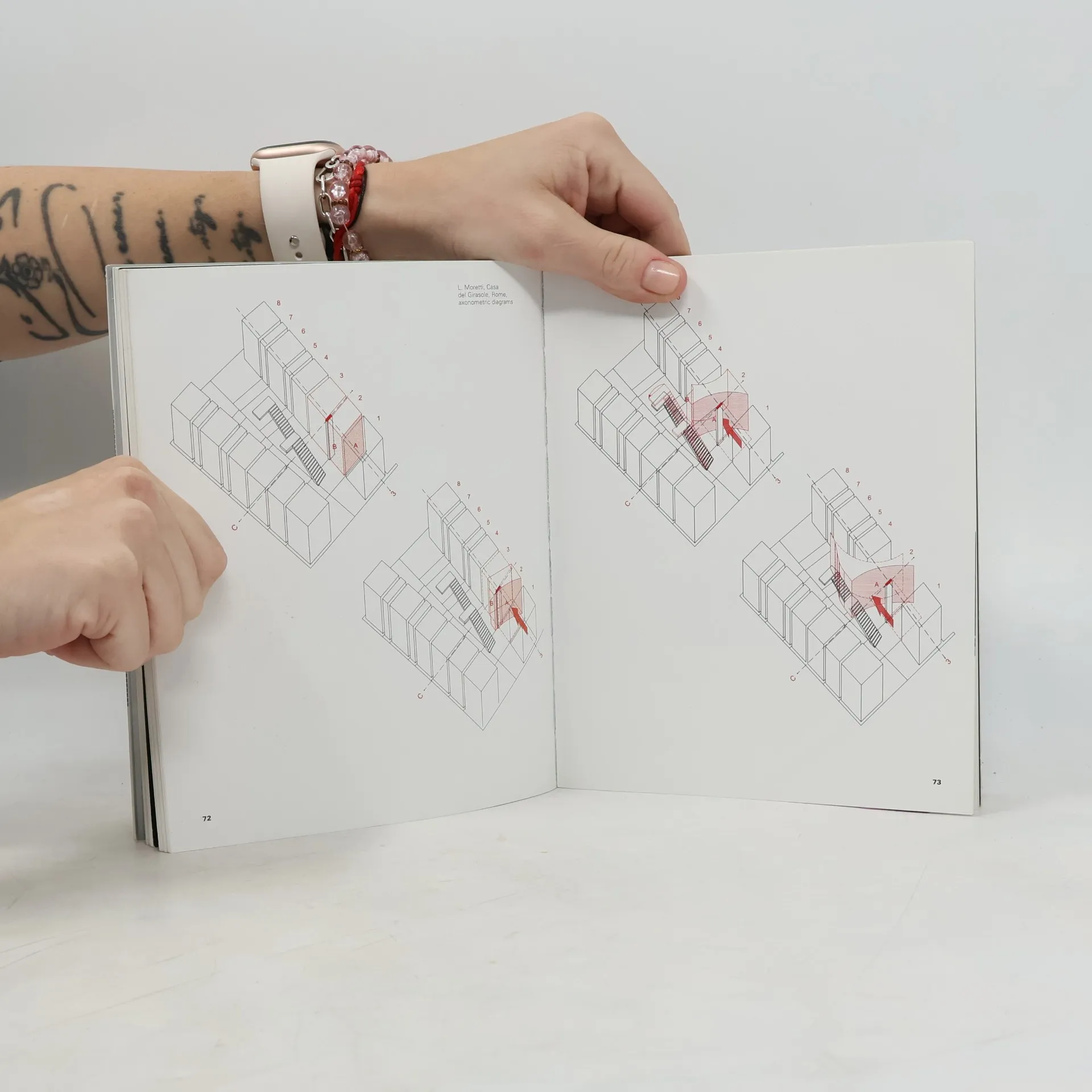
The works of Peter Eisenman are deeply infused with “culture” and reflect extensive study on the essence of design. He views architecture as a multifaceted discipline—intersecting History, Philosophy, Art, Mathematics, and Literature—aiming to define its operational boundaries while navigating destabilizing visual and technological systems. Eisenman's architecture exists within and outside of historical and traditional contexts, avoiding sterility while fostering innovation. His approach does not seek to provide comfort through vague aesthetics or fleeting techniques but instead anchors design in individuation and clarity of purpose. He emphasizes the value of the sign as a vital conceptual expression rather than mere formal distortion. This robust theoretical framework aims to reinvigorate architectural language, evidenced by significant projects like the Memorial of Berlin and the Cultural Centre of Galizia. These recent undertakings illustrate the ongoing vitality of a design system that continually evolves, affirming the relevance and dynamism of Eisenman's architectural philosophy.
Zakup książki
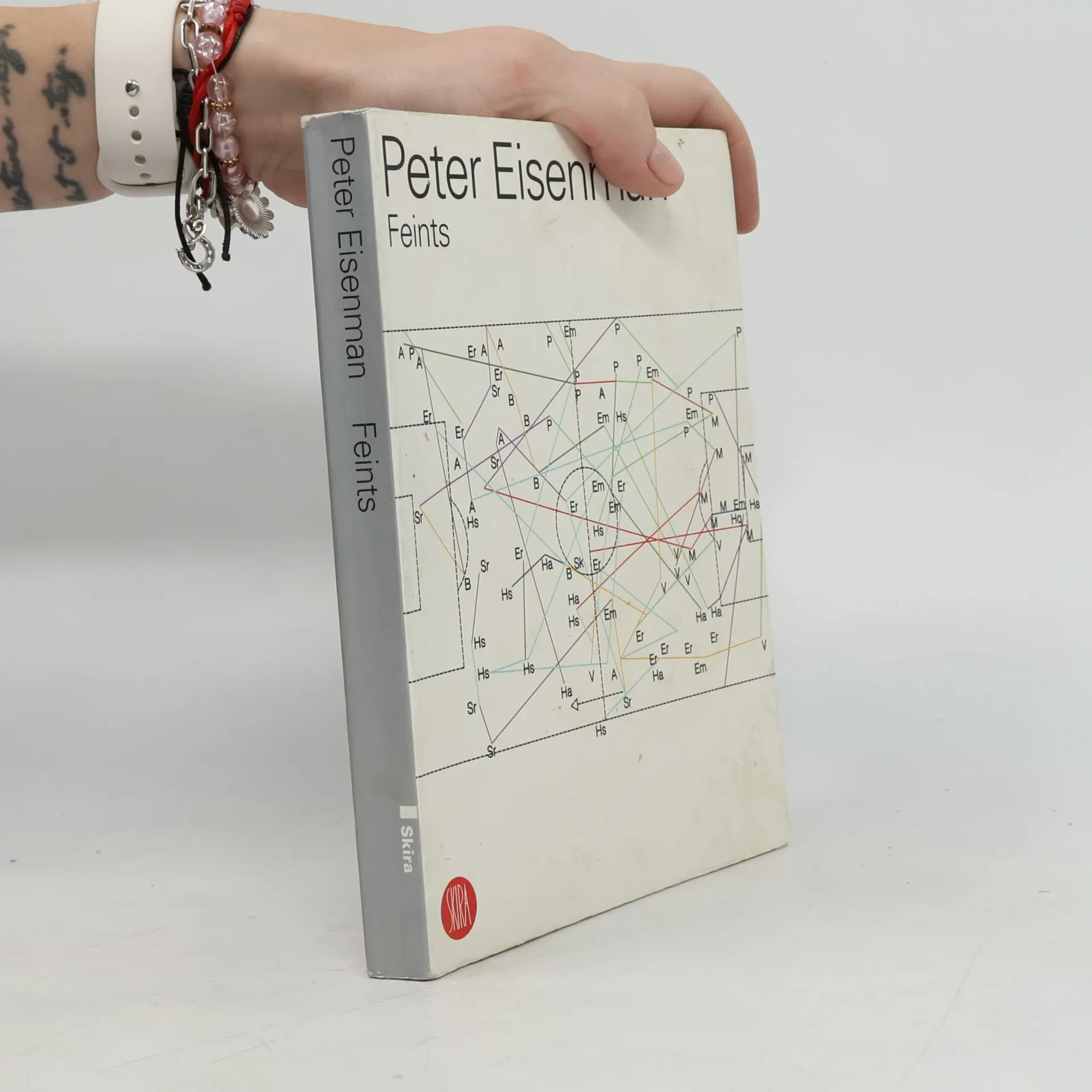
Peter Eisenman, Peter Eisenman, Silvio Cassara
- Język

- Rok wydania
- 2006
- Oprawa
- (miękka),
- Stan książki
- Uszkodzony
- Cena
- 4034,41 zł
Metody płatności
Nikt jeszcze nie ocenił.
- Tytuł
- Peter Eisenman
- Podtytuł
- Feints
- Język
- angielski
- Autorzy
- Peter Eisenman, Silvio Cassara
- Wydawca
- Skira
- Rok wydania
- 2006
- Oprawa
- miękka
- Liczba stron
- 208
- ISBN10
- 887624378X
- ISBN13
- 9788876243783
- Seria
- Kategorie
- Tagi
- Sztuka, Architektura, USA, Metodologia, Projektowanie
- Opis
- The works of Peter Eisenman are deeply infused with “culture” and reflect extensive study on the essence of design. He views architecture as a multifaceted discipline—intersecting History, Philosophy, Art, Mathematics, and Literature—aiming to define its operational boundaries while navigating destabilizing visual and technological systems. Eisenman's architecture exists within and outside of historical and traditional contexts, avoiding sterility while fostering innovation. His approach does not seek to provide comfort through vague aesthetics or fleeting techniques but instead anchors design in individuation and clarity of purpose. He emphasizes the value of the sign as a vital conceptual expression rather than mere formal distortion. This robust theoretical framework aims to reinvigorate architectural language, evidenced by significant projects like the Memorial of Berlin and the Cultural Centre of Galizia. These recent undertakings illustrate the ongoing vitality of a design system that continually evolves, affirming the relevance and dynamism of Eisenman's architectural philosophy.