


Więcej o książce
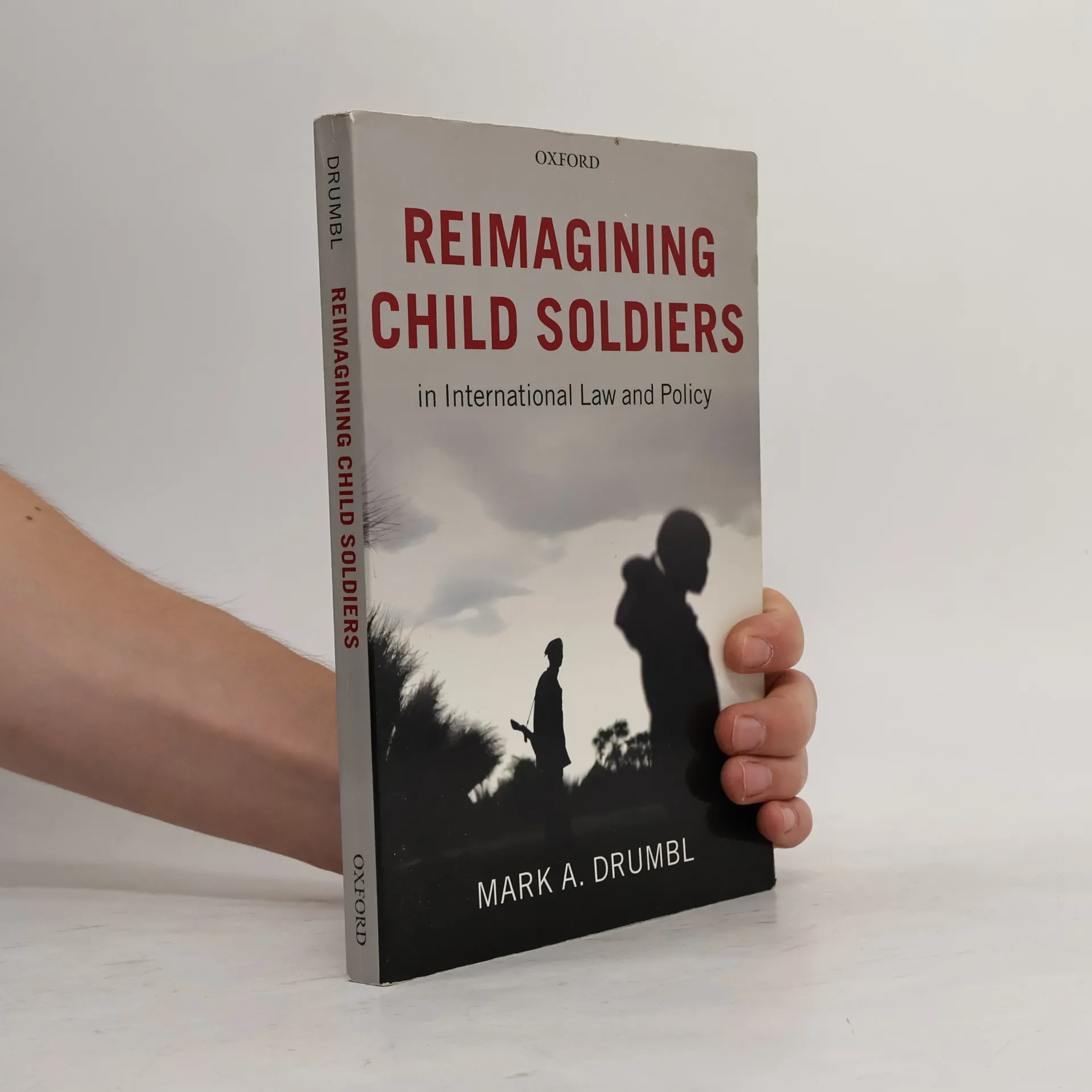
The international community has made strides in combating child soldiering, yet this troubling practice continues globally, with preventative measures proving insufficient. Former child soldiers face significant challenges in reintegrating into civilian life, and reconciliation within communities affected by violence remains incomplete. Efforts to eradicate child soldiering often recycle the same narratives, portraying these individuals solely as passive victims—vulnerable and psychologically damaged—while neglecting critical aspects of their experiences. This book seeks to reimagine the concept of the child soldier, adopting a more nuanced perspective that recognizes their dignity and agency. It critiques current humanitarian discourse and aims to refresh law and policy to enhance preventative, restorative, and remedial initiatives. By questioning established tenets of humanitarianism and rethinking international criminal justice, the book advocates for restorative justice over retributive trials, promoting forgiveness and social repair. It emphasizes the need for a deeper understanding of child soldiering to effectively address and ultimately end the practice. Additionally, it presents innovative ideas on juvenile justice, humanitarian interventions, human rights, and the law's role in responding to mass atrocities, making it essential reading for those committed to advancing children's rights.
Zakup książki
Reimagining Child Soldiers in International Law and Policy, Mark A. Drumbl
- Język

- Rok wydania
- 2012
- Oprawa
- (miękka),
- Stan książki
- Dobry
- Cena
- 17,65 zł
Metody płatności
Nikt jeszcze nie ocenił.
- Tytuł
- Reimagining Child Soldiers in International Law and Policy
- Język
- angielski
- Autorzy
- Mark A. Drumbl
- Wydawca
- Oxford University Press
- Rok wydania
- 2012
- Oprawa
- miękka
- Liczba stron
- 99
- ISBN10
- 0199592667
- ISBN13
- 9780199592661
- Seria
- Kategorie
- Tagi
- Tematy historyczne, Tematyka filozoficzna, Tematy prawne, Technologia, Afryka, Teorie polityczne, Prawo karne, Zbrodnie wojenne, Dzieci-żołnierze
- Opis
- The international community has made strides in combating child soldiering, yet this troubling practice continues globally, with preventative measures proving insufficient. Former child soldiers face significant challenges in reintegrating into civilian life, and reconciliation within communities affected by violence remains incomplete. Efforts to eradicate child soldiering often recycle the same narratives, portraying these individuals solely as passive victims—vulnerable and psychologically damaged—while neglecting critical aspects of their experiences. This book seeks to reimagine the concept of the child soldier, adopting a more nuanced perspective that recognizes their dignity and agency. It critiques current humanitarian discourse and aims to refresh law and policy to enhance preventative, restorative, and remedial initiatives. By questioning established tenets of humanitarianism and rethinking international criminal justice, the book advocates for restorative justice over retributive trials, promoting forgiveness and social repair. It emphasizes the need for a deeper understanding of child soldiering to effectively address and ultimately end the practice. Additionally, it presents innovative ideas on juvenile justice, humanitarian interventions, human rights, and the law's role in responding to mass atrocities, making it essential reading for those committed to advancing children's rights.