

Parametry
- 288 stron
- 11 godzin czytania
Więcej o książce
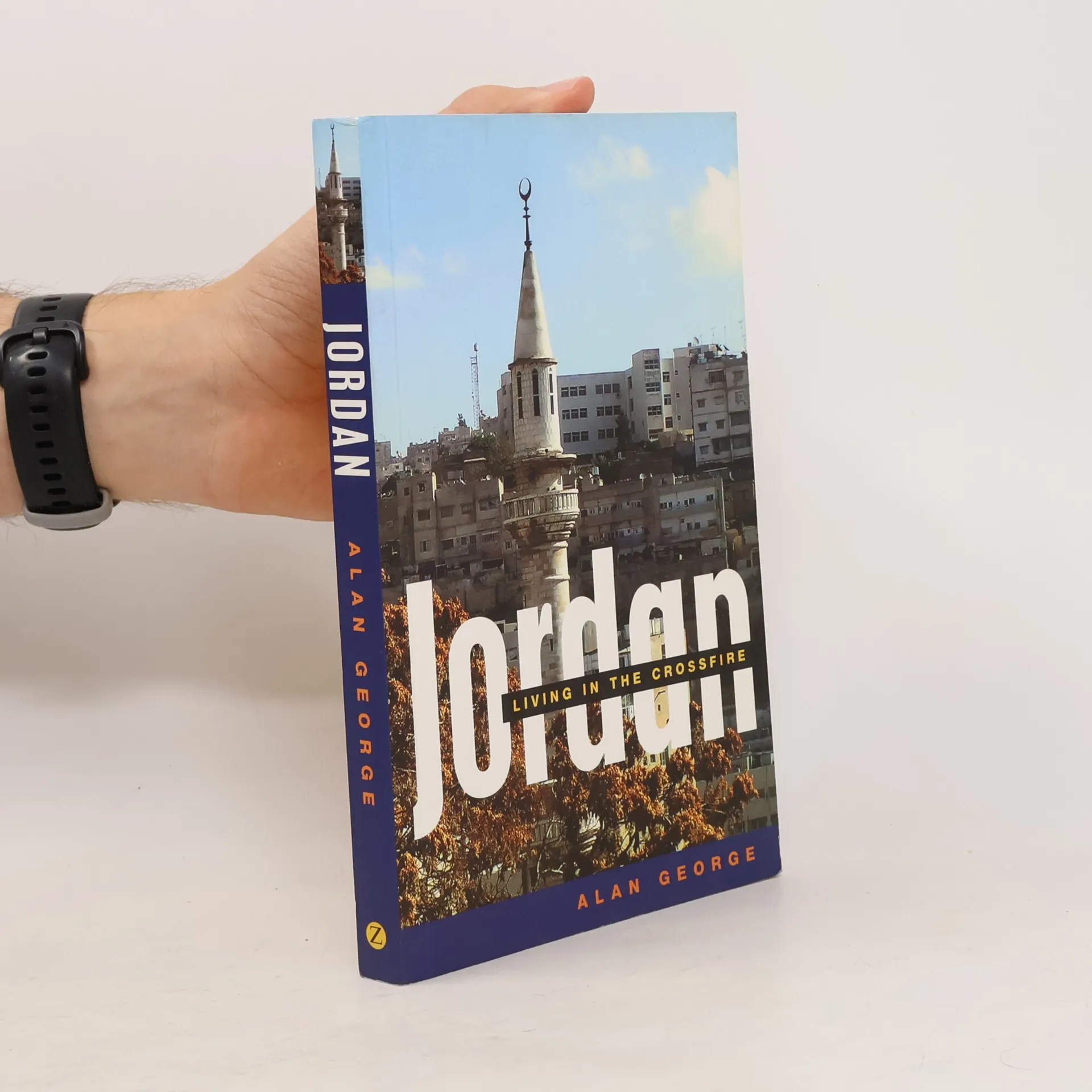
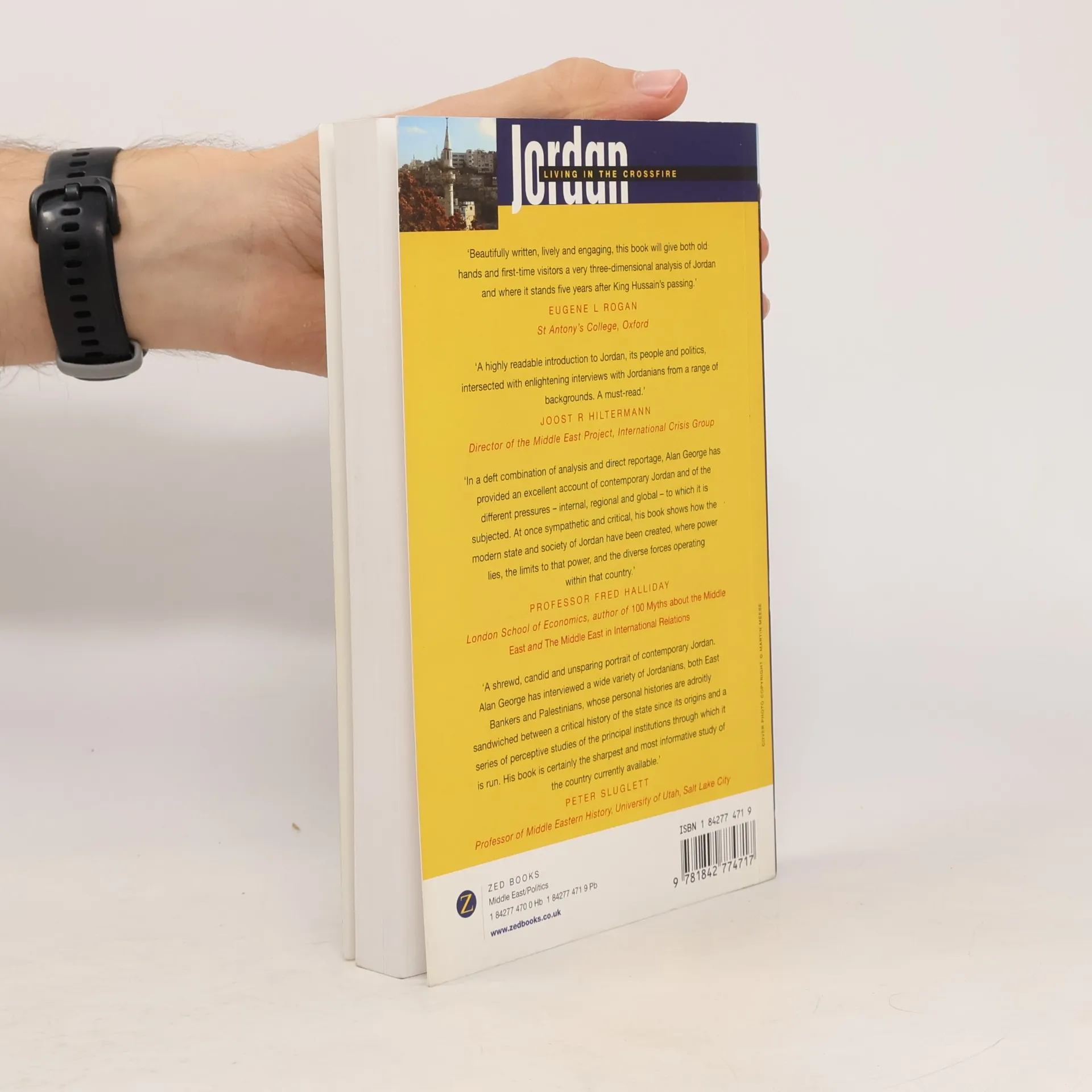
Jordan has played a bigger role in Middle Eastern affairs than its size and economy might warrant, due to its huge Palestinian population, its strategic location between Israel, the West Bank, Syria and Iraq, and its uniquely close relationship with successive British and US administrations. Drawing on numerous visits to the country and interviews with a diversity of people from King Abdullah down, Alan George describes how its reasonably stable monarchical system, unlike that in most Arab countries, has allowed the halting development of civil society and maintained control through the skilful co-option of opponents rather than heavy-handed reliance on its secret police. What is daily life like? How do its parliamentary system and political parties work? How free are the media? What are the future prospects of this buffer 'state without a nation'?
Zakup książki
Jordan, George Alan Appleby
- Język

- Rok wydania
- 2005
- Oprawa
- (miękka),
- Stan książki
- Bardzo dobry
- Cena
- 42,70 zł
Metody płatności
Nikt jeszcze nie ocenił.
- Tytuł
- Jordan
- Podtytuł
- Living in the Crossfire
- Język
- angielski
- Autorzy
- George Alan Appleby
- Wydawca
- Zed Books
- Rok wydania
- 2005
- Oprawa
- miękka
- Liczba stron
- 288
- ISBN10
- 1842774719
- ISBN13
- 9781842774717
- Seria
- Tagi
- Tematy historyczne, Polityka, Teorie polityczne, Stosunki międzynarodowe, Dyplomacja, Afryka Północna, Jordania
- Opis
- Jordan has played a bigger role in Middle Eastern affairs than its size and economy might warrant, due to its huge Palestinian population, its strategic location between Israel, the West Bank, Syria and Iraq, and its uniquely close relationship with successive British and US administrations. Drawing on numerous visits to the country and interviews with a diversity of people from King Abdullah down, Alan George describes how its reasonably stable monarchical system, unlike that in most Arab countries, has allowed the halting development of civil society and maintained control through the skilful co-option of opponents rather than heavy-handed reliance on its secret police. What is daily life like? How do its parliamentary system and political parties work? How free are the media? What are the future prospects of this buffer 'state without a nation'?