

Więcej o książce
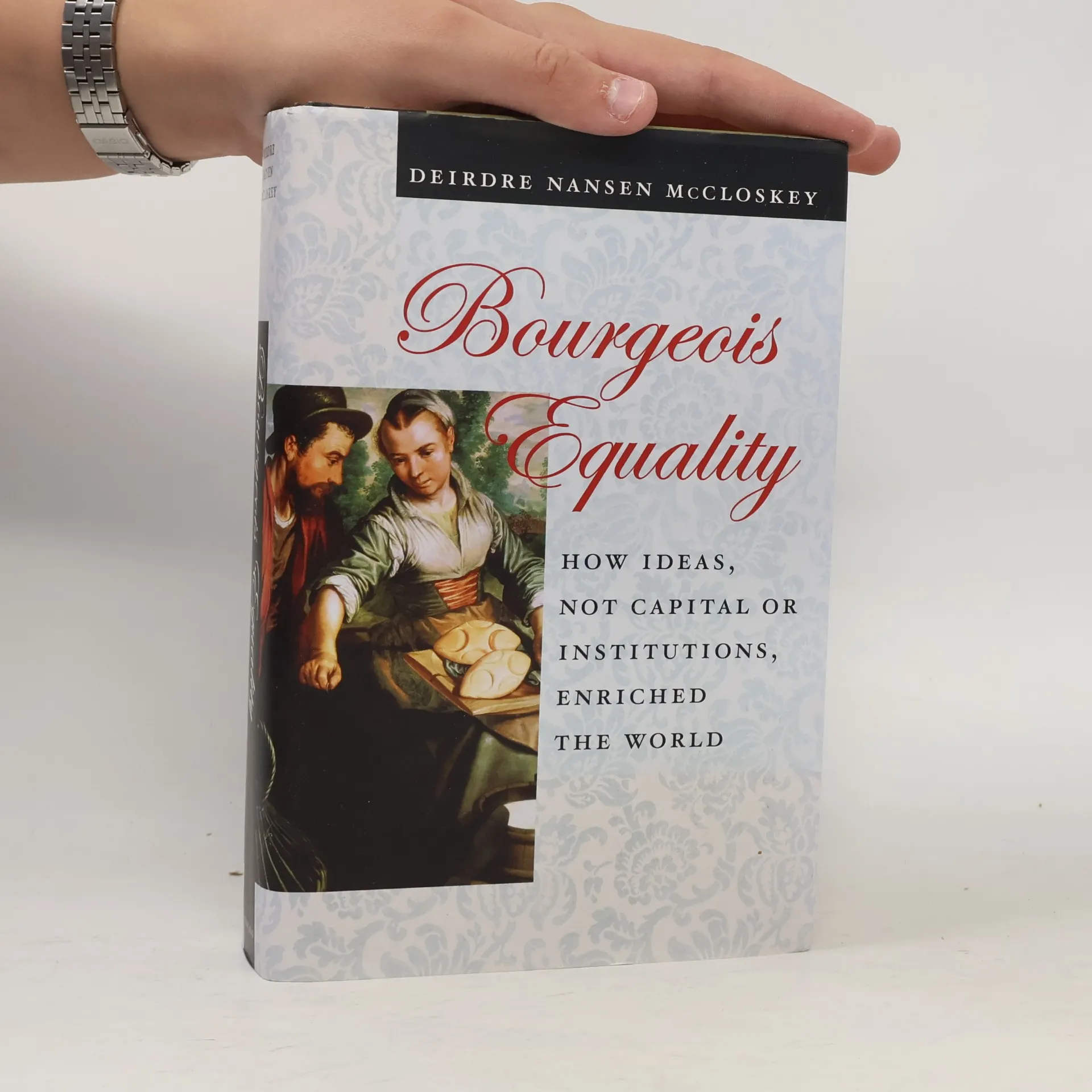
Most humans today are significantly better off than their ancestors, a point emphasized by economist and historian Deirdre McCloskey in the final volume of her trilogy that champions the often-criticized virtues of the bourgeoisie. McCloskey argues that the poorest will soon experience relative wealth akin to that of Japan, Sweden, and Botswana. Contrary to the views of many economists, from Adam Smith to Thomas Piketty, who attribute the Great Enrichment since 1800 to accumulated capital, McCloskey asserts that our prosperity stems from ideas, not just material wealth. While capital is essential, she likens it to oxygen—necessary but not the driving force behind “trade-tested betterment.” She critiques the World Bank's approach of simply adding institutions, asserting that it fails to address the root cause of progress. Instead, she highlights the transformative power of ideas, particularly those promoting equal liberty and dignity for ordinary individuals. This liberalism emerged from revolutions in northwest Europe, fostering a unique respect for innovation and challenging established hierarchies. McCloskey's writing is both compelling and insightful, blending economic history with a narrative urgency that reveals the profound impact of ideas over material factors. Her work is a bold and captivating exploration of economic thought.
Zakup książki
Bourgeois Equality, Deirdre N. McCloskey
- Język

- Rok wydania
- 2016
- Oprawa
- (twarda)
Metody płatności
Nikt jeszcze nie ocenił.
- Tytuł
- Bourgeois Equality
- Podtytuł
- How Ideas, Not Capital or Institutions, Enriched the World
- Język
- angielski
- Autorzy
- Deirdre N. McCloskey
- Rok wydania
- 2016
- Oprawa
- twarda
- Liczba stron
- 768
- ISBN10
- 022633399X
- ISBN13
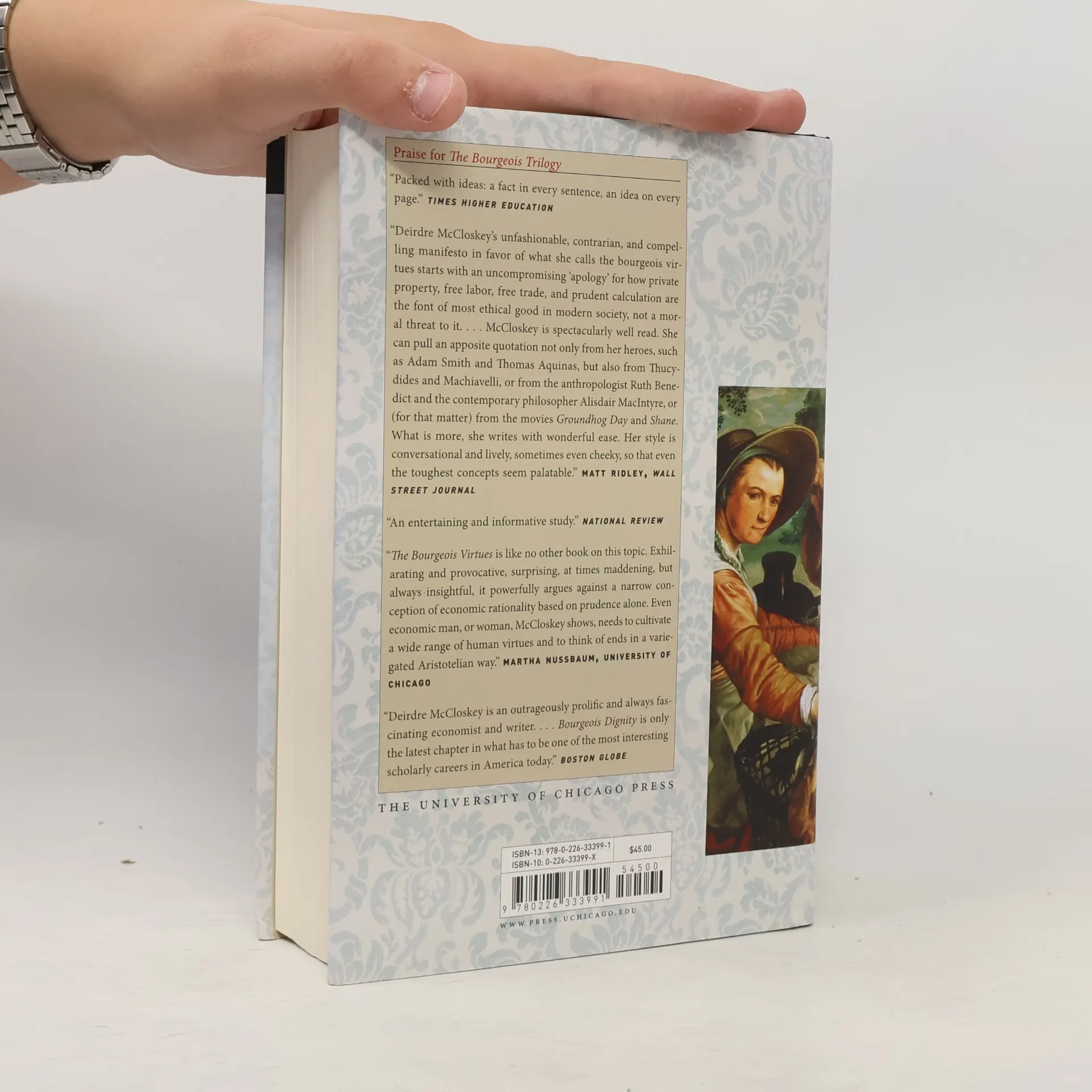
- 9780226333991
- Seria
- Kategorie
- Tagi
- Tematy historyczne, Biznes, Polityka, USA, Europa, Teorie polityczne, Teorie naukowe, Historia gospodarcza
- Opis
- Most humans today are significantly better off than their ancestors, a point emphasized by economist and historian Deirdre McCloskey in the final volume of her trilogy that champions the often-criticized virtues of the bourgeoisie. McCloskey argues that the poorest will soon experience relative wealth akin to that of Japan, Sweden, and Botswana. Contrary to the views of many economists, from Adam Smith to Thomas Piketty, who attribute the Great Enrichment since 1800 to accumulated capital, McCloskey asserts that our prosperity stems from ideas, not just material wealth. While capital is essential, she likens it to oxygen—necessary but not the driving force behind “trade-tested betterment.” She critiques the World Bank's approach of simply adding institutions, asserting that it fails to address the root cause of progress. Instead, she highlights the transformative power of ideas, particularly those promoting equal liberty and dignity for ordinary individuals. This liberalism emerged from revolutions in northwest Europe, fostering a unique respect for innovation and challenging established hierarchies. McCloskey's writing is both compelling and insightful, blending economic history with a narrative urgency that reveals the profound impact of ideas over material factors. Her work is a bold and captivating exploration of economic thought.