




Więcej o książce
On a rainy day in May 1988, a lowland gorilla named Willie B. stepped outdoors for the first time in twenty-seven years, entering a new landscape immersion exhibit. Captured in Africa and sold to a zoo, Willie B. spent decades in a cage as zoos evolved their approach to animal displays. They shifted from collecting wild animals to creating exhibits that simulate natural habitats like the Amazon and African forests, reflecting changing public desires for authentic experiences with wildlife. Since the first zoological park opened in the U.S. in 1874, zoos have aimed to provide visitors with a journey into nature, attracting over 130 million Americans annually for education and outdoor enjoyment. This book-length history of American zoos explores the cultural significance of these institutions, examining how they have assembled and displayed their animal collections. Situated in the American middle landscape, zoos embody the ongoing tensions between wildness and civilization, science and popular culture, and education and entertainment. Through their efforts to foster nature appreciation, they reveal insights into how our culture perceives the natural world and humanity's role within it, highlighting the evolution of these ideas over time.
Zakup książki
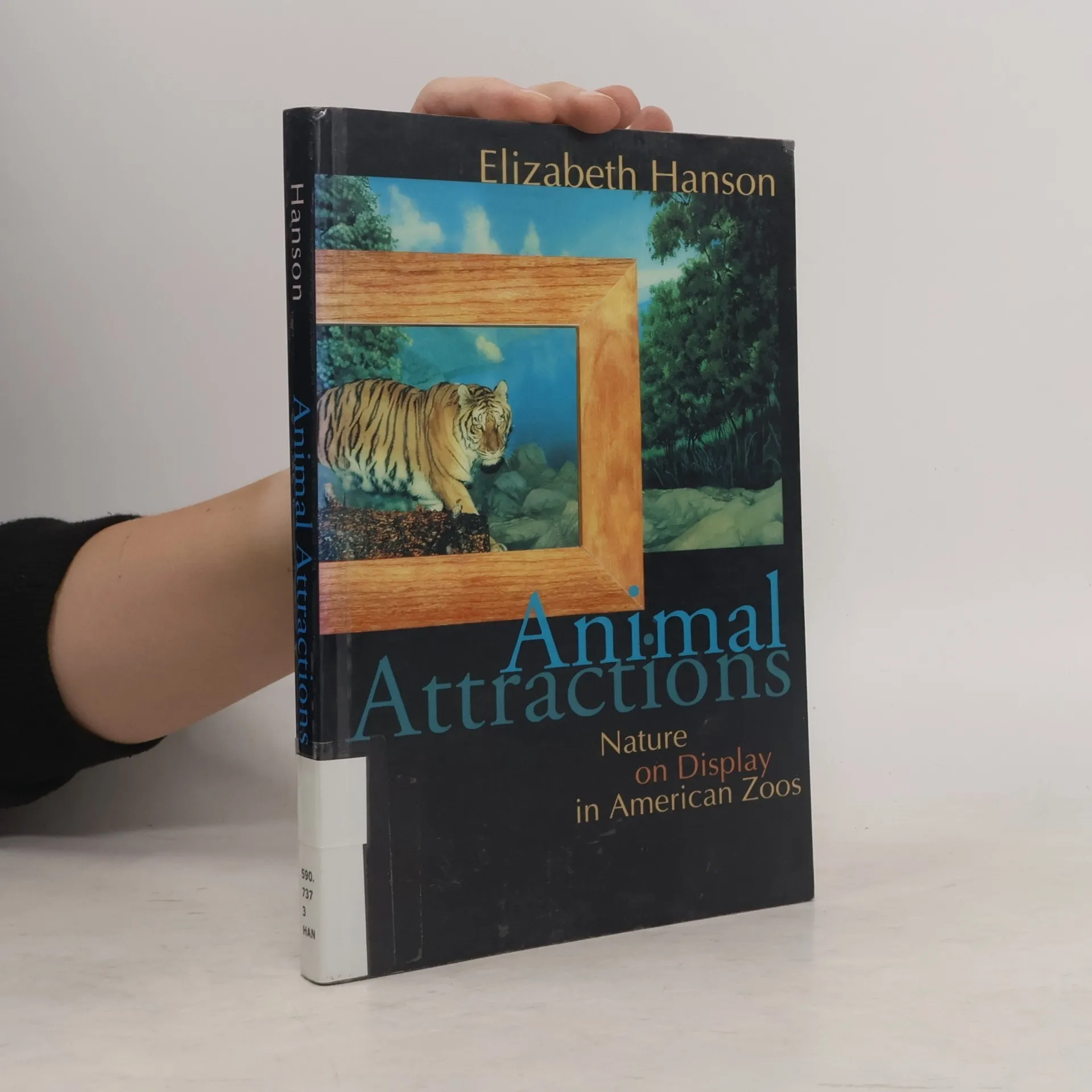
Animal Attractions, Elizabeth Hanson
- Język

- Rok wydania
- 2004
- Oprawa
- (miękka),
- Stan książki
- Uszkodzony
- Cena
- 37,11 zł
Metody płatności
Nikt jeszcze nie ocenił.
- Tytuł
- Animal Attractions
- Podtytuł
- Nature on Display in American Zoos
- Język
- angielski
- Autorzy
- Elizabeth Hanson
- Wydawca
- Princeton University Press
- Rok wydania
- 2004
- Oprawa
- miękka
- Liczba stron
- 256
- ISBN10
- 0691117705
- ISBN13
- 9780691117706
- Seria
- Kategorie
- Tagi
- Tematy historyczne, Przyroda, Tematyka filozoficzna, Zwierzęta, Nauka, USA, Zoologia, Historia nauki, Filozofia nauki
- Opis
- On a rainy day in May 1988, a lowland gorilla named Willie B. stepped outdoors for the first time in twenty-seven years, entering a new landscape immersion exhibit. Captured in Africa and sold to a zoo, Willie B. spent decades in a cage as zoos evolved their approach to animal displays. They shifted from collecting wild animals to creating exhibits that simulate natural habitats like the Amazon and African forests, reflecting changing public desires for authentic experiences with wildlife. Since the first zoological park opened in the U.S. in 1874, zoos have aimed to provide visitors with a journey into nature, attracting over 130 million Americans annually for education and outdoor enjoyment. This book-length history of American zoos explores the cultural significance of these institutions, examining how they have assembled and displayed their animal collections. Situated in the American middle landscape, zoos embody the ongoing tensions between wildness and civilization, science and popular culture, and education and entertainment. Through their efforts to foster nature appreciation, they reveal insights into how our culture perceives the natural world and humanity's role within it, highlighting the evolution of these ideas over time.