

Więcej o książce
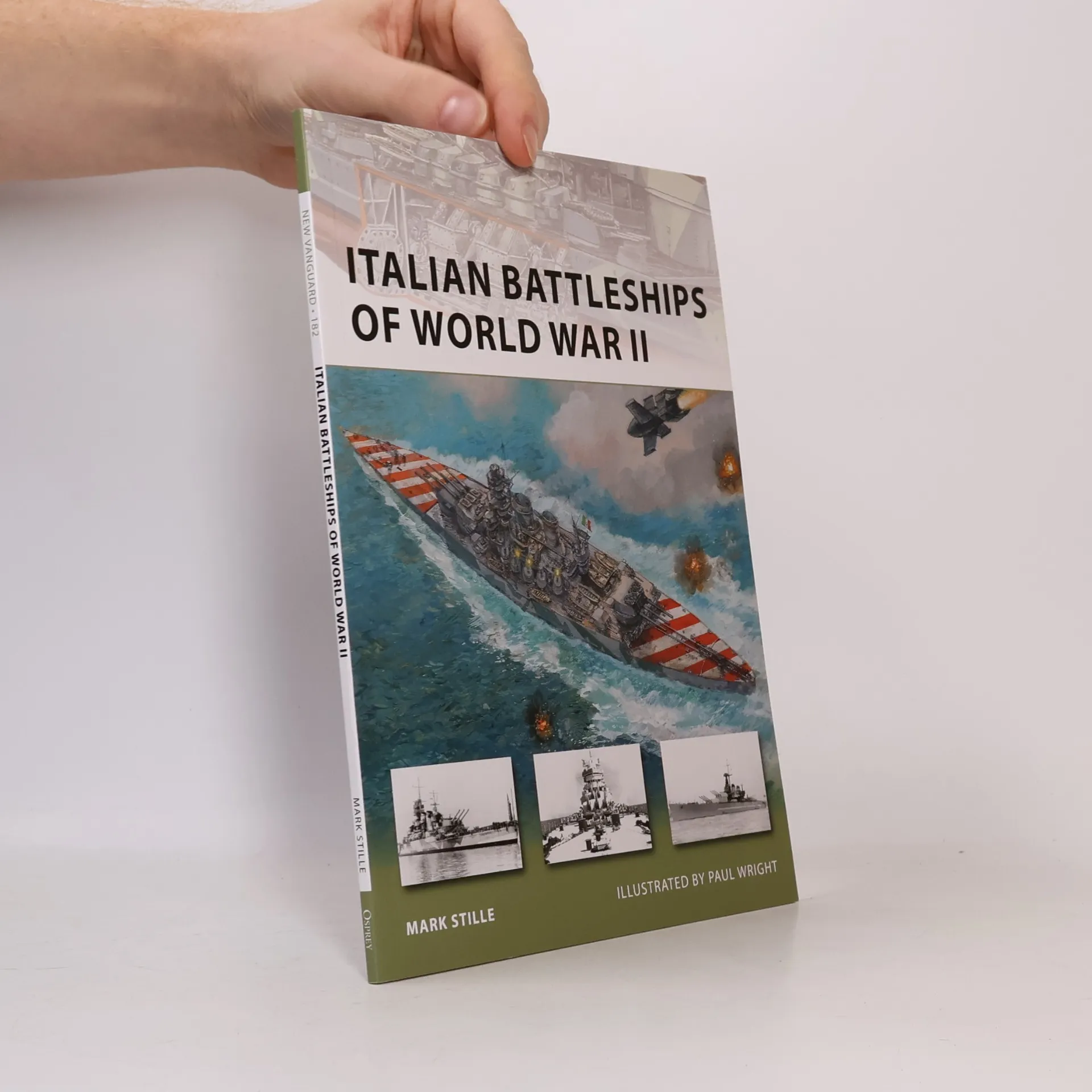
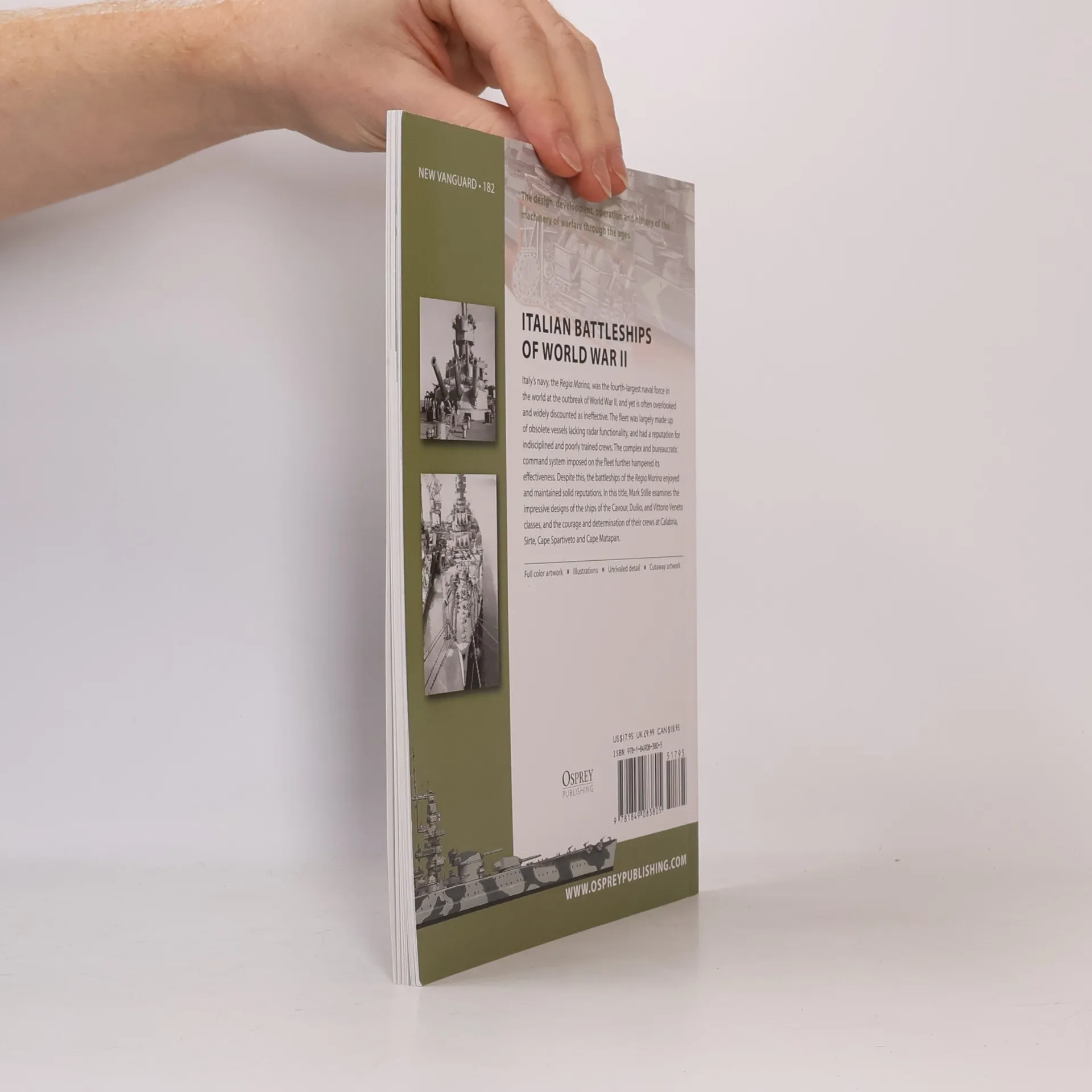
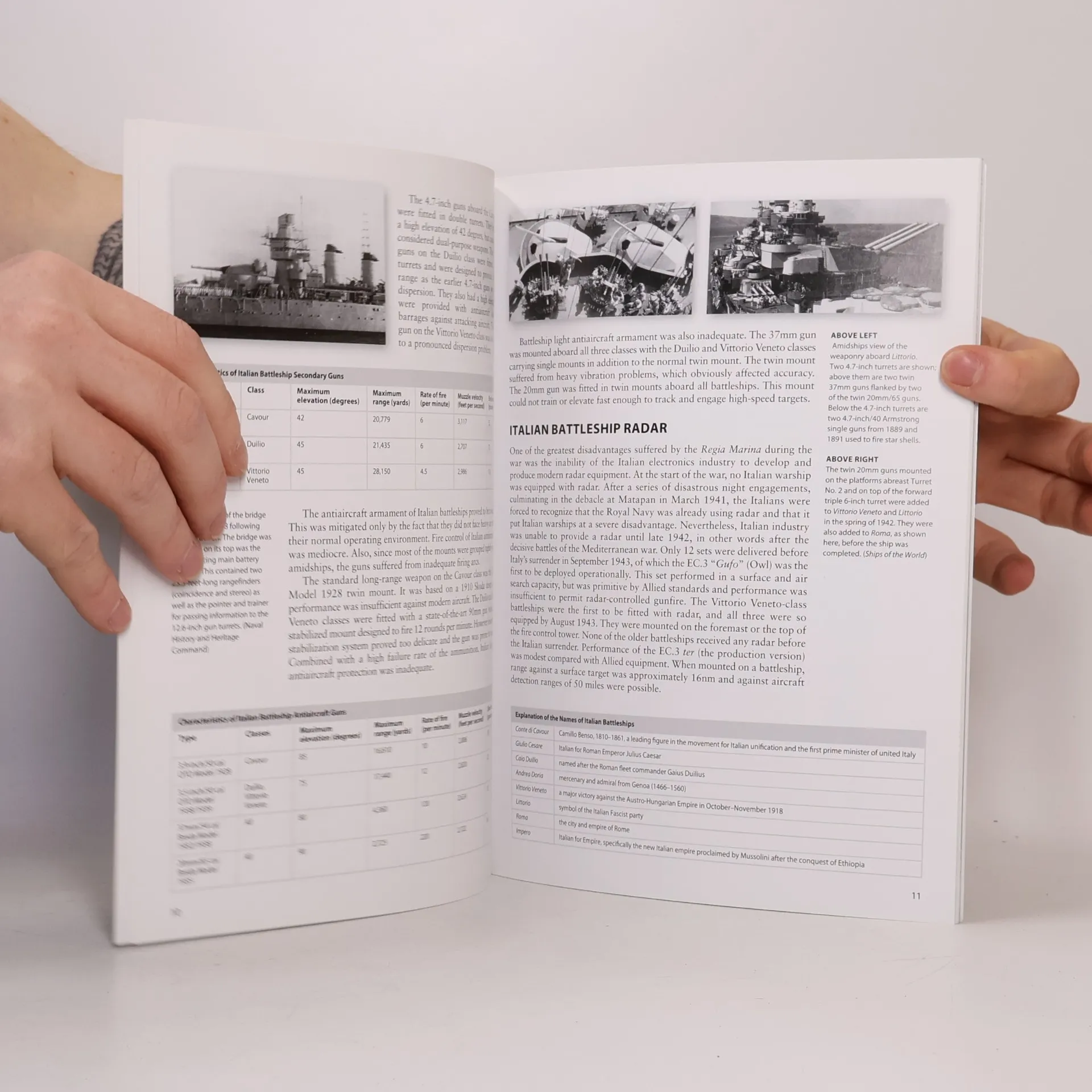
Often overlooked as a naval power of WWII, Italy's Regia Marina was, upon the declaration of war against France, the fourth largest navy in the world. Despite its numbers, the Italian fleet was made up of largely obsolete vessels, none being equipped with radar, and had a reputation for having inadequately-trained crews. Added to these drawbacks, the Italian commanders did not enjoy the discretion of command at sea that their counterparts in the service of other nations did, being directed closely by the Supermarina (Italian Naval Headquarters). Despite these obstacles, and the heavy losses inflicted upon the fleet by the Royal Navy while in harbour at Taranto, the battleships of the Italian Navy enjoyed a good reputation for being well-designed, and served with courage and determination at Punto Stilo/Calabria, Sirte, Cape Spartivento, and Cape Matapan. Mark Stille details, with the aid of many stunning photographs, including several from the Italian Navy's own archives, the battleships of one of the forgotten navies of WWII.
Zakup książki
New Vanguard - 182: Italian Battleships of World War II, Stille Mark E., Paul Wright
- Język

- Rok wydania
- 2011
- Oprawa
- (miękka),
- Stan książki
- Bardzo dobry
- Cena
- 62,38 zł
Metody płatności
Nikt jeszcze nie ocenił.
- Tytuł
- New Vanguard - 182: Italian Battleships of World War II
- Język
- angielski
- Autorzy
- Stille Mark E., Paul Wright
- Wydawca
- Bloomsbury Publishing PLC
- Rok wydania
- 2011
- Oprawa
- miękka
- Liczba stron
- 48
- ISBN10
- 1849083800
- ISBN13
- 9781849083805
- Seria
- Kategorie
- Tagi
- Tematy historyczne, Poradniki, XX wiek, II Wojna Światowa, Europa, Włochy, Marynarka wojenna, Morze Śródziemne, Okręty wojenne, Artyleria, Kalabria
- Opis
- Often overlooked as a naval power of WWII, Italy's Regia Marina was, upon the declaration of war against France, the fourth largest navy in the world. Despite its numbers, the Italian fleet was made up of largely obsolete vessels, none being equipped with radar, and had a reputation for having inadequately-trained crews. Added to these drawbacks, the Italian commanders did not enjoy the discretion of command at sea that their counterparts in the service of other nations did, being directed closely by the Supermarina (Italian Naval Headquarters). Despite these obstacles, and the heavy losses inflicted upon the fleet by the Royal Navy while in harbour at Taranto, the battleships of the Italian Navy enjoyed a good reputation for being well-designed, and served with courage and determination at Punto Stilo/Calabria, Sirte, Cape Spartivento, and Cape Matapan. Mark Stille details, with the aid of many stunning photographs, including several from the Italian Navy's own archives, the battleships of one of the forgotten navies of WWII.