

Więcej o książce
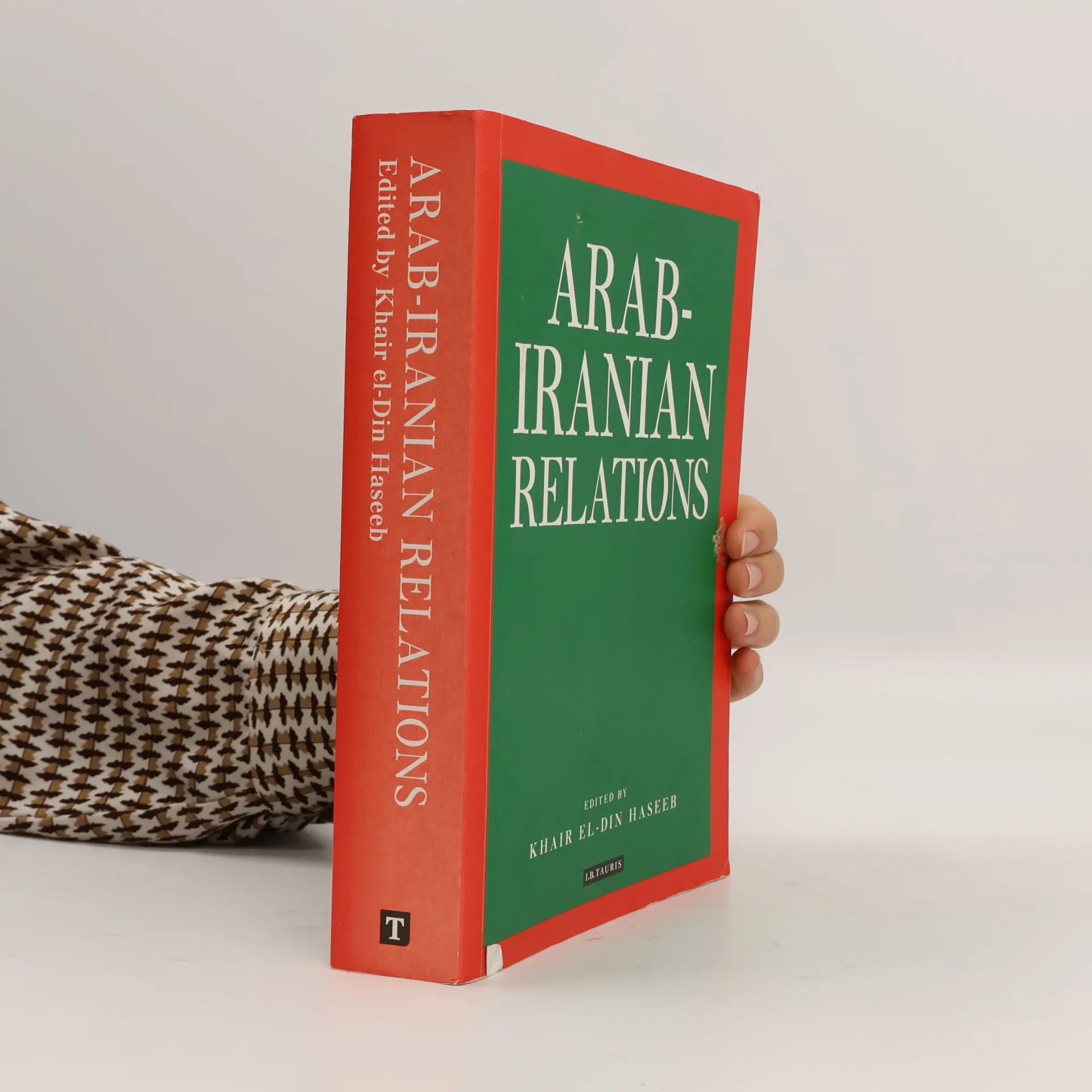
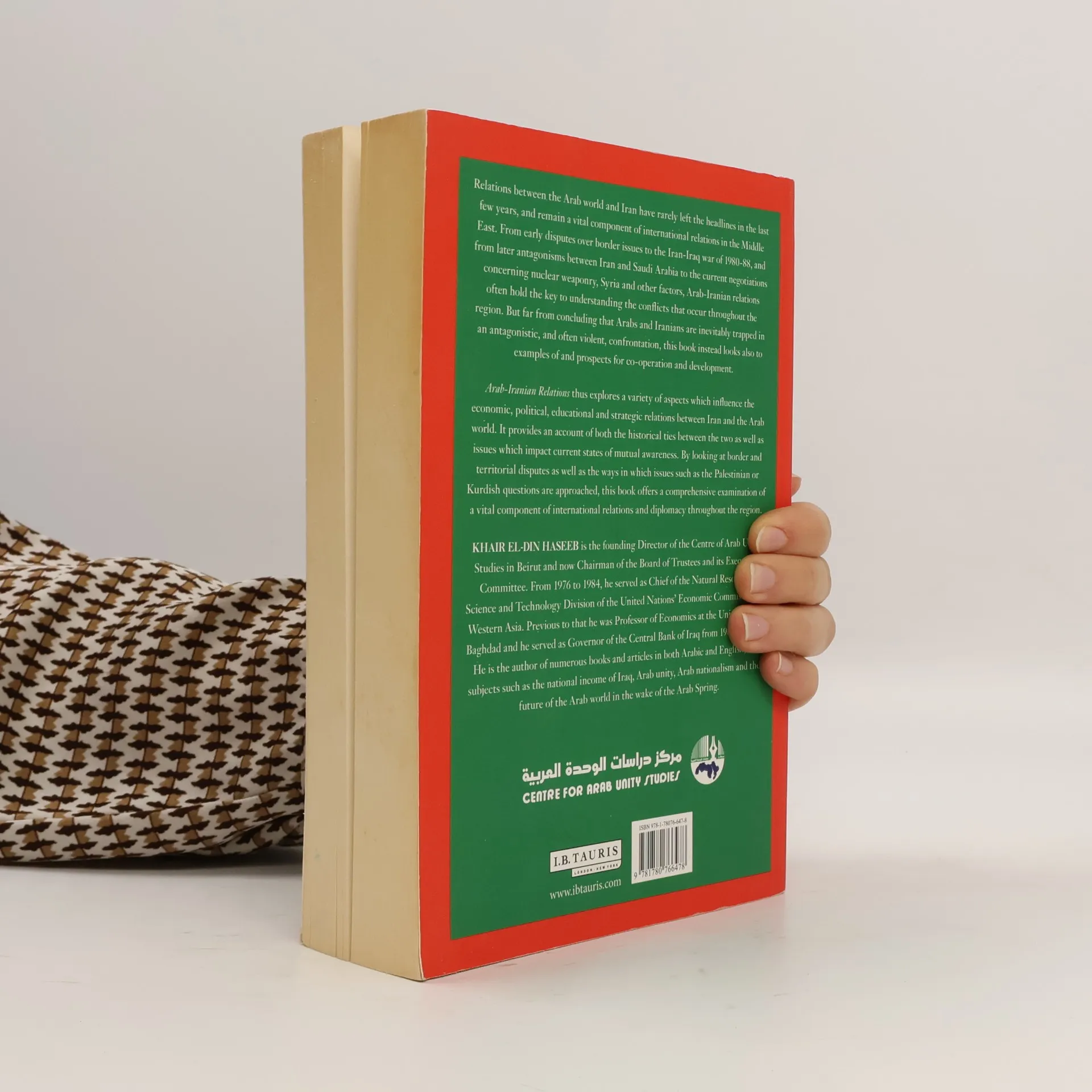
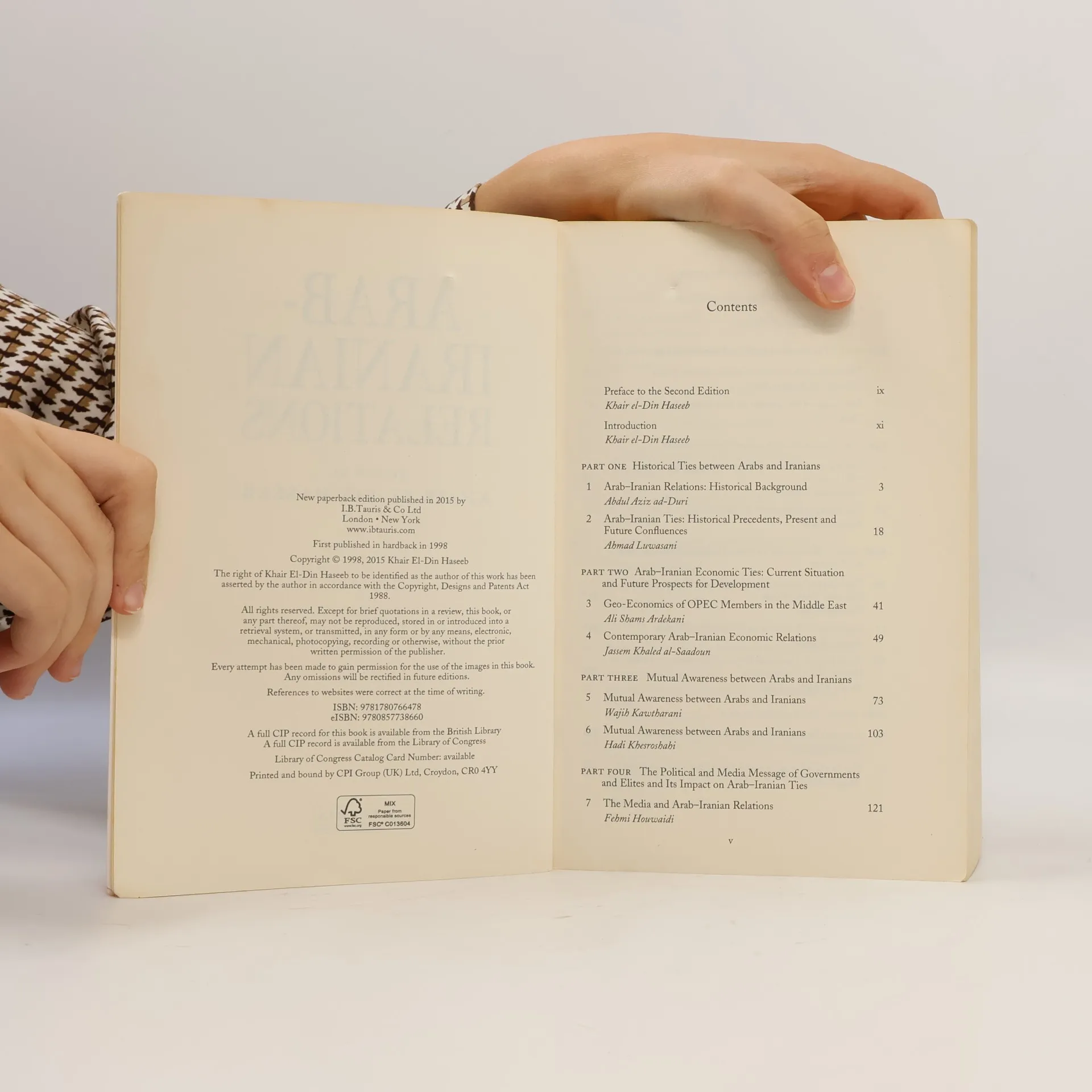
Relations between the Arab world and Iran have rarely left the headlines in the last few years, and remain a vital component of international relations in the Middle East. From early disputes over border issues to the Iran-Iraq war of 1980-88, and from later antagonisms between Iran and Saudi Arabia to the current negotiations concerning nuclear weaponry, Syria and other factors, Arab-Iranian relations often hold the key to understanding the conflicts that occur throughout the region. But far from concluding that Arabs and Iranians are inevitably trapped in an antagonistic, and often violent, confrontation, this book instead looks also to examples of and prospects for co-operation and development. Through analysis of a variety of aspects which influence Arab-Iranian relations, such as economic ties, public perception of the relationship, gender dimensions and education, this book offers a comprehensive examination of a vital component of international relations and diplomacy in the Middle East.
Zakup książki
Arab-Iranian Relations, Khair el-Din Haseeb
- Język

- Rok wydania
- 2015
- Oprawa
- (twarda),
- Stan książki
- Dobry
- Cena
- 103,41 zł
Metody płatności
Nikt jeszcze nie ocenił.
- Tytuł
- Arab-Iranian Relations
- Język
- angielski
- Autorzy
- Khair el-Din Haseeb
- Wydawca
- I.B. Tauris
- Rok wydania
- 2015
- Oprawa
- twarda
- Liczba stron
- 584
- ISBN10
- 1780766475
- ISBN13
- 9781780766478
- Seria
- Tagi
- Opis
- Relations between the Arab world and Iran have rarely left the headlines in the last few years, and remain a vital component of international relations in the Middle East. From early disputes over border issues to the Iran-Iraq war of 1980-88, and from later antagonisms between Iran and Saudi Arabia to the current negotiations concerning nuclear weaponry, Syria and other factors, Arab-Iranian relations often hold the key to understanding the conflicts that occur throughout the region. But far from concluding that Arabs and Iranians are inevitably trapped in an antagonistic, and often violent, confrontation, this book instead looks also to examples of and prospects for co-operation and development. Through analysis of a variety of aspects which influence Arab-Iranian relations, such as economic ties, public perception of the relationship, gender dimensions and education, this book offers a comprehensive examination of a vital component of international relations and diplomacy in the Middle East.