



Więcej o książce
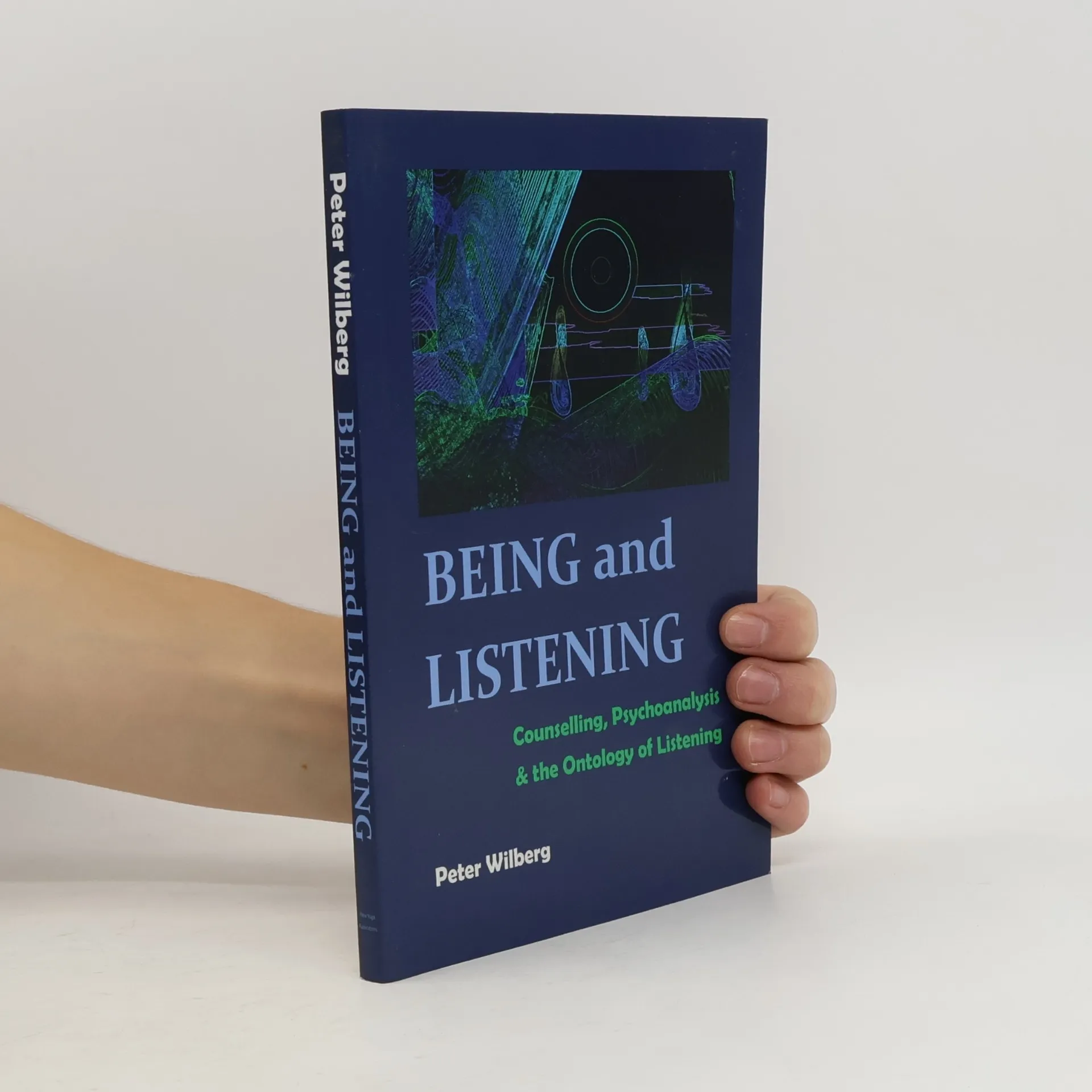
This book is the first of several by Peter Wilberg exploring the ontological dimension of listening in psychotherapy and somatic medicine, fulfilling Martin Heidegger's hope that philosophical insights benefit those in need. The German word for listening (zuhoren) is linked to 'to hear' (horen), 'to belong' (gehoren), and 'belonging together' (Zugehorigkeit), emphasizing the unity of 'Being and Listening.' Heidegger's phrase, "We hear, not the ear," suggests that it is beings, not just physical ears, that engage in hearing, highlighting a sense of 'we-ness' in listening. How we are addressed and the manner of communication reflects our listening attunement. Heidegger notes that hearing involves more than passive reception; it shapes perception itself. This 'language of listening' may be unfamiliar to those trained in Freudian or cognitive therapies, yet it deepens the understanding of listening as a fundamental way of 'being with' another in silence. This capacity to patiently 'be' with someone’s suffering allows them to face it more patiently, fostering a transformative process that can lead to new insights and a renewed way of being, rooted in an evolved approach to listening.
Zakup książki
Being and Listening, Peter Wilberg
- Język

- Rok wydania
- 2013
- Oprawa
- (miękka),
- Stan książki
- Dobry
- Cena
- 80,61 zł
Metody płatności
Nikt jeszcze nie ocenił.
- Tytuł
- Being and Listening
- Podtytuł
- Counselling, Psychoanalysis and the Ontology of Listening
- Język
- angielski
- Autorzy
- Peter Wilberg
- Rok wydania
- 2013
- Oprawa
- miękka
- Liczba stron
- 182
- ISBN10
- 1483920852
- ISBN13
- 9781483920856
- Seria
- Opis
- This book is the first of several by Peter Wilberg exploring the ontological dimension of listening in psychotherapy and somatic medicine, fulfilling Martin Heidegger's hope that philosophical insights benefit those in need. The German word for listening (zuhoren) is linked to 'to hear' (horen), 'to belong' (gehoren), and 'belonging together' (Zugehorigkeit), emphasizing the unity of 'Being and Listening.' Heidegger's phrase, "We hear, not the ear," suggests that it is beings, not just physical ears, that engage in hearing, highlighting a sense of 'we-ness' in listening. How we are addressed and the manner of communication reflects our listening attunement. Heidegger notes that hearing involves more than passive reception; it shapes perception itself. This 'language of listening' may be unfamiliar to those trained in Freudian or cognitive therapies, yet it deepens the understanding of listening as a fundamental way of 'being with' another in silence. This capacity to patiently 'be' with someone’s suffering allows them to face it more patiently, fostering a transformative process that can lead to new insights and a renewed way of being, rooted in an evolved approach to listening.