

Parametry
- 232 strony
- 9 godzin czytania
Więcej o książce
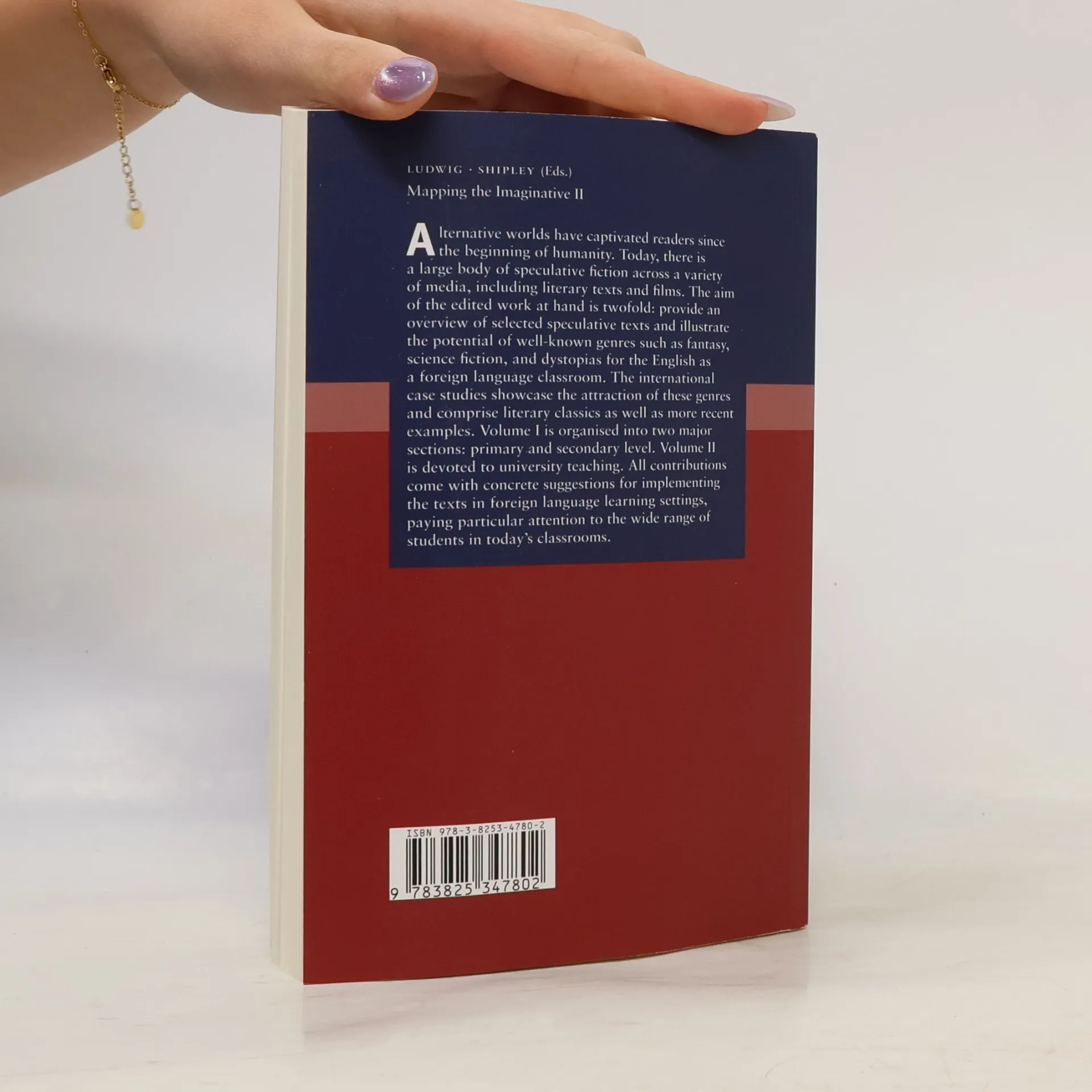
Alternative worlds have captivated readers since the beginning of humanity. Today, there is a large body of speculative fiction across a variety of media, including literary texts and films. The aim of the edited work at hand is twofold: provide an overview of selected speculative texts and illustrate the potential of well-known genres such as fantasy, science fiction, and dystopias for the English as a foreign language classroom. The international case studies showcase the attraction of these genres and comprise literary classics as well as more recent examples. Part I is organised into two major sections: primary and secondary level. Part II is devoted to university teaching. All contributions come with concrete suggestions for implementing the texts in foreign language learning settings, paying particular attention to the wide range of students in today's classrooms.
Zakup książki
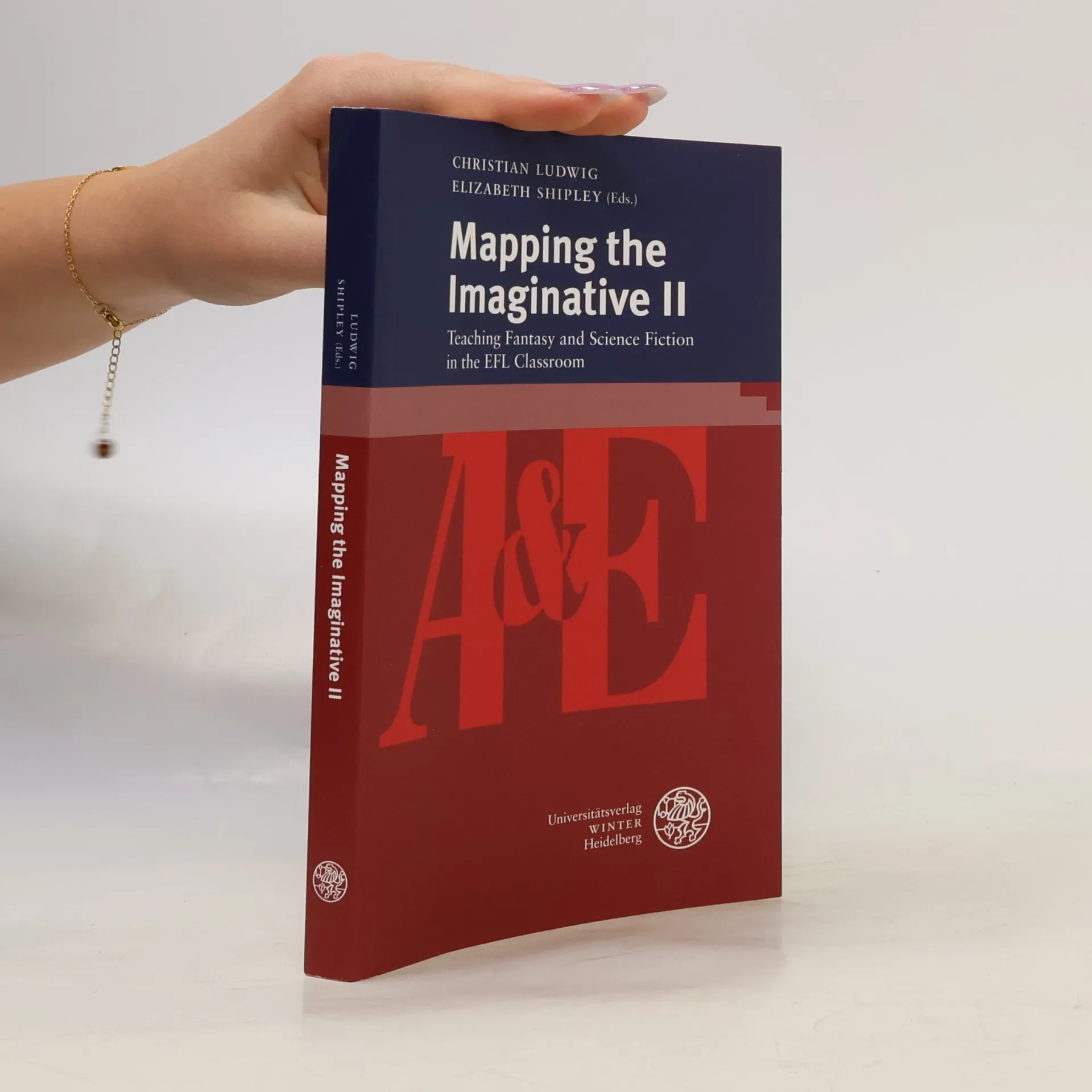
Mapping the Imaginative II, Christian Ludwig, Elizabeth Shipley
- Język

- Rok wydania
- 2020
- Oprawa
- (miękka),
- Stan książki
- Dobry
- Cena
- 96,99 zł
Metody płatności
Nikt jeszcze nie ocenił.
- Tytuł
- Mapping the Imaginative II
- Podtytuł
- Teaching Fantasy and Science Fiction in the EFL Classroom
- Język
- angielski
- Autorzy
- Christian Ludwig, Elizabeth Shipley
- Wydawca
- Universitätsverlag Winter
- Rok wydania
- 2020
- Oprawa
- miękka
- Liczba stron
- 232
- ISBN10
- 382534780X
- ISBN13
- 9783825347802
- Seria
- Tagi
- Podręczniki akademickie, Edukacja & Szkolnictwo, Literatura angielska, Krytyka literacka, Obcy, Dla zaawansowanych, Utopia, Fantastyka
- Opis
- Alternative worlds have captivated readers since the beginning of humanity. Today, there is a large body of speculative fiction across a variety of media, including literary texts and films. The aim of the edited work at hand is twofold: provide an overview of selected speculative texts and illustrate the potential of well-known genres such as fantasy, science fiction, and dystopias for the English as a foreign language classroom. The international case studies showcase the attraction of these genres and comprise literary classics as well as more recent examples. Part I is organised into two major sections: primary and secondary level. Part II is devoted to university teaching. All contributions come with concrete suggestions for implementing the texts in foreign language learning settings, paying particular attention to the wide range of students in today's classrooms.