




Więcej o książce
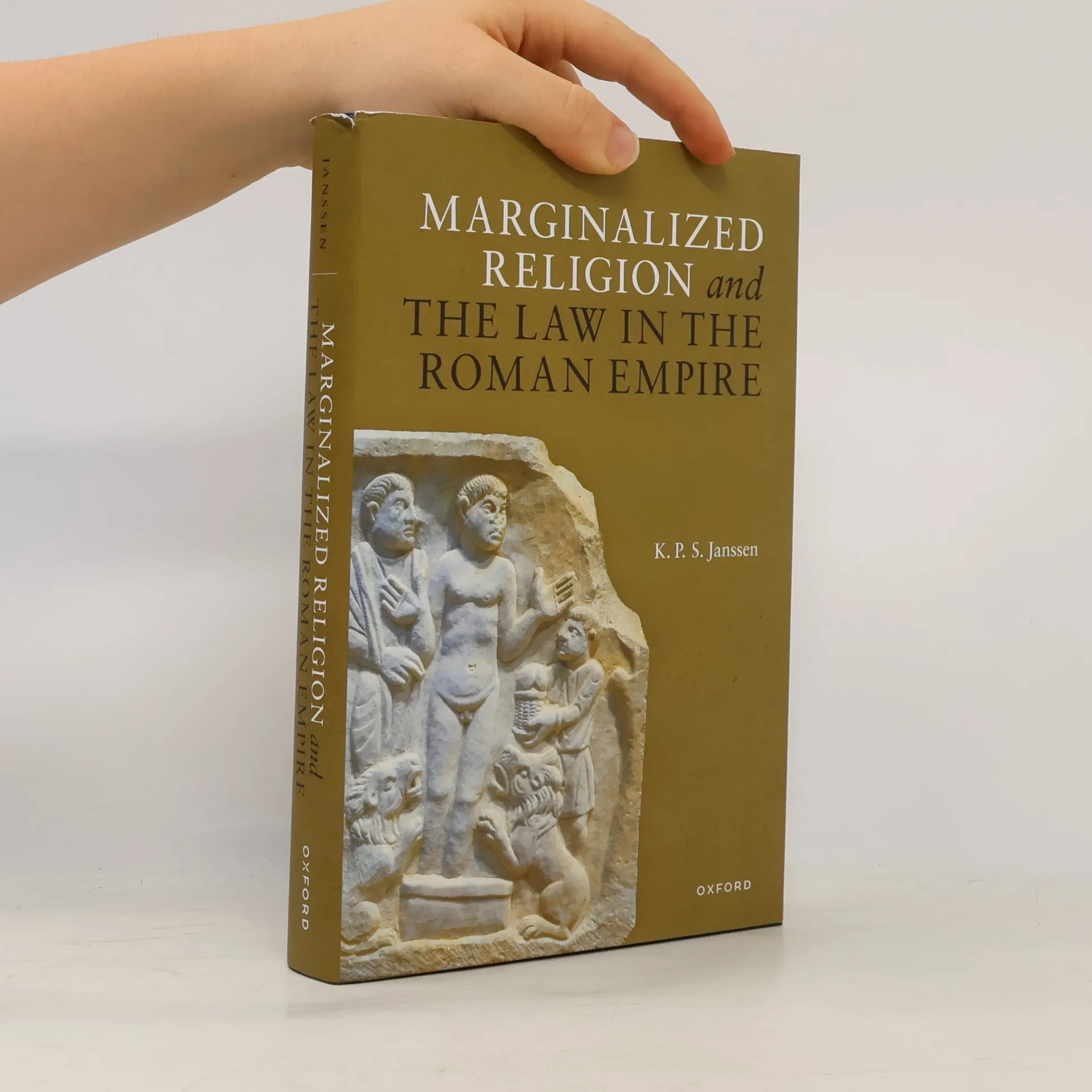
The Roman Empire's approach to religion has been viewed as paradoxical. Rome is often seen as tolerant and flexible regarding the diverse religious practices within its territories, yet certain groups were marginalized. The legal interactions of these groups with Roman authorities have typically been studied in isolation. In this work, K. P. S. Janssen adopts a comparative approach to examine how various marginalized religious groups engaged with the broader Roman legal system. By analyzing the legal positions of private diviners, Jewish communities, and early Christians, Janssen provides a comprehensive perspective on the treatment of marginalized religions in the Roman world. He argues that the interactions between these groups and Roman authorities are best understood within the broader context of Roman law and administration, highlighting several shared characteristics. Although the treatment of these groups was not identical, the underlying procedural, socio-political, and ideological mechanisms of the legal measures were notably similar. This comparative analysis sheds light on the complexities of religious marginalization in the Roman Empire and the intricate relationship between religion and law during this period.
Zakup książki
Marginalized Religion and the Law in the Roman Empire, K. P. S. Janssen
- Język

- Rok wydania
- 2024
- Oprawa
- (twarda),
- Stan książki
- Dobry
- Cena
- 511,67 zł
Metody płatności
Nikt jeszcze nie ocenił.
- Tytuł
- Marginalized Religion and the Law in the Roman Empire
- Język
- angielski
- Autorzy
- K. P. S. Janssen
- Wydawca
- Oxford University Press
- Rok wydania
- 2024
- Oprawa
- twarda
- Liczba stron
- 416
- ISBN10
- 0192856103
- ISBN13
- 9780192856104
- Seria
- Tagi
- Tematy historyczne, Tematy religijne, Tematy prawne, Starożytność, Historia religii, Historia prawa
- Opis
- The Roman Empire's approach to religion has been viewed as paradoxical. Rome is often seen as tolerant and flexible regarding the diverse religious practices within its territories, yet certain groups were marginalized. The legal interactions of these groups with Roman authorities have typically been studied in isolation. In this work, K. P. S. Janssen adopts a comparative approach to examine how various marginalized religious groups engaged with the broader Roman legal system. By analyzing the legal positions of private diviners, Jewish communities, and early Christians, Janssen provides a comprehensive perspective on the treatment of marginalized religions in the Roman world. He argues that the interactions between these groups and Roman authorities are best understood within the broader context of Roman law and administration, highlighting several shared characteristics. Although the treatment of these groups was not identical, the underlying procedural, socio-political, and ideological mechanisms of the legal measures were notably similar. This comparative analysis sheds light on the complexities of religious marginalization in the Roman Empire and the intricate relationship between religion and law during this period.