



Parametry
- 608 stron
- 22 godziny czytania
Więcej o książce
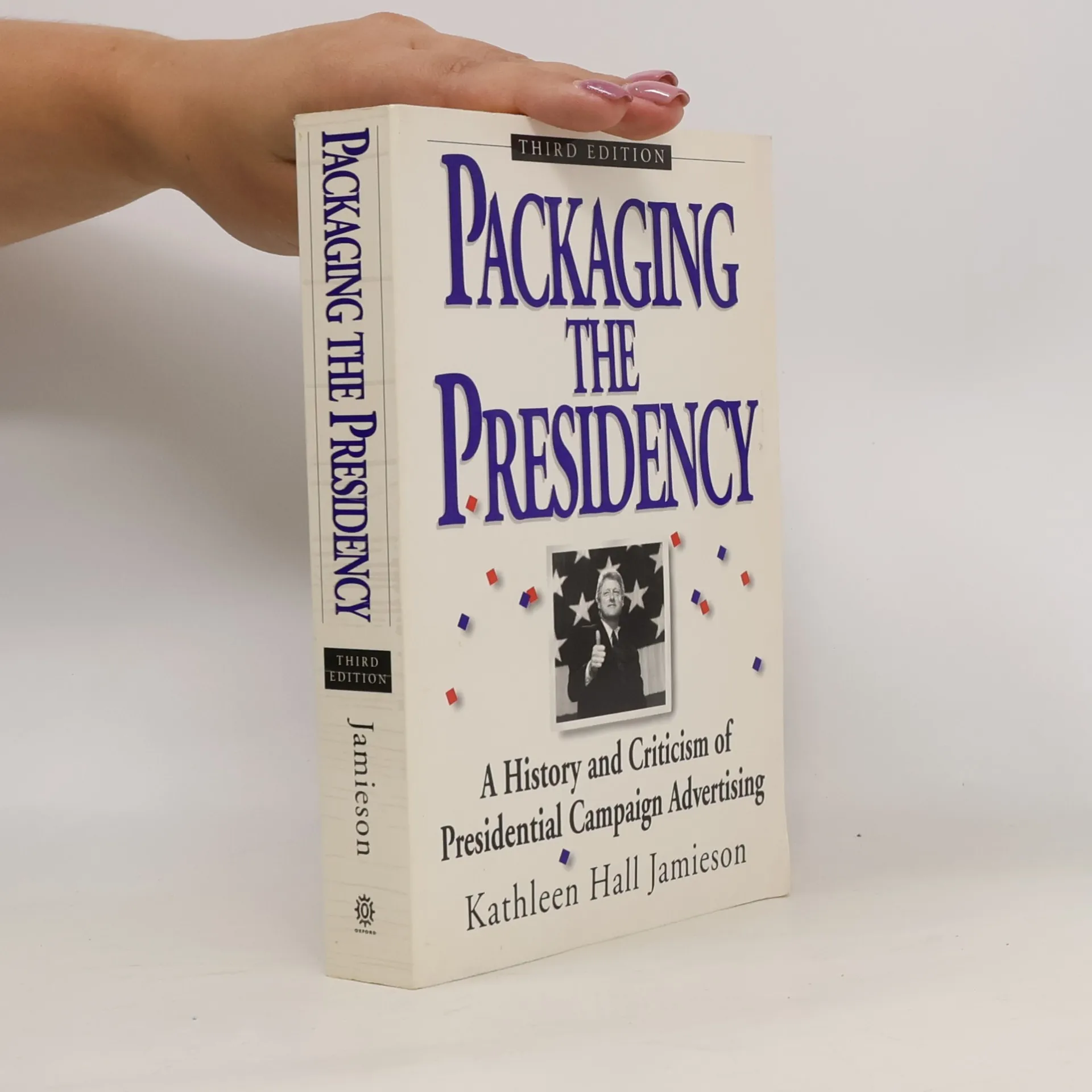
Packaging the Presidency, Third Edition , is now completely updated to offer the only comprehensive study of the history and effects of political advertising in the United States. Noted political critic Kathleen Hall Jamieson traces the development of presidential campaigning from early political songs and slogans through newsprint and radio, and up to the inevitable history of presidential campaigning on television from Eisenhower to Clinton. The book also covers important issues in the debate about political advertising by touching on the development of laws governing political advertising, as well as how such advertising reflects, and at the same time helps to create, the nature of the American political office. Finally, current public concerns about political advertising are addressed as Jamieson raises the topic of ads dealing mainly in images rather than issues, and of political aspirations becoming increasingly only for the rich, who can afford the enormous cost oftelevision advertising.
Zakup książki
Packaging the Presidency, Kathleen Hall Jamieson
- Język

- Rok wydania
- 1996
- Oprawa
- (miękka),
- Stan książki
- Dobry
- Cena
- 47,99 zł
Metody płatności
Nikt jeszcze nie ocenił.
- Tytuł
- Packaging the Presidency
- Podtytuł
- A History and Criticism of Presidential Campaign Advertising - Third Edition
- Język
- angielski
- Autorzy
- Kathleen Hall Jamieson
- Wydawca
- Oxford University Press
- Rok wydania
- 1996
- Oprawa
- miękka
- Liczba stron
- 608
- ISBN10
- 0195089421
- ISBN13
- 9780195089424
- Seria
- Kategorie
- Opis
- Packaging the Presidency, Third Edition , is now completely updated to offer the only comprehensive study of the history and effects of political advertising in the United States. Noted political critic Kathleen Hall Jamieson traces the development of presidential campaigning from early political songs and slogans through newsprint and radio, and up to the inevitable history of presidential campaigning on television from Eisenhower to Clinton. The book also covers important issues in the debate about political advertising by touching on the development of laws governing political advertising, as well as how such advertising reflects, and at the same time helps to create, the nature of the American political office. Finally, current public concerns about political advertising are addressed as Jamieson raises the topic of ads dealing mainly in images rather than issues, and of political aspirations becoming increasingly only for the rich, who can afford the enormous cost oftelevision advertising.