

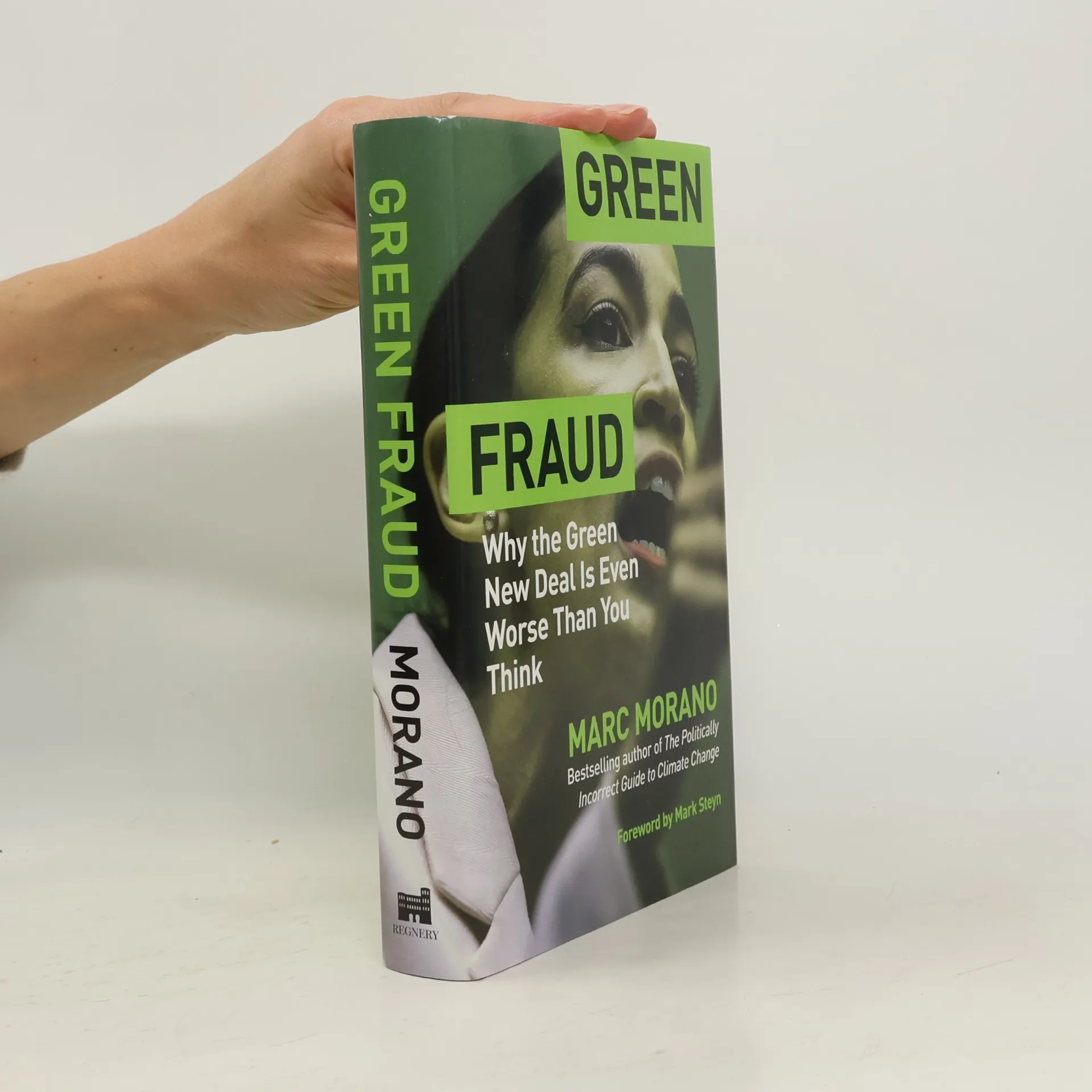
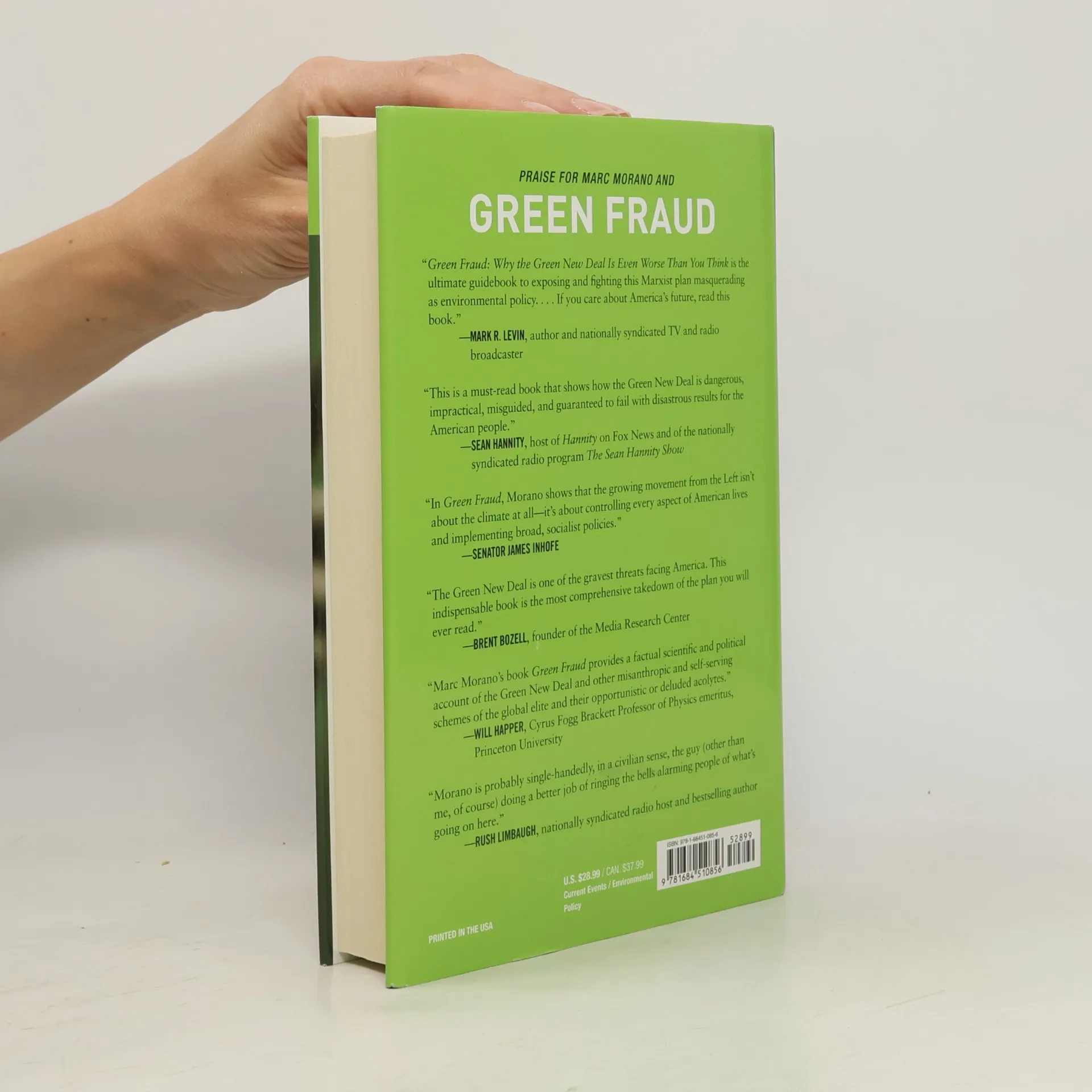

Green Fraud
Why The Green New Deal Is Even Worse Than You Think
Autorzy
Parametry
- 256 stron
- 9 godzin czytania
Więcej o książce
Marc Morano’s analysis of the proposed Green New Deal is both eye-opening and damning. He exposes the program as a far-left agenda filled with progressive policies disguised as environmental solutions. Morano argues that regardless of the environmental crisis at hand, the same alarming solution is consistently suggested. He illustrates how the Green New Deal paves the way for “global governance,” which would lead to diminished freedom, reduced sovereignty, increased government bureaucracy, and significant wealth redistribution. By referencing past “new deals,” he examines the impacts of FDR’s New Deal and Lyndon Johnson’s “Great Society” on American society, drawing parallels to the current proposal. Morano reveals that the Green New Deal's objectives extend beyond environmental concerns, encompassing free college, government-provided “healthy food,” and “safe, affordable, adequate housing.” He points to Europe, where advanced climate policies have resulted in energy rationing, economic stagnation, and rising living costs, leading to widespread hardship. Even allies of the Green New Deal, such as the New York Times and Washington Post, have exposed it as a wish-list of progressive policies. Morano emphasizes the necessity for America to reject the Green New Deal and restore rationality to climate and energy policy discussions.
Zakup książki
Green Fraud, Mark Steyn, Marc Morano
- Język

- Rok wydania
- 2021
- Oprawa
- (twarda)
Metody płatności
Nikt jeszcze nie ocenił.
- Tytuł
- Green Fraud
- Podtytuł
- Why The Green New Deal Is Even Worse Than You Think
- Język
- angielski
- Autorzy
- Mark Steyn, Marc Morano
- Wydawca
- Regnery Publishing
- Rok wydania
- 2021
- Oprawa
- twarda
- Liczba stron
- 256
- ISBN10
- 1684510856
- ISBN13
- 9781684510856
- Seria
- Kategorie
- Tagi
- Polityka, Nauka, USA, Tematy ekologiczne, Teorie polityczne, Zmiany klimatyczne, Prawo cywilne, Globalne ocieplenie
- Opis
- Marc Morano’s analysis of the proposed Green New Deal is both eye-opening and damning. He exposes the program as a far-left agenda filled with progressive policies disguised as environmental solutions. Morano argues that regardless of the environmental crisis at hand, the same alarming solution is consistently suggested. He illustrates how the Green New Deal paves the way for “global governance,” which would lead to diminished freedom, reduced sovereignty, increased government bureaucracy, and significant wealth redistribution. By referencing past “new deals,” he examines the impacts of FDR’s New Deal and Lyndon Johnson’s “Great Society” on American society, drawing parallels to the current proposal. Morano reveals that the Green New Deal's objectives extend beyond environmental concerns, encompassing free college, government-provided “healthy food,” and “safe, affordable, adequate housing.” He points to Europe, where advanced climate policies have resulted in energy rationing, economic stagnation, and rising living costs, leading to widespread hardship. Even allies of the Green New Deal, such as the New York Times and Washington Post, have exposed it as a wish-list of progressive policies. Morano emphasizes the necessity for America to reject the Green New Deal and restore rationality to climate and energy policy discussions.