

Parametry
- 496 stron
- 18 godzin czytania
Więcej o książce
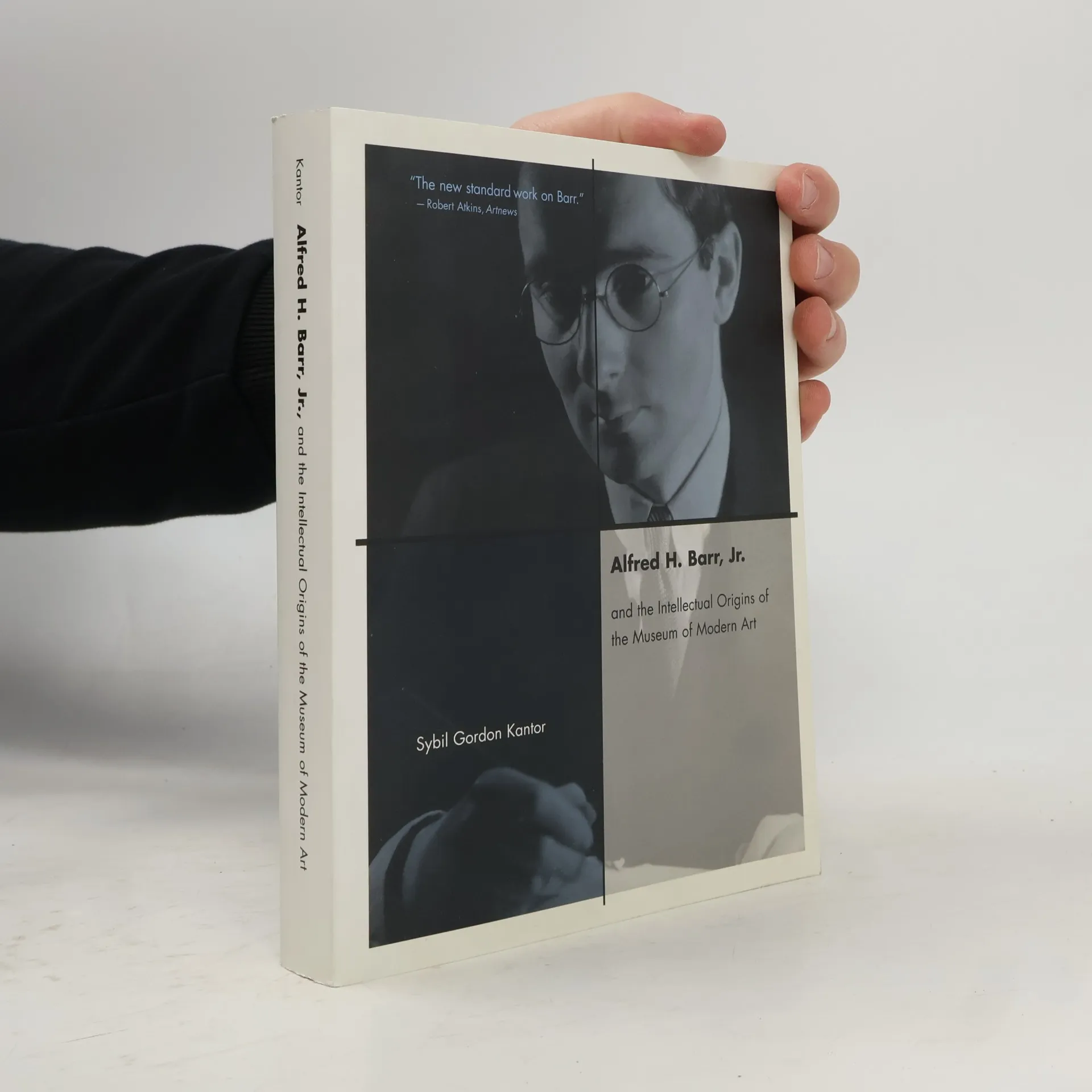
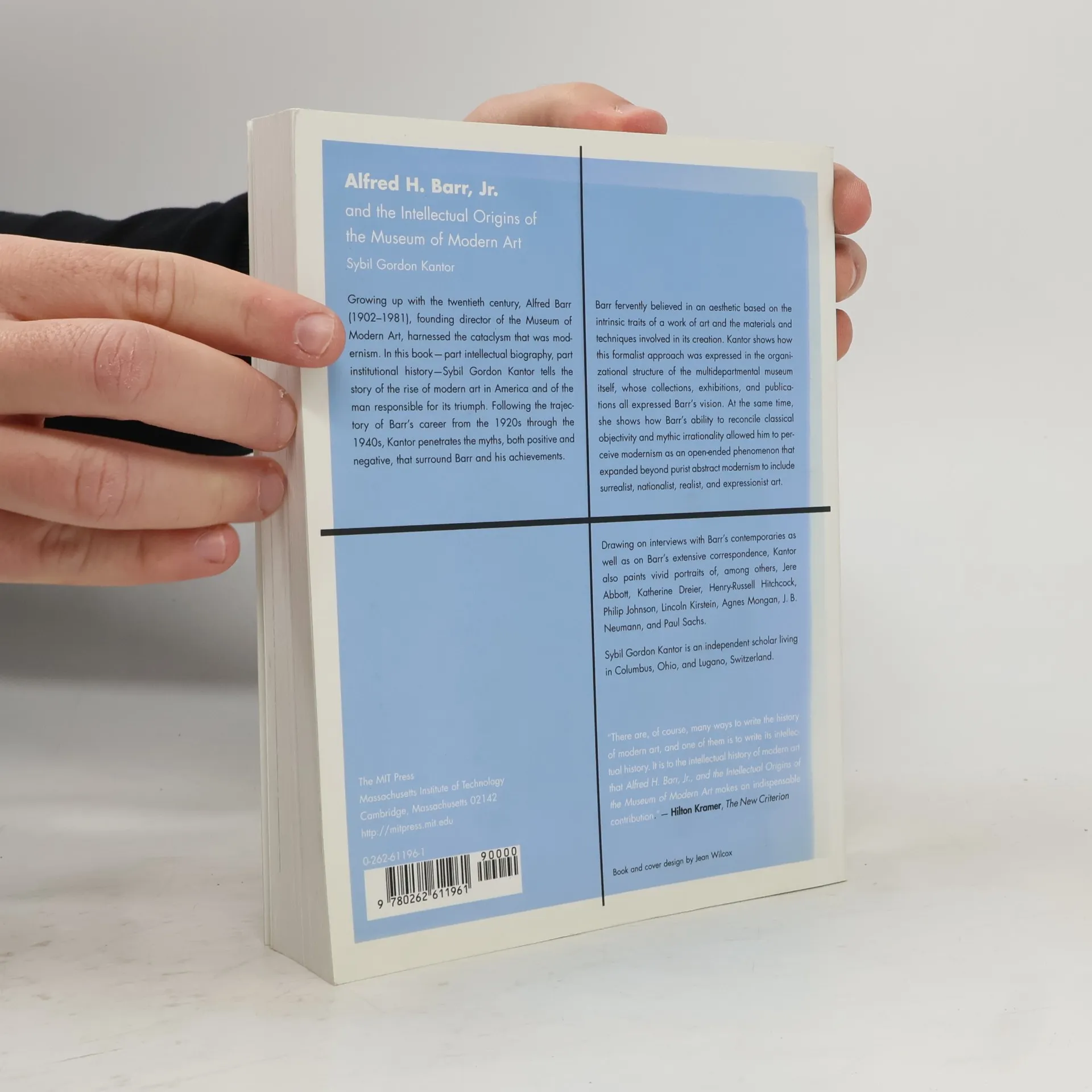
This intellectual biography explores the life of Alfred H. Barr, Jr., the founding director of the Museum of Modern Art. Growing up in the twentieth century, Barr (1902-1981) played a pivotal role in the emergence of modern art in America. The narrative follows his career from the 1920s to the 1940s, unraveling the myths surrounding his contributions. Barr championed an aesthetic rooted in the intrinsic qualities of art and the techniques used in its creation. This formalist perspective shaped the museum's structure, influencing its collections, exhibitions, and publications. Kantor illustrates how Barr reconciled classical objectivity with mythic irrationality, allowing him to view modernism as an ever-evolving concept that encompassed various styles, including surrealism, nationalism, realism, and expressionism. Through interviews with Barr's contemporaries and his extensive correspondence, Kantor vividly portrays key figures such as Jere Abbott, Katherine Dreier, Henry-Russell Hitchcock, Philip Johnson, Lincoln Kirstein, Agnes Mongan, J. B. Neumann, and Paul Sachs. This work not only highlights Barr's significant impact on modern art but also provides insight into the cultural landscape of the time.
Zakup książki
Alfred H. Barr, Jr. and the Intellectual Origins of the Museum of Modern Art, Sybil Gordon Kantor
- Język

- Rok wydania
- 2003
- Oprawa
- (miękka),
- Stan książki
- Dobry
- Cena
- 64,99 zł
Metody płatności
Nikt jeszcze nie ocenił.
- Tytuł
- Alfred H. Barr, Jr. and the Intellectual Origins of the Museum of Modern Art
- Język
- angielski
- Autorzy
- Sybil Gordon Kantor
- Wydawca
- Mit Press Ltd
- Rok wydania
- 2003
- Oprawa
- miękka
- Liczba stron
- 496
- ISBN10
- 0262611961
- ISBN13
- 9780262611961
- Seria
- Tagi
- Tematy historyczne, Biznes, Przygodowe, Tematyka psychologiczna, Kryminały & Sensacja, Tematyka filozoficzna, Zwierzęta, Sztuka, Tematyka muzyczna, Architektura, Duchowość, Przyjaźń, USA, Literatura amerykańska, Edukacja & Szkolnictwo, Szkoła, Tematyka filmowa, Feminizm, Historia sztuki, Historia Europy, Krytyka literacka, Pisanie, Inspiracje, Nowy Jork, Kultura, Przemoc, Kreatywność, Krytyka, Artyści, Sztuka Nowoczesna, Renesans, Modernizm, Zen, Estetyka, Surrealizm, Artystka, Muzealnictwo, Kubizm
- Opis
- This intellectual biography explores the life of Alfred H. Barr, Jr., the founding director of the Museum of Modern Art. Growing up in the twentieth century, Barr (1902-1981) played a pivotal role in the emergence of modern art in America. The narrative follows his career from the 1920s to the 1940s, unraveling the myths surrounding his contributions. Barr championed an aesthetic rooted in the intrinsic qualities of art and the techniques used in its creation. This formalist perspective shaped the museum's structure, influencing its collections, exhibitions, and publications. Kantor illustrates how Barr reconciled classical objectivity with mythic irrationality, allowing him to view modernism as an ever-evolving concept that encompassed various styles, including surrealism, nationalism, realism, and expressionism. Through interviews with Barr's contemporaries and his extensive correspondence, Kantor vividly portrays key figures such as Jere Abbott, Katherine Dreier, Henry-Russell Hitchcock, Philip Johnson, Lincoln Kirstein, Agnes Mongan, J. B. Neumann, and Paul Sachs. This work not only highlights Barr's significant impact on modern art but also provides insight into the cultural landscape of the time.