


Parametry
- 422 strony
- 15 godzin czytania
Więcej o książce
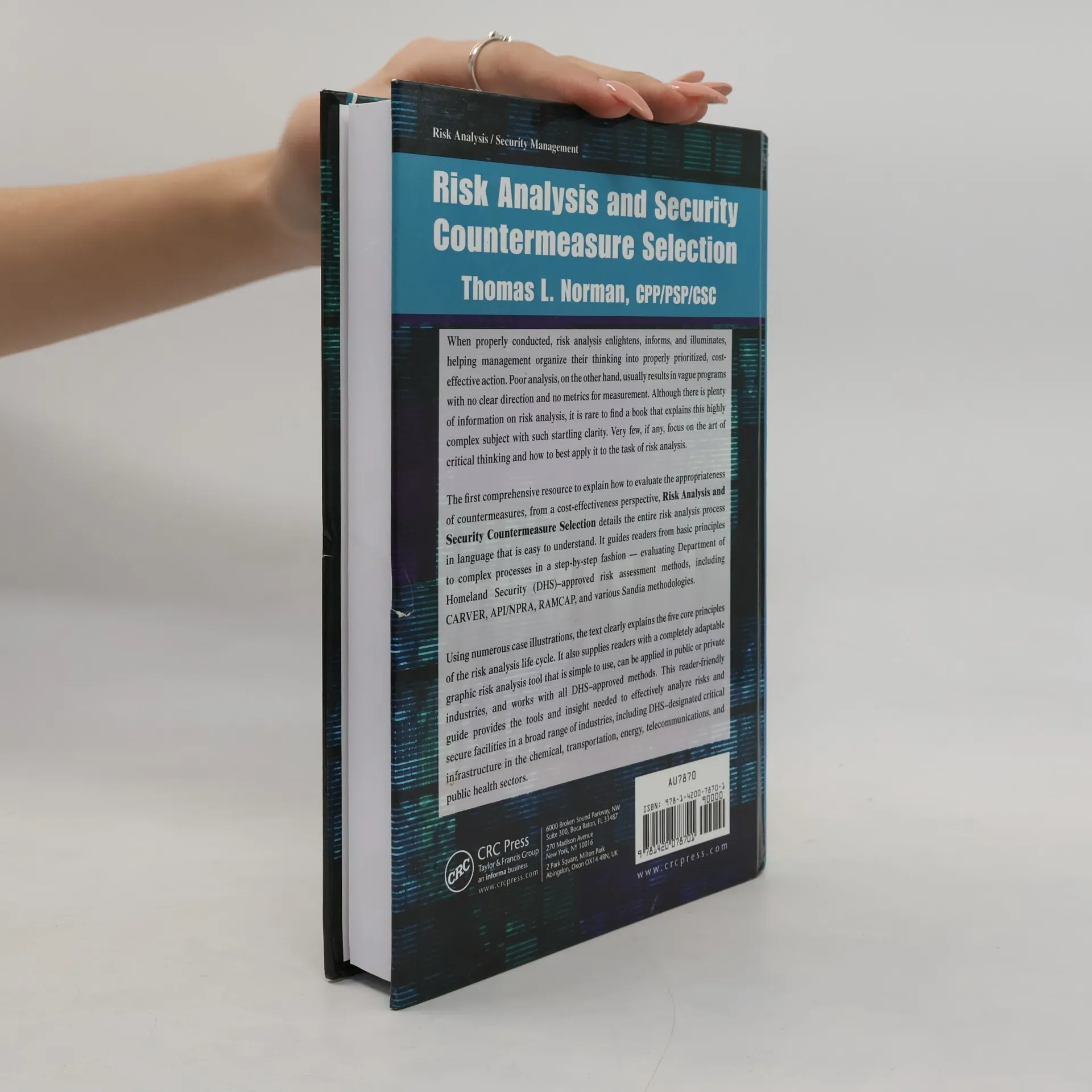
When conducted properly, risk analysis enlightens management, helping prioritize cost-effective actions. Conversely, poor analysis leads to vague programs lacking clear direction and measurable metrics. While information on risk analysis is abundant, few resources explain this complex subject with such clarity, particularly focusing on critical thinking's application. This comprehensive resource details the risk analysis process in accessible language, guiding readers from basic principles to complex evaluations of countermeasures from a cost-effectiveness perspective. It covers DHS-approved risk assessment methods, including CARVER, API/NPRA, RAMCAP, and Sandia methodologies, through step-by-step explanations. The text illustrates the five core principles of the risk analysis lifecycle—assets, threats, vulnerabilities, risks, and countermeasures—using numerous case studies. Additionally, it provides a user-friendly, adaptable graphic risk analysis tool applicable in both public and private sectors, compatible with all DHS-approved methods. This guide equips readers with the necessary tools and insights to analyze risks effectively and secure facilities across various industries, including critical infrastructure in chemical, transportation, energy, telecommunications, and public health sectors.
Zakup książki
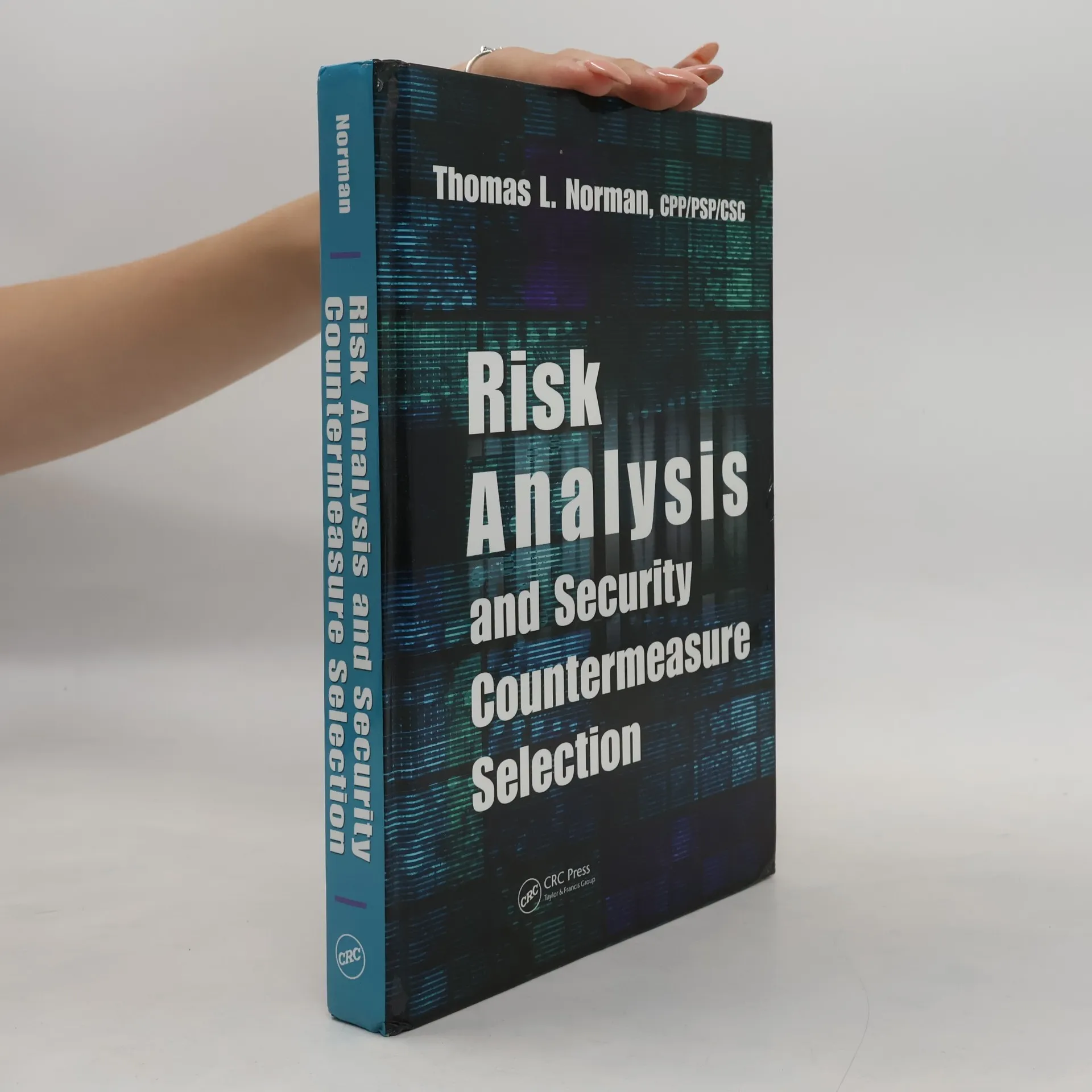
Risk Analysis and Security Countermeasure Selection, Thomas L Norman
- Język

- Rok wydania
- 2010
- Oprawa
- (twarda),
- Stan książki
- Bardzo dobry
- Cena
- 191,79 zł
Metody płatności
Nikt jeszcze nie ocenił.
- Tytuł
- Risk Analysis and Security Countermeasure Selection
- Język
- angielski
- Autorzy
- Thomas L Norman
- Wydawca
- CRC Press
- Rok wydania
- 2010
- Oprawa
- twarda
- Liczba stron
- 422
- ISBN10
- 1420078704
- ISBN13
- 9781420078701
- Seria
- Kategorie
- Opis
- When conducted properly, risk analysis enlightens management, helping prioritize cost-effective actions. Conversely, poor analysis leads to vague programs lacking clear direction and measurable metrics. While information on risk analysis is abundant, few resources explain this complex subject with such clarity, particularly focusing on critical thinking's application. This comprehensive resource details the risk analysis process in accessible language, guiding readers from basic principles to complex evaluations of countermeasures from a cost-effectiveness perspective. It covers DHS-approved risk assessment methods, including CARVER, API/NPRA, RAMCAP, and Sandia methodologies, through step-by-step explanations. The text illustrates the five core principles of the risk analysis lifecycle—assets, threats, vulnerabilities, risks, and countermeasures—using numerous case studies. Additionally, it provides a user-friendly, adaptable graphic risk analysis tool applicable in both public and private sectors, compatible with all DHS-approved methods. This guide equips readers with the necessary tools and insights to analyze risks effectively and secure facilities across various industries, including critical infrastructure in chemical, transportation, energy, telecommunications, and public health sectors.