

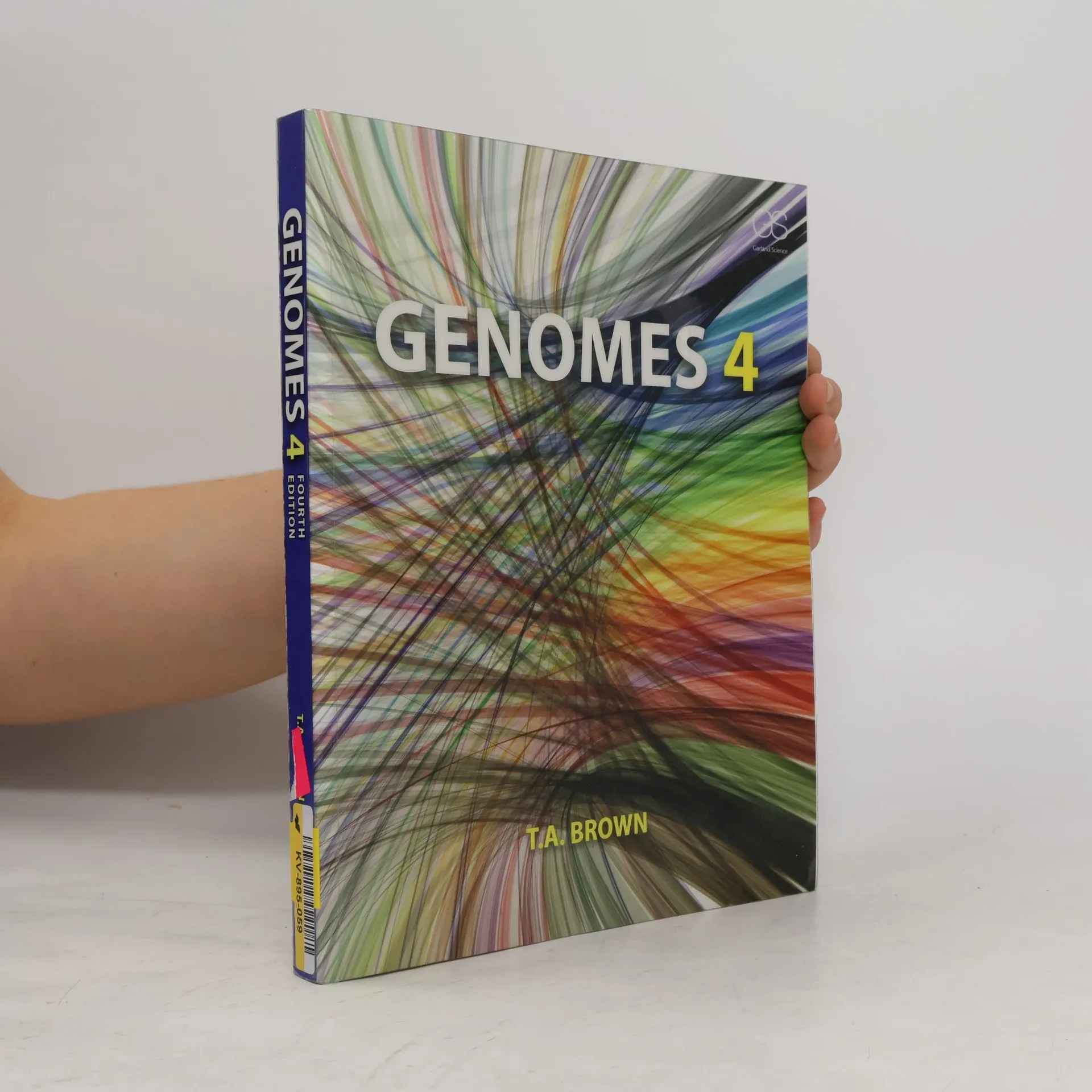

Więcej o książce
Genomes 4 has been thoroughly revised and updated, serving as a modern textbook on genomes and their investigation. The structure follows a logical progression: techniques, genome anatomies, functions, and evolution. It encompasses the genomes of various organisms, including viruses, bacteria, fungi, plants, animals, and humans. Genome sequencing and assembly methods have been extensively revised, featuring surveys of key genome projects such as those for humans, Neanderthals, giant pandas, and barley. The text emphasizes genome annotation with a focus on genome-wide RNA mapping, alongside CRISPR-Cas 9 and GWAS methods for determining gene function. This foundational knowledge supports three chapters on the main genome types: eukaryotic, prokaryotic (including organelles), and viral (including mobile genetic elements). The discussion on genome expression and replication is comprehensive, addressing DNA packaging, epigenome modifications, non-coding RNAs, and regulatory sequences. Applications of transcriptome analysis, metabolomics, and systems biology are also included. The final chapter explores genome evolution, particularly the epigenome's evolution and its implications for human evolution and plant breeding. Each chapter features short-answer questions, in-depth problems, and annotated further reading, along with an extensive glossary, making it an ideal resource for upper-level courses on genomes and genomics.
Zakup książki
Genomes: Fourth Edition, Terence A. Brown
- Język

- Rok wydania
- 2017
- Oprawa
- (miękka),
- Stan książki
- Uszkodzony
- Cena
- 85,58 zł
Metody płatności
Nikt jeszcze nie ocenił.
- Tytuł
- Genomes: Fourth Edition
- Język
- angielski
- Autorzy
- Terence A. Brown
- Wydawca
- Garland Science
- Rok wydania
- 2017
- Oprawa
- miękka
- Liczba stron
- 524
- ISBN10
- 0815345089
- ISBN13
- 9780815345084
- Seria
- Opis
- Genomes 4 has been thoroughly revised and updated, serving as a modern textbook on genomes and their investigation. The structure follows a logical progression: techniques, genome anatomies, functions, and evolution. It encompasses the genomes of various organisms, including viruses, bacteria, fungi, plants, animals, and humans. Genome sequencing and assembly methods have been extensively revised, featuring surveys of key genome projects such as those for humans, Neanderthals, giant pandas, and barley. The text emphasizes genome annotation with a focus on genome-wide RNA mapping, alongside CRISPR-Cas 9 and GWAS methods for determining gene function. This foundational knowledge supports three chapters on the main genome types: eukaryotic, prokaryotic (including organelles), and viral (including mobile genetic elements). The discussion on genome expression and replication is comprehensive, addressing DNA packaging, epigenome modifications, non-coding RNAs, and regulatory sequences. Applications of transcriptome analysis, metabolomics, and systems biology are also included. The final chapter explores genome evolution, particularly the epigenome's evolution and its implications for human evolution and plant breeding. Each chapter features short-answer questions, in-depth problems, and annotated further reading, along with an extensive glossary, making it an ideal resource for upper-level courses on genomes and genomics.