



Więcej o książce
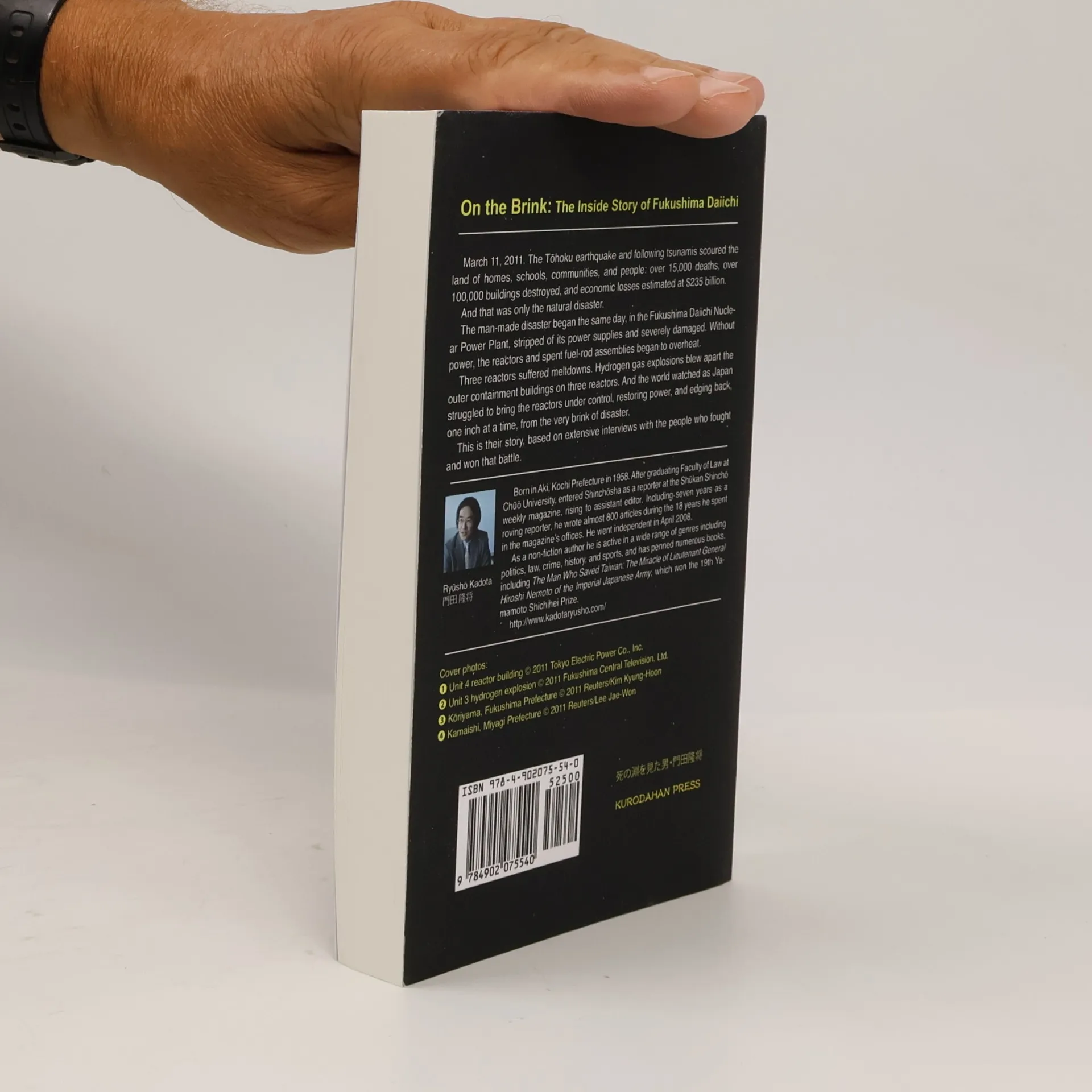
On March 11, 2011, the Tōhoku earthquake struck shortly before three in the afternoon, unleashing devastating force. The earthquake was followed by a tsunami that reached heights of 40 meters, sweeping 10 kilometers inland and obliterating homes, schools, and entire communities. The aftermath resulted in over 15,000 deaths, the destruction of over 100,000 buildings, and economic losses estimated at $235 billion by the World Bank. However, the disaster did not end there. The tsunami breached the seawall of the Fukushima Daiichi Nuclear Power Plant, flooding the facility and crippling its emergency power generators. This left the reactors and spent fuel-rod assemblies vulnerable to overheating. Three reactors experienced meltdowns, and hydrogen gas explosions compromised the outer containment buildings. The world watched as Japan fought to regain control of the situation. Despite facing additional natural and manmade challenges, the dedicated men and women at the plant worked tirelessly to stabilize the reactors, restore power, and avert a greater catastrophe. This account is based on extensive interviews with those who battled the crisis, particularly Masao Yoshida, who inspired his team to persevere. It reveals the challenges they faced, the resources they utilized, and the decisions they made in their struggle against disaster.
Zakup książki
On the Brink, Ryūshō Kadota, Simon Varnam, Akira Tokuhiro
- Język

- Rok wydania
- 2014
- Oprawa
- (miękka)
Metody płatności
Nikt jeszcze nie ocenił.
- Tytuł
- On the Brink
- Podtytuł
- The Inside Story of Fukushima Daiichi
- Język
- angielski
- Autorzy
- Ryūshō Kadota, Simon Varnam, Akira Tokuhiro
- Wydawca
- Kurodahan Press
- Rok wydania
- 2014
- Oprawa
- miękka
- Liczba stron
- 287
- ISBN10
- 4902075547
- ISBN13
- 9784902075540
- Seria
- Kategorie
- Opis
- On March 11, 2011, the Tōhoku earthquake struck shortly before three in the afternoon, unleashing devastating force. The earthquake was followed by a tsunami that reached heights of 40 meters, sweeping 10 kilometers inland and obliterating homes, schools, and entire communities. The aftermath resulted in over 15,000 deaths, the destruction of over 100,000 buildings, and economic losses estimated at $235 billion by the World Bank. However, the disaster did not end there. The tsunami breached the seawall of the Fukushima Daiichi Nuclear Power Plant, flooding the facility and crippling its emergency power generators. This left the reactors and spent fuel-rod assemblies vulnerable to overheating. Three reactors experienced meltdowns, and hydrogen gas explosions compromised the outer containment buildings. The world watched as Japan fought to regain control of the situation. Despite facing additional natural and manmade challenges, the dedicated men and women at the plant worked tirelessly to stabilize the reactors, restore power, and avert a greater catastrophe. This account is based on extensive interviews with those who battled the crisis, particularly Masao Yoshida, who inspired his team to persevere. It reveals the challenges they faced, the resources they utilized, and the decisions they made in their struggle against disaster.