


Więcej o książce
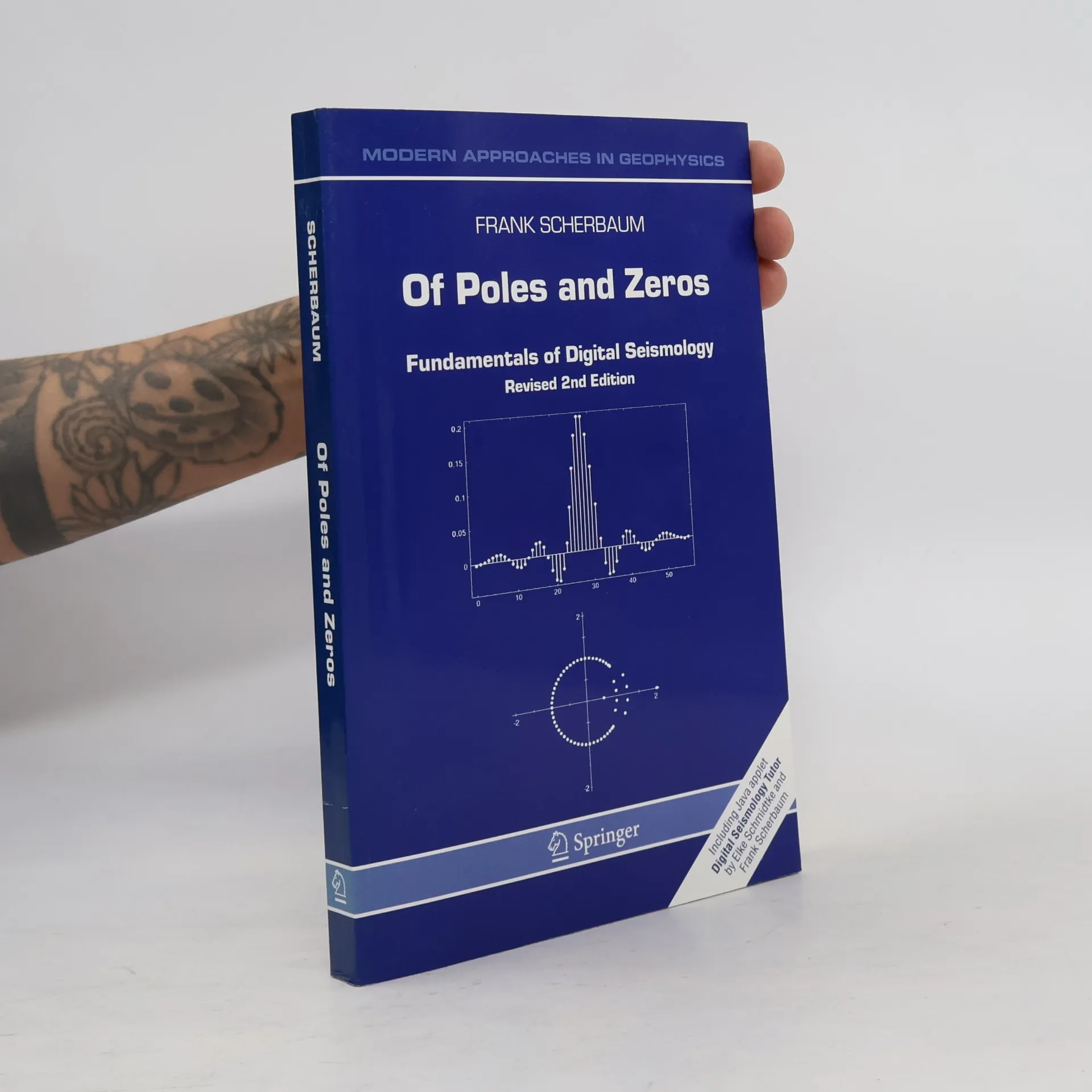
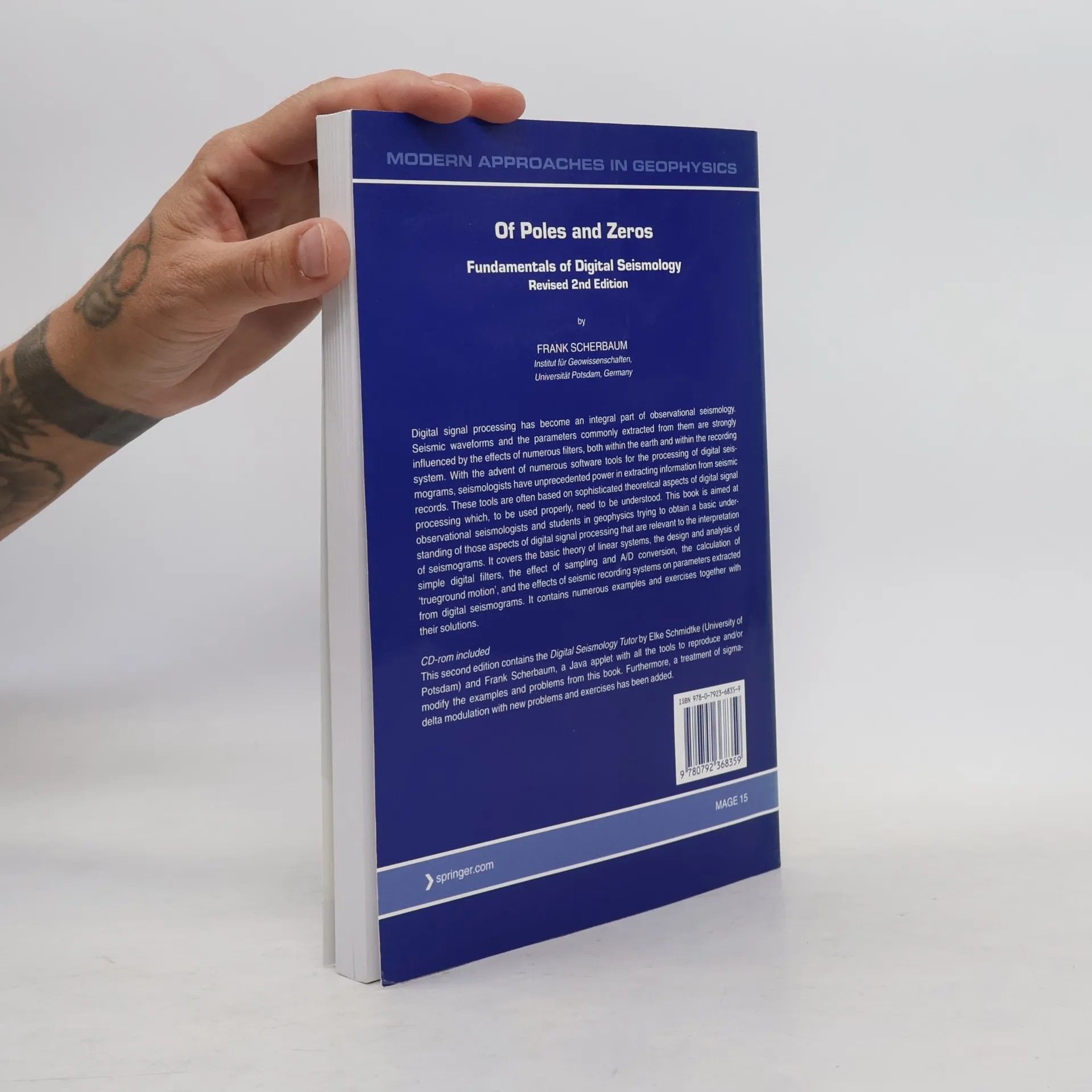
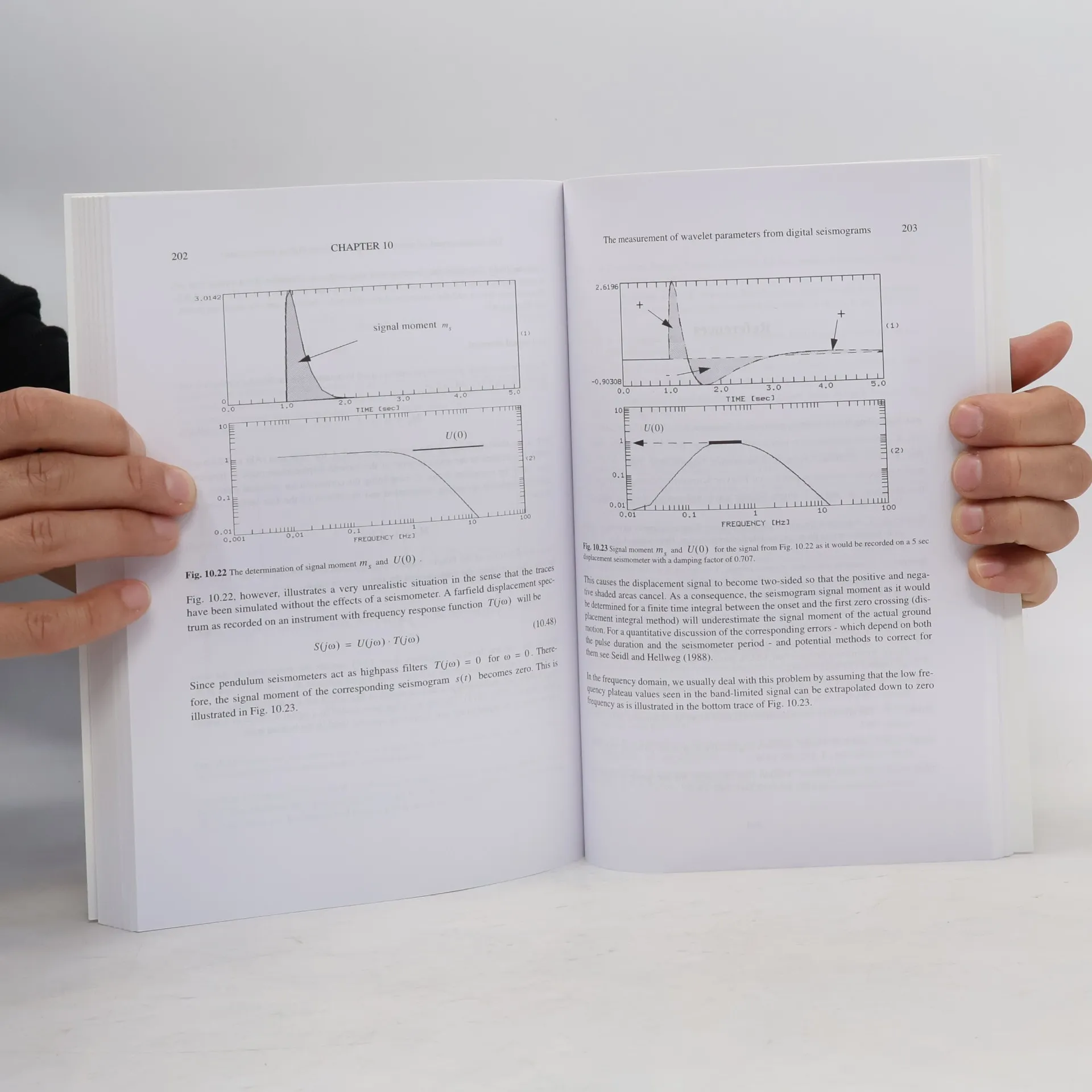
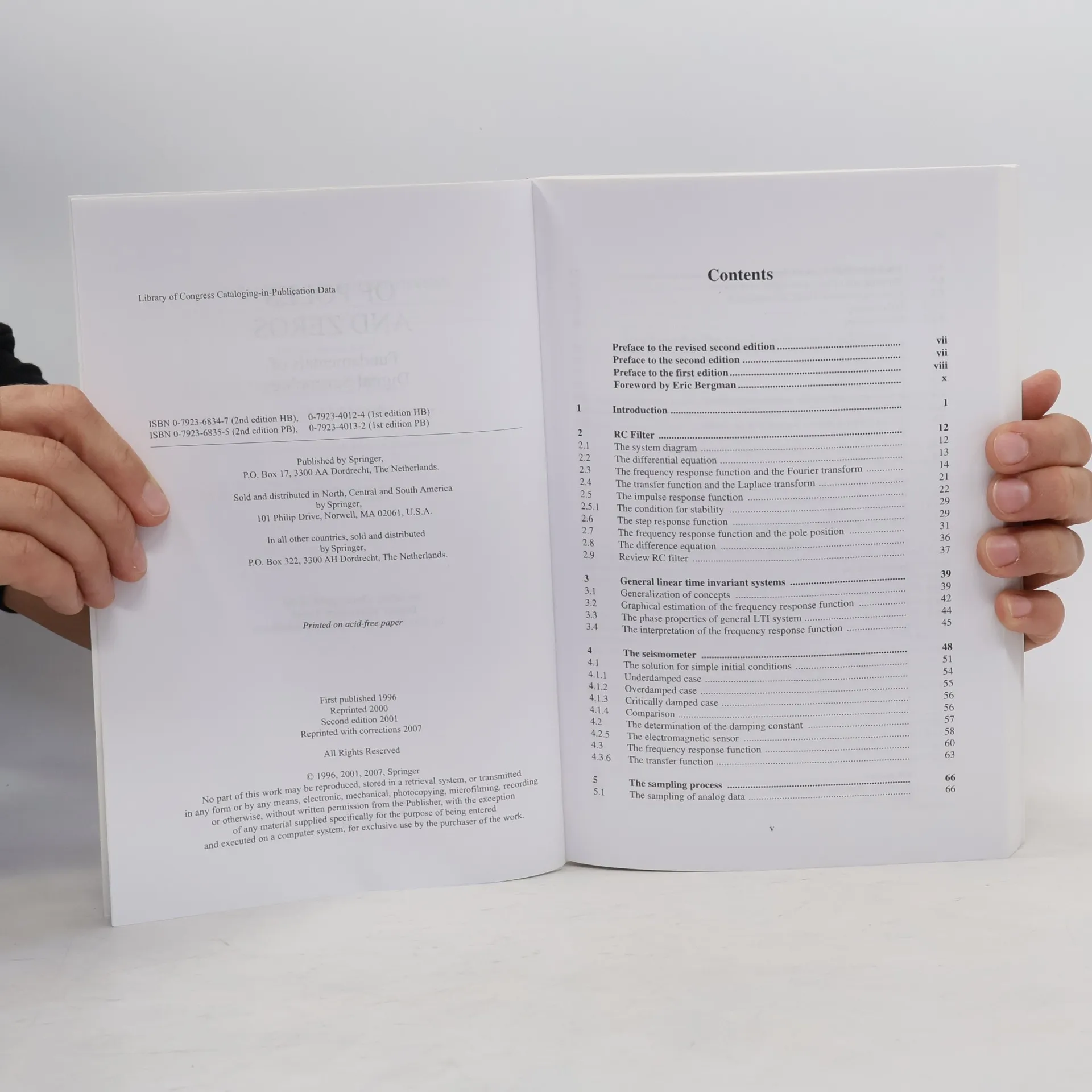
Digital signal processing is essential in observational seismology, significantly impacting seismic waveforms and the parameters derived from them due to various filters present in both the earth and recording systems. With the emergence of advanced software tools for processing digital seismograms, seismologists can now extract information from seismic records more effectively. However, to utilize these tools appropriately, a solid understanding of the theoretical foundations of digital signal processing is necessary. This resource is designed for observational seismologists and geophysics students seeking a fundamental grasp of the digital signal processing principles relevant to seismogram interpretation. It addresses the theory of linear systems, the design and analysis of digital filters, the implications of sampling and A/D conversion, the computation of 'true ground motion,' and the influence of seismic recording systems on the parameters derived from digital seismograms. The book includes numerous examples and exercises with solutions. The second edition features the Digital Seismology Tutor by Elke Schmidtke and Frank Scherbaum, a Java applet that allows users to reproduce or modify examples and problems, along with new content on sigma-delta modulation, complete with additional problems and exercises.
Zakup książki
Modern Approaches in Geophysics - 15: Of Poles and Zeros, Frank Scherbaum, Elke Schmidtke
- Język

- Rok wydania
- 2007
- Oprawa
- (miękka),
- Stan książki
- Uszkodzony
- Cena
- 279,99 zł
Metody płatności
Nikt jeszcze nie ocenił.
- Tytuł
- Modern Approaches in Geophysics - 15: Of Poles and Zeros
- Podtytuł
- Fundamentals of Digital Seismology - Revised 2nd Edition
- Język
- angielski
- Autorzy
- Frank Scherbaum, Elke Schmidtke
- Wydawca
- Springer
- Rok wydania
- 2007
- Oprawa
- miękka
- Liczba stron
- 280
- ISBN10
- 0792368355
- ISBN13
- 9780792368359
- Seria
- Kategorie
- Tagi
- Nauka, Technologia, Geologia, Elektronika, Sejsmologia
- Opis
- Digital signal processing is essential in observational seismology, significantly impacting seismic waveforms and the parameters derived from them due to various filters present in both the earth and recording systems. With the emergence of advanced software tools for processing digital seismograms, seismologists can now extract information from seismic records more effectively. However, to utilize these tools appropriately, a solid understanding of the theoretical foundations of digital signal processing is necessary. This resource is designed for observational seismologists and geophysics students seeking a fundamental grasp of the digital signal processing principles relevant to seismogram interpretation. It addresses the theory of linear systems, the design and analysis of digital filters, the implications of sampling and A/D conversion, the computation of 'true ground motion,' and the influence of seismic recording systems on the parameters derived from digital seismograms. The book includes numerous examples and exercises with solutions. The second edition features the Digital Seismology Tutor by Elke Schmidtke and Frank Scherbaum, a Java applet that allows users to reproduce or modify examples and problems, along with new content on sigma-delta modulation, complete with additional problems and exercises.