

Więcej o książce
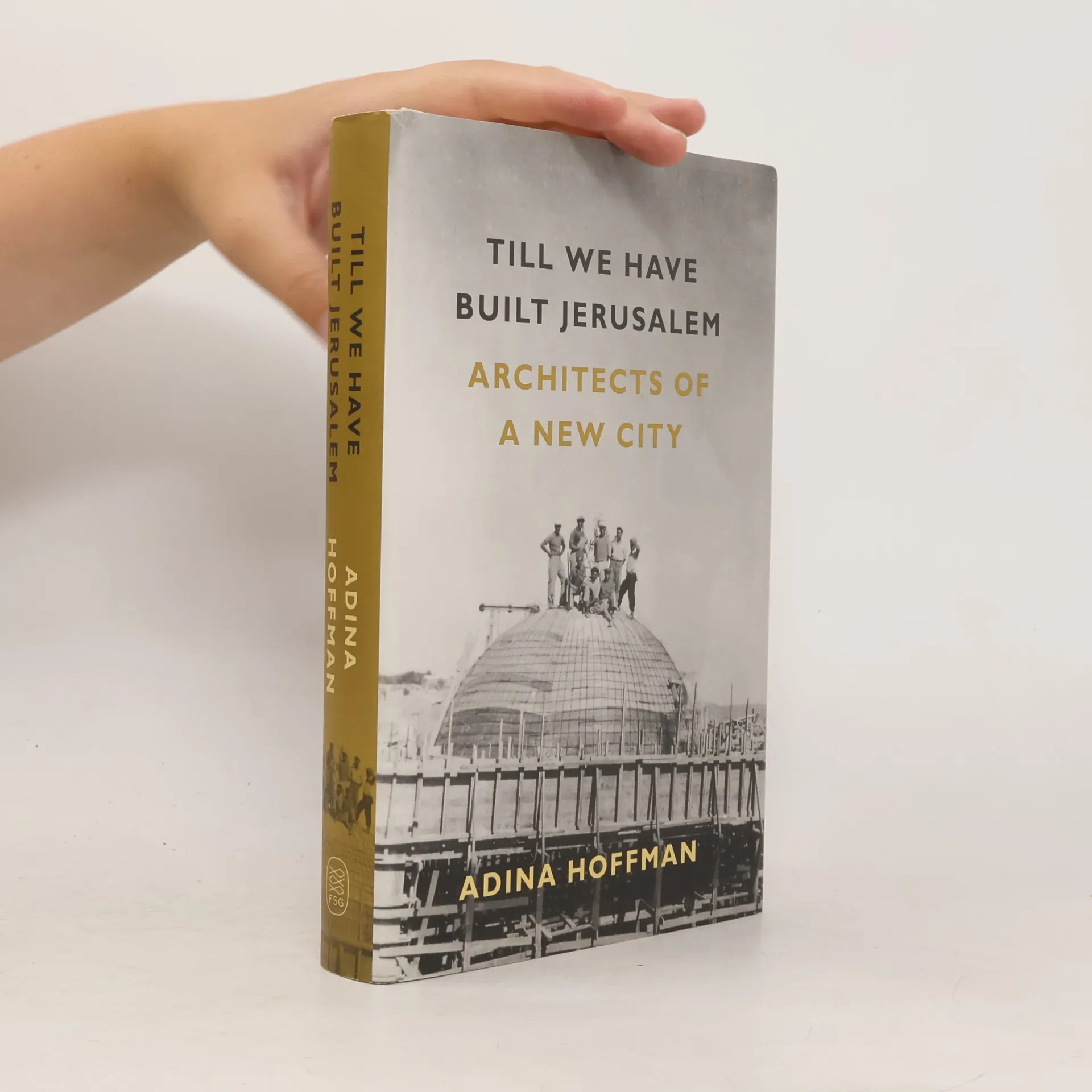
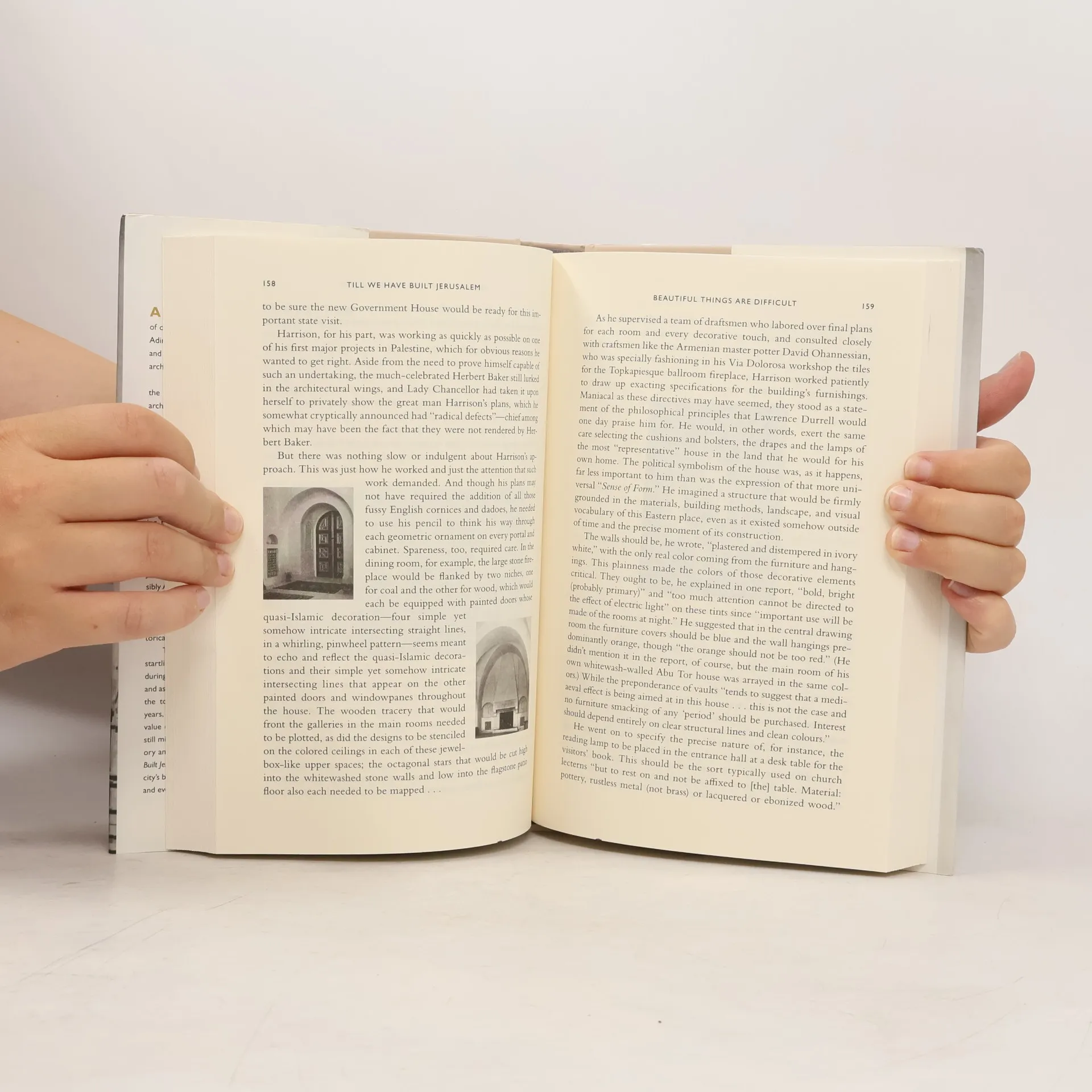
A biographical excavation of one of the world’s great, troubled cities, this work offers a gripping journey into the lives of three architects who shaped modern Jerusalem. It begins with Erich Mendelsohn, a celebrated Berlin architect and refugee from Hitler’s Germany, who arrives in 1934 and confronts a complex Middle Eastern reality. Next, we encounter Austen St. Barbe Harrison, Palestine’s chief government architect from 1922 to 1937. Deeply influenced by Byzantine and Islamic architectural traditions, he navigates the challenges of British rule while remaining the “most private of public servants.” In the final section, the author explores today’s battered streets of Jerusalem, searching for traces of the once-prominent architect Spyro Houris. Though now forgotten, Houris’s grand buildings, adorned with Armenian tiles, stand as ghostly reminders of the city’s cultural fluidity. This beautifully written work reflects on memory and forgetting, place and displacement, uncovering the layers of a city’s buried history while questioning the universal themes of foreignness and belonging.
Zakup książki
Till We Have Built Jerusalem, Adina Hoffman
- Język

- Rok wydania
- 2016
- Oprawa
- (twarda),
- Stan książki
- Dobry
- Cena
- 39,39 zł
Metody płatności
Nikt jeszcze nie ocenił.
- Tytuł
- Till We Have Built Jerusalem
- Podtytuł
- Architects of a New City
- Język
- angielski
- Autorzy
- Adina Hoffman
- Wydawca
- Farrar, Straus and Giroux
- Rok wydania
- 2016
- Oprawa
- twarda
- Liczba stron
- 352
- ISBN10
- 0374289107
- ISBN13
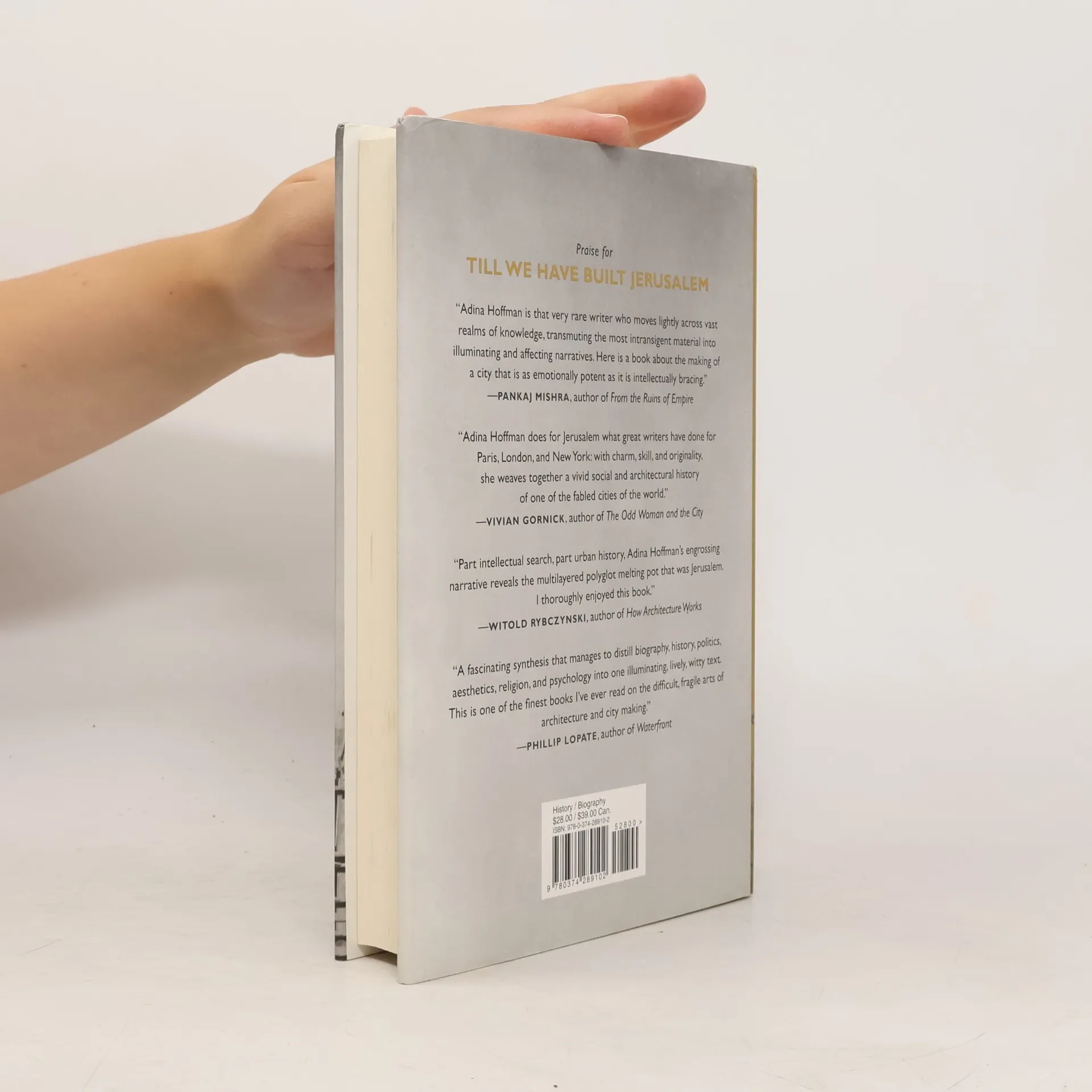
- 9780374289102
- Seria
- Tagi
- Tematy historyczne, Architektura, USA, XX wiek, Literatura Żydowska, Izrael, Modernizm, Palestyna, Jerozolima, Historia architektury, Architekci
- Opis
- A biographical excavation of one of the world’s great, troubled cities, this work offers a gripping journey into the lives of three architects who shaped modern Jerusalem. It begins with Erich Mendelsohn, a celebrated Berlin architect and refugee from Hitler’s Germany, who arrives in 1934 and confronts a complex Middle Eastern reality. Next, we encounter Austen St. Barbe Harrison, Palestine’s chief government architect from 1922 to 1937. Deeply influenced by Byzantine and Islamic architectural traditions, he navigates the challenges of British rule while remaining the “most private of public servants.” In the final section, the author explores today’s battered streets of Jerusalem, searching for traces of the once-prominent architect Spyro Houris. Though now forgotten, Houris’s grand buildings, adorned with Armenian tiles, stand as ghostly reminders of the city’s cultural fluidity. This beautifully written work reflects on memory and forgetting, place and displacement, uncovering the layers of a city’s buried history while questioning the universal themes of foreignness and belonging.